
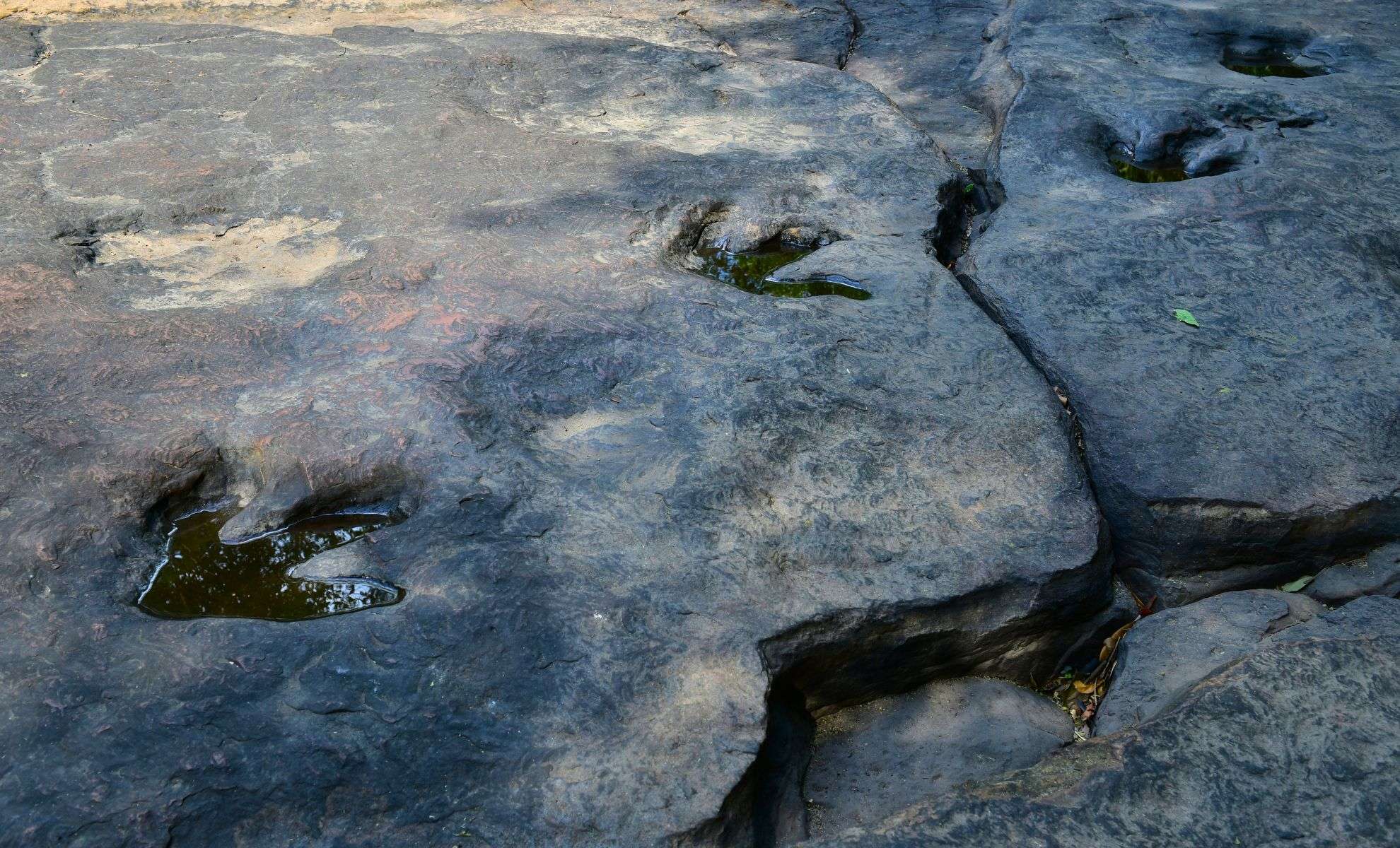
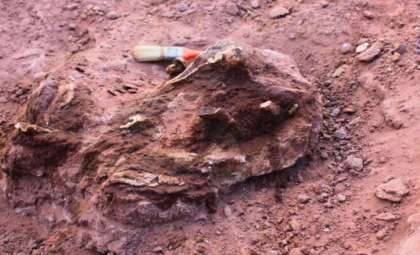
Discoveries like this are rare: a gravel pit has unexpectedly turned into a treasure trove for paleontologists. A new investigation has uncovered an extensive and remarkably intact series of dinosaur footprints at Dewars Farm Quarry in Oxfordshire.
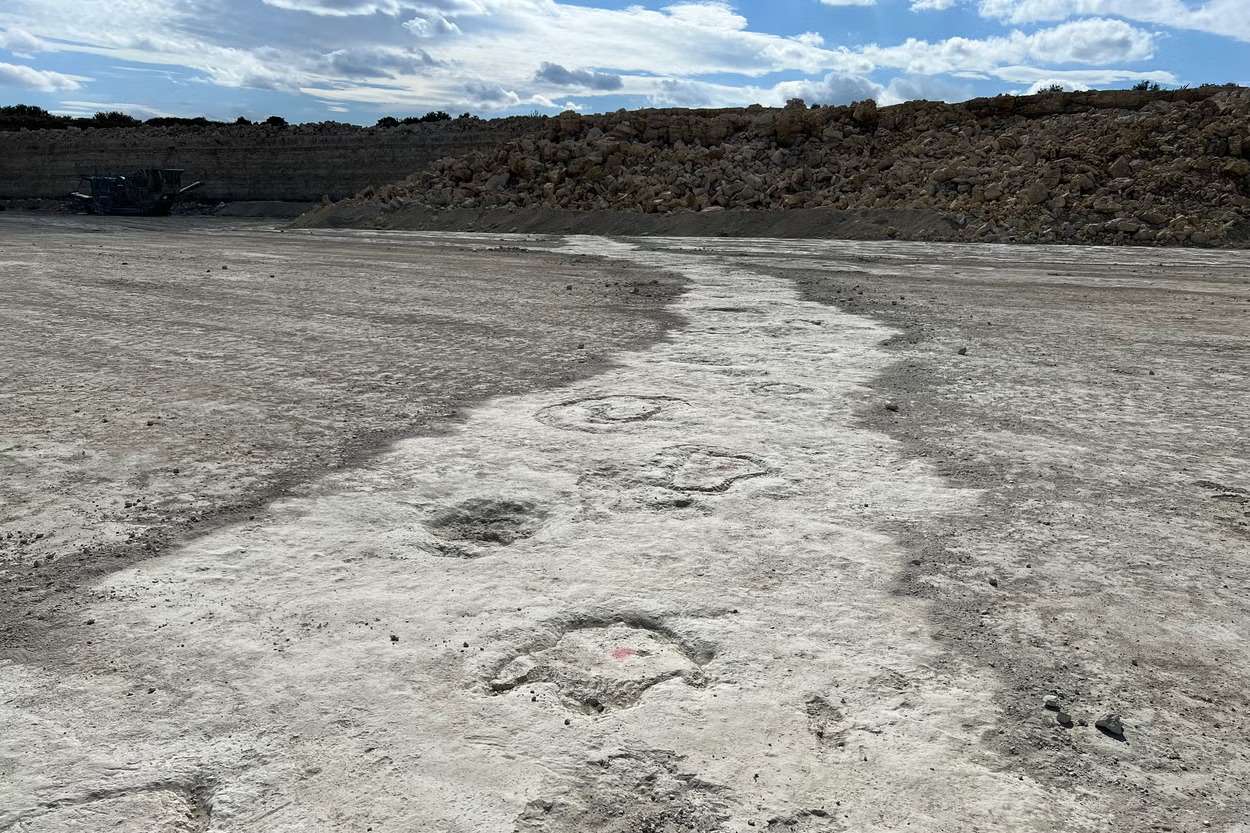
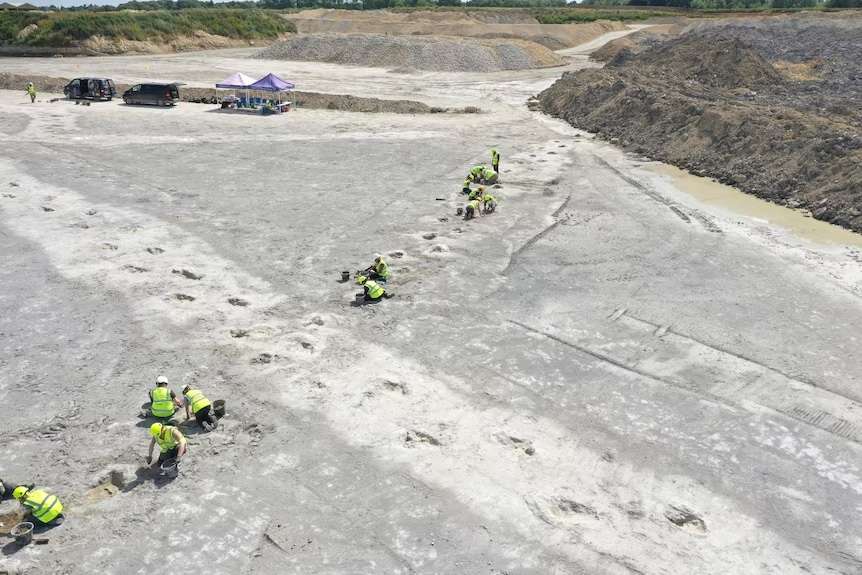
The study highlights a 220-meter-long pathway—now identified as Europe’s lengthiest dinosaur trackway—showcasing almost 100 separate impressions left by two distinct dinosaur species during the Middle Jurassic era, roughly 165 to 171 million years ago.
Massive Footprints From a Distant Era
The University of Oxford’s recent publication dated October 14, 2025 explains that most footprints belong to sauropods, the giant, long-necked herbivores that roamed during the Jurassic period.

Scientists attribute these track marks to Cetiosaurus, a dinosaur species that could reach lengths of up to 16 meters and mass around 10 tonnes—heavier than a city bus—as it traversed the muddy terrain.
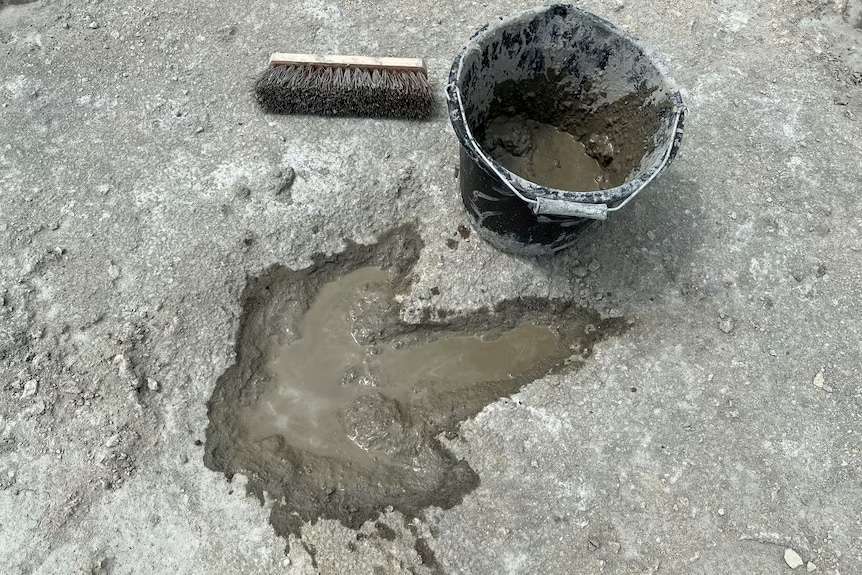
Intriguingly, not all tracks match the sauropod form. Some display sharper, clawed prints, signifying predators. These less common markings are believed to have been left by megalosaurs, formidable carnivorous dinosaurs that likely trailed the herbivores along the muddy flats.
“It’s so rare to see something like this in the UK,” said Kirsty Edgar, a palaeontologist at the University of Birmingham, in an interview with The Independent. “As most of our dinosaur track sites are small coastal exposures. As the quarry continues to expand, so do the dinosaur tracks, providing an increasingly rich snapshot into the life and times of these amazing animals.”
A Glimpse of Island Life from the Past
During that period, Oxfordshire was vastly different from today’s pastoral landscapes. It existed as a series of islands scattered across a warm, shallow sea. Experts liken it to modern-day tropical archipelagos like the Bahamas or Florida Keys, marked by tidal activity and low-lying landmasses. Dinosaurs would have crossed the exposed mudflats at low tide, leaving deep impressions that later became fossilized.
The research details how the sauropods moved steadily at about 4 to 5 miles per hour with a deliberate stride. The consistent spacing of tracks suggests they were traveling in a group, possibly migrating herds crossing a tidal plain. The preservation of these prints in such clear formations is a geological rarity.
A Perfectly Preserved Moment from the Middle Jurassic
The scarcity of Middle Jurassic fossils in the UK makes this discovery particularly significant. While no bones or dramatic skeletons were found, the footprints themselves provide invaluable clues. They reveal not only which dinosaur species shared the habitat but also illuminate their behavior and movement patterns.
The scene likely wasn’t a cinematic chase or confrontation but a typical day in prehistoric times: herbivores pacing the wet terrain, with predators lurking at some distance—both leaving imprints that would last millions of years.
For now, however, the location remains closed to the public. To protect these sensitive fossilized tracks, researchers are carefully documenting every detail before covering the site again to guard against erosion and damage. Though access is currently restricted, discussions about possible future digs suggest visitors might eventually glimpse these ancient pathways.
- Categories:
- News




0 comments
Sign in to Comment