
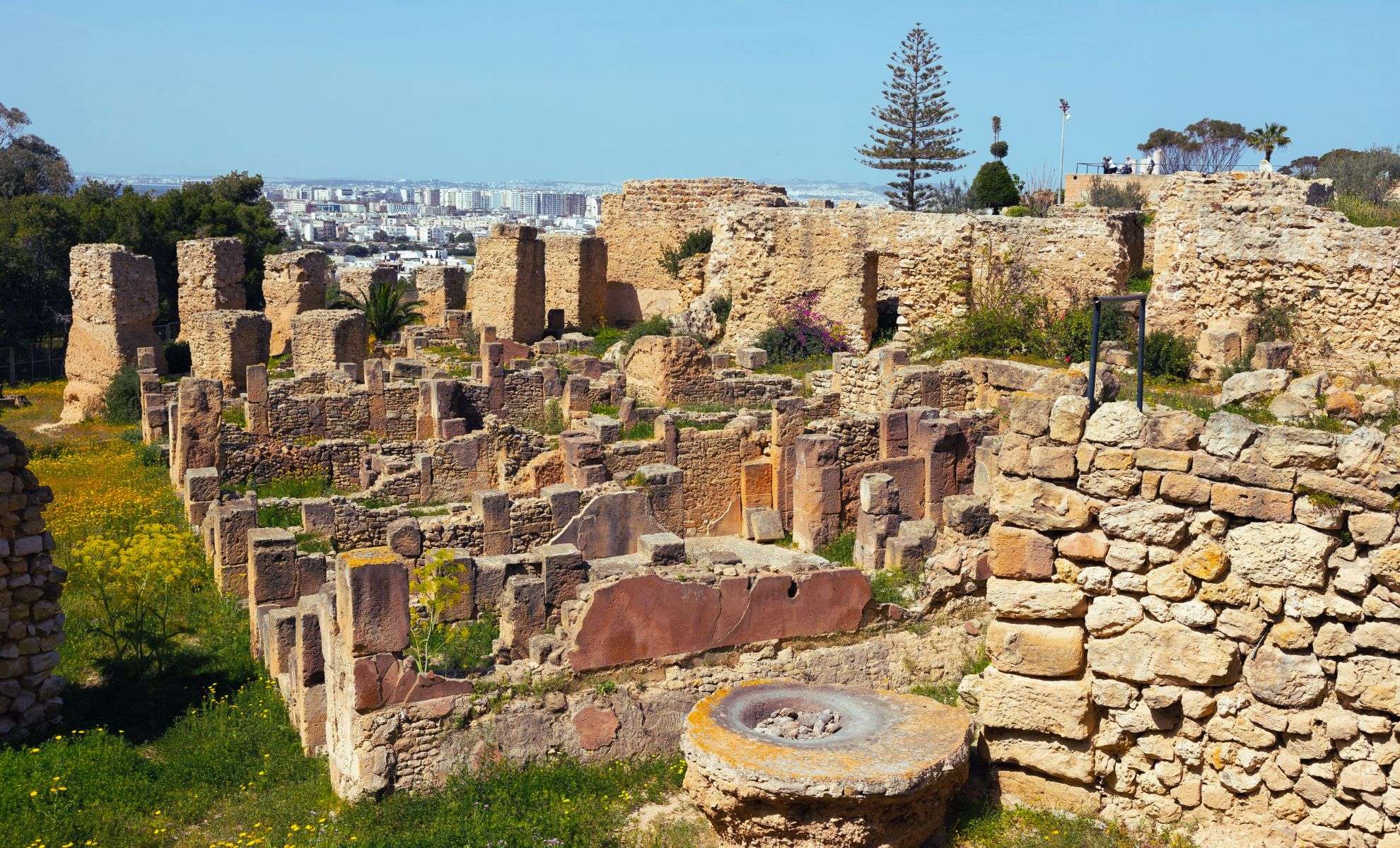
Researchers have initiated an in-depth investigation of a recently unearthed Roman settlement located just south of Great Staunton in England. These discoveries, initially announced in 2024 by AOC Archaeology on behalf of East Park Energy, were detailed in a study featured by HeritageDaily in May 2025.
The sprawling site extends over 31 hectares and offers clear evidence of a well-structured community engaged in both residential living and industrial production during the Roman era in Britain.
Revealing the Ancient Roman Settlement Concealed for Ages
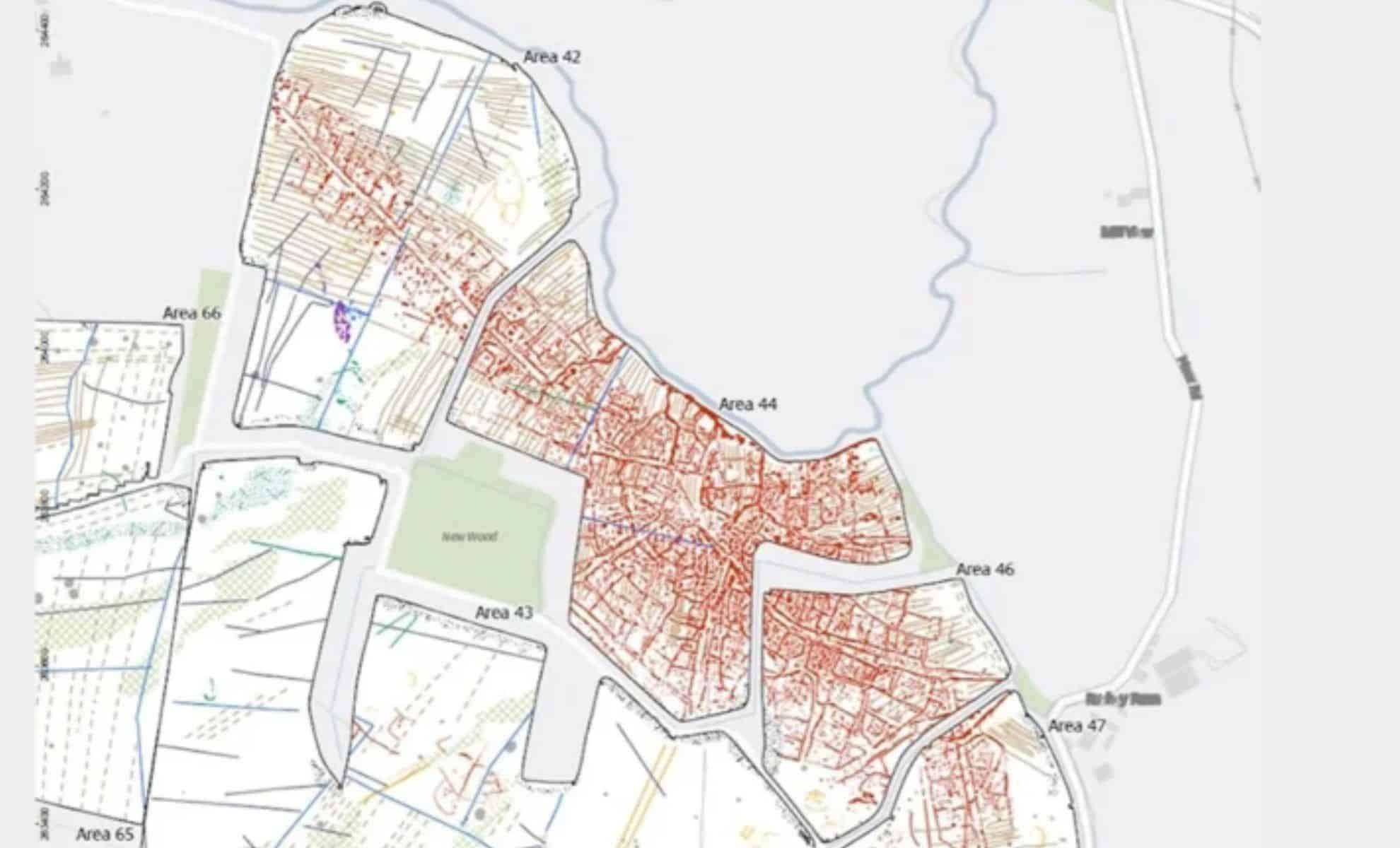
Advanced aerial imaging alongside sophisticated geophysical techniques have exposed an intricate pattern of streets and buildings beneath the ground. The town features a curved layout that may imply origins as a pre-Roman village later transformed under Roman influence, a hypothesis that awaits additional confirmation.

Historical cropmark data stored in the Cambridgeshire Historic Environment Record hinted at the existence of structures, but recent fieldwork has identified key components including pottery kilns, metalworking sites, a villa complex, as well as signs of substantial domestic and industrial activity. These discoveries highlight the settlement’s dual function as a place of habitation and manufacturing hub.
The Town’s Dominance Over Ancient Commercial Routes
Historic England emphasizes the site’s advantageous location adjacent to a principal Roman road connecting Dorchester-on-Thames to Alconbury Weald. “The settlement is situated near a significant Roman road running from Dorchester-on-Thames to Alconbury Weald, which passes to the south of the town in a southeast to northwest direction,” they remarked.
This thoroughfare, combined with proximity to the River Kym, would have played a vital role in communication and transportation, facilitating efficient movement of goods and residents alike.
Remarkable Roman Artifacts Offering New Insights
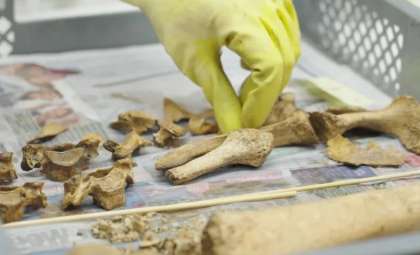
Excavations conducted by AOC Archaeology have brought to light a diverse range of relics such as pottery fragments, notably including prestigious Samian Ware, along with animal bones, shards of glass, copper alloy items, iron tools, coins, and shells.
Recognizing the importance of these finds, East Park Energy has moved to secure heritage protection, applying to have the area designated as a scheduled monument.
The developer has since revised its solar farm proposal, stating, “As a responsible organization, we have adapted our plans to safeguard this archaeological site. Consequently, during our forthcoming statutory consultation, we will confirm that no solar panels will be installed on any land area now designated as scheduled.”
After a winter break, excavation recommenced with trial trenches measuring roughly 50 meters in length, intended to probe deeper into the subsurface structures. Fieldwork is expected to continue through to August 2025.
Implications for Understanding Roman Britain
The amalgamation of residential and industrial remains points to a complex and multifaceted community life. Moreover, the potential transformation from a native pre-Roman settlement into a Romanized town provides valuable insight into the social and cultural dynamics during Roman rule.
Ongoing and future digs may shed light on how local populations adapted and integrated with Roman occupiers, illustrating nuanced processes of cultural assimilation and change. Protecting this site as a scheduled monument guarantees lasting opportunities for research and preserves a crucial glimpse into Roman Britain’s heritage.
- Categories:
- News









0 comments
Sign in to Comment