
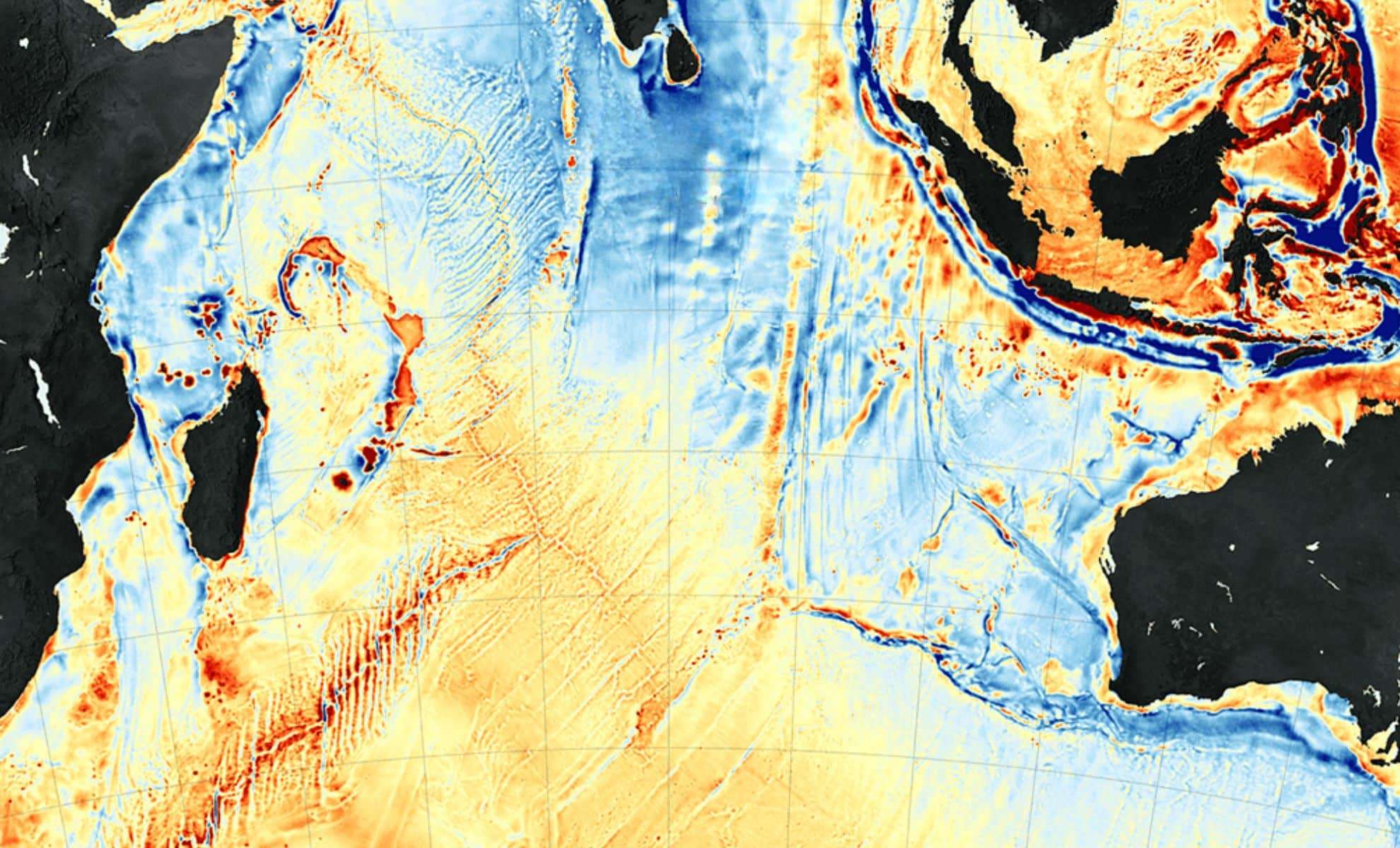
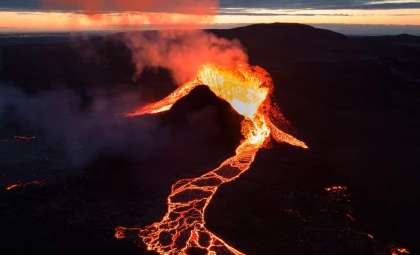
Researchers have uncovered a startling development in the Indian Ocean’s undersea landscape. A recent publication in Nature Communications reveals that the Kerguelen hotspot, the volcanic source responsible for forming the Ninetyeast Ridge, did not remain fixed as previously thought. Instead, it has migrated over a considerable distance over millions of years, challenging existing views about the Earth’s inner workings.
The Ninetyeast Ridge: Unraveling a Volcanic Enigma
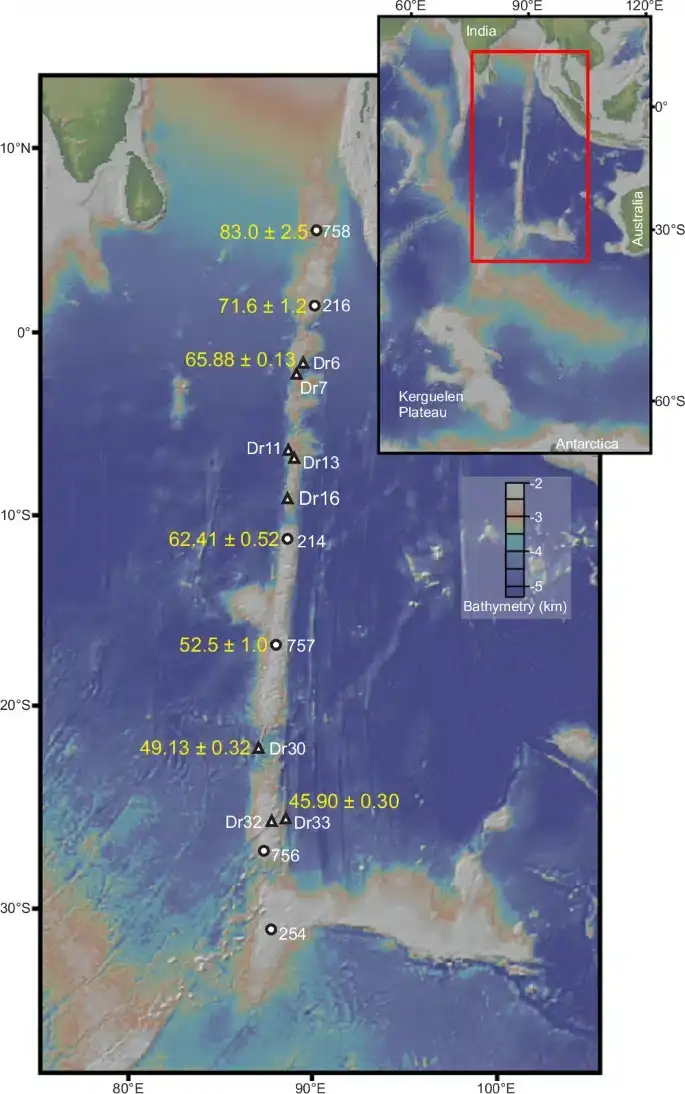
Extending for more than 5,000 kilometers along the bed of the Indian Ocean, the Ninetyeast Ridge has traditionally exemplified a volcanic formation created by a stationary hotspot. As the Indian tectonic plate shifted northward, volcanic activity was thought to produce a consistent underwater mountain chain over time.
However, cutting-edge geochemical analyses and seismic data now indicate that the hotspot itself was moving, defying classical models.

“Hotspot mobility is widely believed to occur but remains difficult to demonstrate,” explained Dr. Hugo Olierook from Curtin University. “Unlike typical hotspots that hold steady within the mantle and leave trails as plates glide over them, this research shows the hotspot linked to the Ninetyeast Ridge moved laterally by hundreds of kilometers.”
Piecing Together the Hotspot’s Journey Through Time
Scientists employed argon-argon (⁴⁰Ar/³⁹Ar) dating, a precise radiometric method for determining the age of volcanic rocks, alongside seismic tomography techniques that generate detailed 3D images of the mantle, to chart the Kerguelen plume’s historical path.
The combined data pinpoint a shift in the hotspot’s trajectory around 35 million years ago, likely influenced by its proximity to the Indian–Antarctic spreading center.
The Impact of a Shifting Hotspot on Geological Models
For many years, stationary hotspots have served as crucial reference points for reconstructing the movement history of tectonic plates. The Ninetyeast Ridge formed one such cornerstone—until recent findings called this into question.
“Previous rough age guidelines for the Ninetyeast Ridge were fundamental to plate movement models,” noted Professor Fred Jourdan, a study co-author. “Our application of refined dating methods allows us to greatly improve these models and deepen understanding of past continental shifts.”
This discovery necessitates reevaluating the accuracy of hotspot-based tectonic reconstructions and suggests similar volcanic ridges in other oceans may also originate from mobile mantle sources.
Reconsidering Mantle Plume Behavior
The findings further illuminate mantle plume dynamics, challenging the long-standing idea that plumes ascend vertically from deep within the Earth. The Kerguelen plume’s lateral movement within the upper mantle hints at influences from mantle flow patterns, tectonic boundary interactions, or convection-driven deflection.
This evidence reinforces modern theories proposing that hotspots can gradually migrate, shaped by their geodynamic context. Such insights extend well beyond the Indian Ocean, informing our grasp of continental drift, mantle convection, and the long-term evolution of Earth’s surface.
- Categories:
- News




0 comments
Sign in to Comment