

An ancient gold figure, dating back two millennia, has surfaced, shedding light on the mysterious Tumaco-Tolita civilization.
Found near the Colombia-Ecuador border, this finely crafted object reflects the sophisticated artistry and traditions of a society that thrived along South America's northern Pacific coastline long before the emergence of contemporary empires.
The Tumaco-Tolita People: Renowned Goldsmiths of Their Era
The Tumaco-Tolita community, named after regions in Colombia and Ecuador, inhabited an environment rich in waterways, dense forests, and abundant gold resources. Flourishing between 200 B.C. and A.D. 400, they developed one of the most advanced metalworking traditions in pre-Columbian America.
Their mastery in shaping gold and platinum into intricate jewelry and ceremonial items continues to fascinate researchers. A prominent example of their craftsmanship is a gold figurine currently exhibited at New York City's Metropolitan Museum of Art.
A Detailed Gold Figure: Artistry and Symbolism in Precious Metal
Standing approximately 9 inches tall, the gold figure depicts a human form wearing a unique "elaborate nose ornament." This feature implies the figure’s connection to ceremonial functions beyond mere decoration.

Though the figurine is missing its feet, which were originally secured by gold wire, and no longer holds the items it once grasped, it still conveys considerable meaning. The nose ornament likely indicates the figure was part of a headdress used during important rituals, highlighting the Tumaco-Tolita's blend of artistic expression, ceremony, and identity.
Decoding the Gender and Role of the Figurine
Though thought to represent a female, the lack of typical feminine markers such as a skirt adds uncertainty to this interpretation.
In Tumaco-Tolita art, female depictions frequently include nipple details and skirts, but this figure diverges from those conventions. This ambiguity prompts further exploration into how gender was symbolized and comprehended in this ancient culture.
Insights into Tumaco-Tolita Social Structure
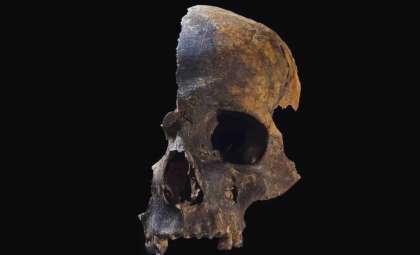
The figurine’s flattened skull is notable, possibly reflecting cranial deformation—a cultural practice of shaping infants’ heads to denote social rank. This suggests the figure likely represented an individual of elevated status.
Cranial deformation, along with other body modifications, served as a visual indicator of social standing. This gold artifact therefore offers a glimpse into the physical characteristics and societal hierarchy of the Tumaco-Tolita community.
The Decline of the Tumaco-Tolita Civilization
By around A.D. 500, the Tumaco-Tolita people had mostly vanished, with their settlements near the Cayapas River delta deserted. The exact causes remain unclear, though coastal depopulation appears central.
Despite their disappearance, some Tumaco-Tolita treasures persisted as family heirlooms. When Spanish conquistadors arrived in the 1500s, they observed Indigenous groups still adorned with gold and platinum objects.
Today, this figurine and other relics offer vital clues into the Tumaco-Tolita way of life. Their exquisite metalwork, ceremonial customs, and structured society continue to captivate archaeologists and historians.
- Categories:
- Science










0 comments
Sign in to Comment