
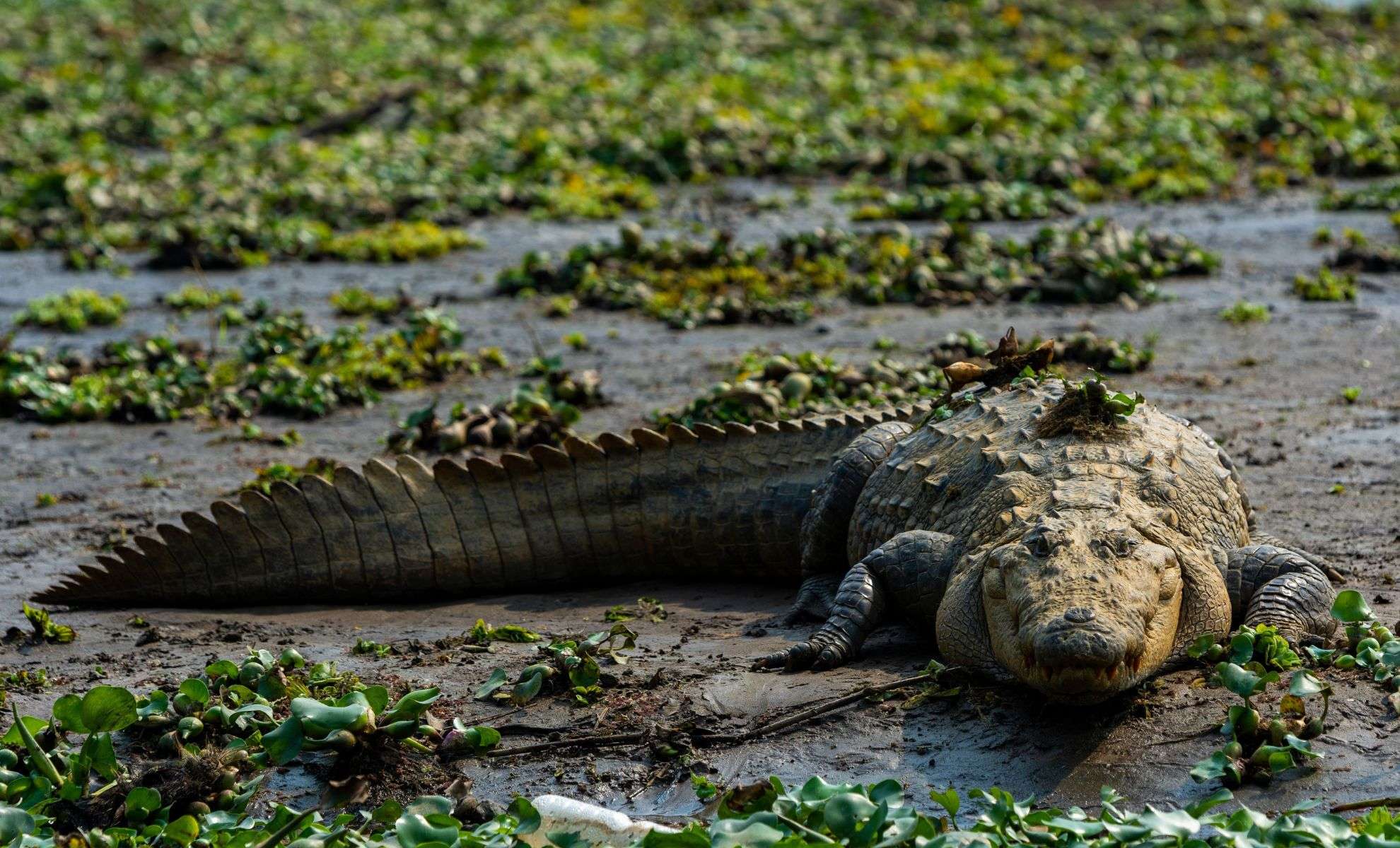
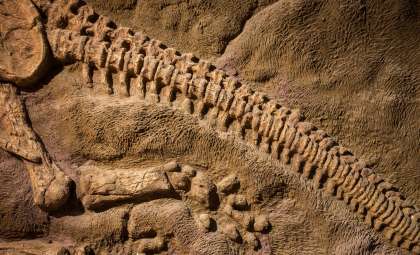
Discovered in Niger's Elrhaz Formation, the fossilized remains of Sarcosuchus imperator, famously known as the “SuperCroc”, were thoroughly examined in the early 2000s by paleontologist Paul Sereno and his team. Their research, documented on ScienceDirect and backed by expeditions sponsored by the University of Chicago and National Geographic Society, revealed one of the largest crocodilian species to have ever lived, dating back approximately 112 million years.
A Giant Predator from the Cretaceous Era
Sarcosuchus imperator, meaning “emperor flesh crocodile,” existed during the Early Cretaceous period in the region now known as northern Africa. Unlike contemporary crocodiles that seldom grow beyond 17 feet, Sarcosuchus could reach lengths up to 12 meters (39–40 feet) with a skull spanning over 1.8 meters (6 feet). This made it longer than today’s largest saltwater crocodiles and almost as lengthy as a standard school bus.
Its enormous jaws were lined with more than 100 conical teeth, optimized for gripping prey rather than tearing. This formidable size placed it at the apex of its ecosystem, likely hunting medium-sized dinosaurs and various creatures inhabiting its watery domain.

The Ancient Habitat: Flourishing Rivers Instead of Arid Wastelands
In stark contrast to the modern-day Sahara Desert, Sarcosuchus thrived in a verdant wetland environment characterized by expansive floodplains, river deltas, and freshwater bodies. Fossils of plants and animals from this time indicate a humid, thriving ecosystem.
During this period, other massive predators like Spinosaurus and Carcharodontosaurus coexisted here. The potential for territorial disputes or predator-prey dynamics between these giants continues to stimulate scientific discussion. This rich environment likely contributed to Sarcosuchus’s extraordinary size.
Biomechanics of a Prehistoric Apex Hunter
Weighing between an estimated 8 to 10 tons, Sarcosuchus may have delivered bite forces surpassing those of the notorious Tyrannosaurus rex. Fossils reveal a slight overbite and a distinctive bulla-like feature on its snout, possibly used for sound production or enhanced sensory perception.
Its hunting style resembled that of modern crocodiles: a sudden, powerful strike followed by the infamous “death roll” to subdue and dismember prey. Given its immense size, Sarcosuchus probably ambushed dinosaurs at water sources, leveraging stealth and brute strength.
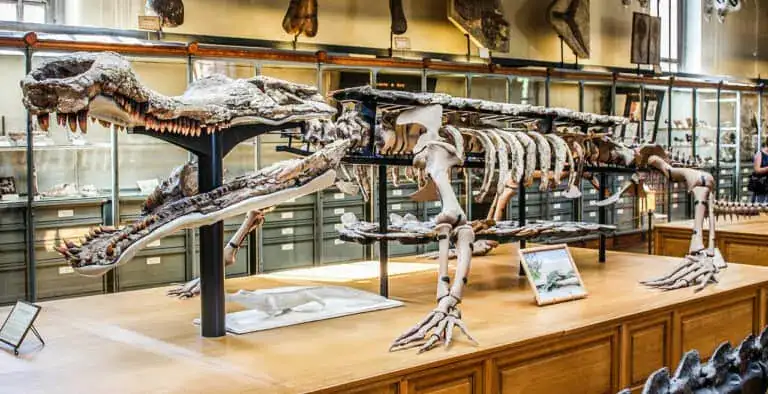
Bringing the Giant to Life: From Fragmented Bones to Detailed Models
Although the fossil evidence is incomplete, researchers have built high-definition 3D reconstructions of Sarcosuchus by employing allometric scaling and comparisons with living crocodilians. These models incorporate specific skull and limb adaptations unique to Sarcosuchus while drawing inspiration from the biomechanics of present-day relatives.
Exhibits at the National Geographic Society Museum and numerous natural history museums now feature life-sized replicas that continue to fascinate audiences and aid scientists in refining their understanding of this prehistoric titan.
Why Are Today’s Crocodilians So Much Smaller?
The absence of such colossal crocodiles today raises intriguing questions. Researchers believe a blend of ecological limitations, competitive pressures, and human activities have influenced their shrinking size. The Cretaceous period provided favorable conditions—warmer climates, richer habitats, and no human interference—that supported these giants.
Currently, factors like habitat destruction, expanding human populations, and genetic constraints likely inhibit modern crocodilians from attaining similar sizes. Moreover, the energetic demands of such large bodies may not be sustainable within today’s ecosystems.
- Categories:
- Science



0 comments
Sign in to Comment