
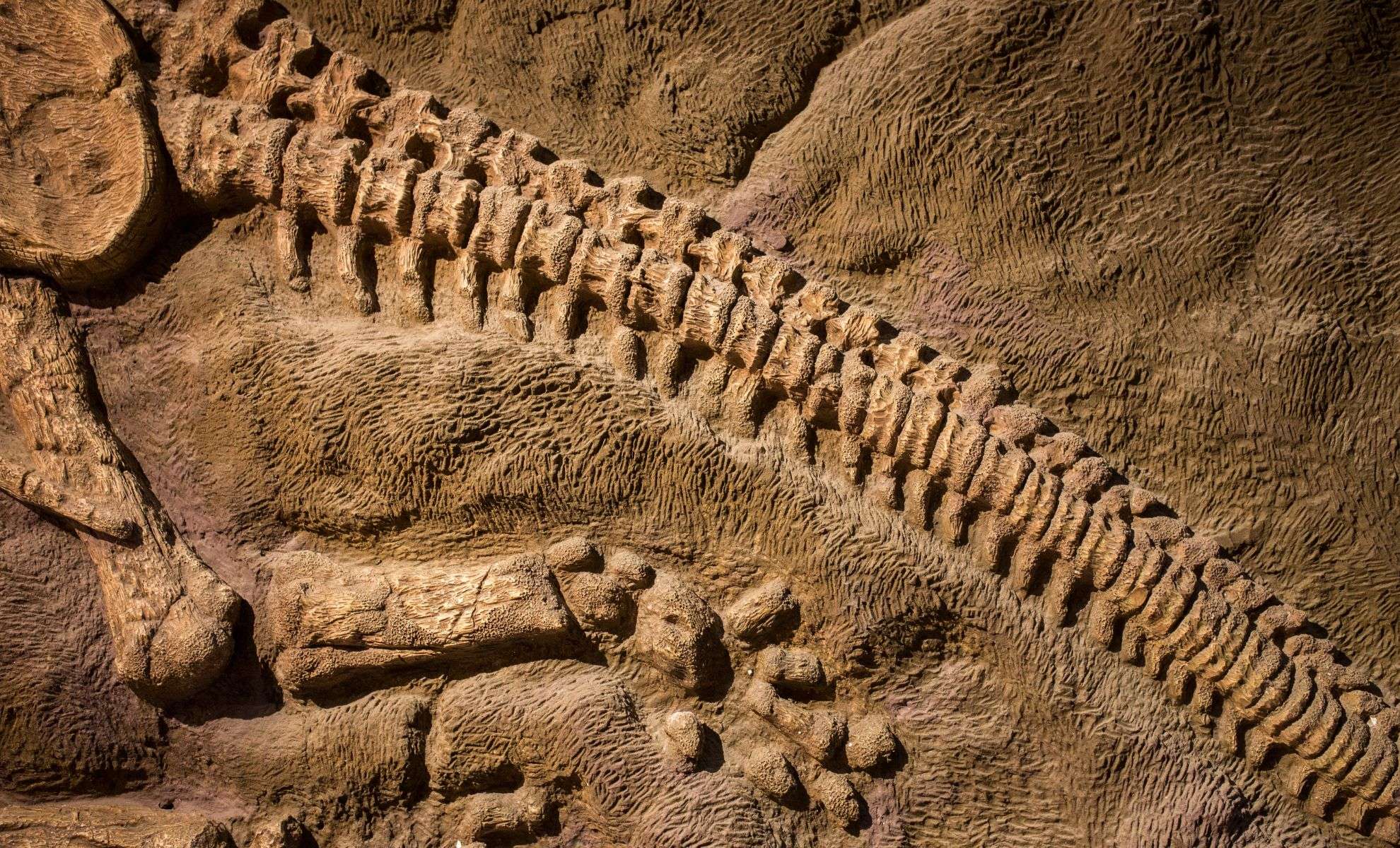
Excavations in Villa El Chocón, Argentina, have revealed fossils of a previously unrecognized sauropod species. Designated as Cienciargentina sanchezi, this dinosaur stands as the earliest identified member of the Rebbachisauridae family, prompting new insights into the dinosaur ecosystems of the Late Cretaceous period across South America and beyond.
Patagonia’s Ancient Landscape Comes to Light
The discovery of Cienciargentina sanchezi took place within the lower strata of the Huincul Formation, a renowned fossil site in the Neuquén Province.
Dating back roughly 94 million years, this species belongs to the Cenomanian-Turonian window of the Late Cretaceous. It notably represents some of the last surviving diplodocoid dinosaurs before their eventual disappearance.
A Unique Branch of Rebbachisaurids
Rebbachisaurids form a specialized group within the larger diplodocoid lineage, characterized by long necks and herbivorous diets. Unlike well-known relatives such as Diplodocus, these dinosaurs often exhibited unusual dental adaptations.

Certain species developed advanced tooth batteries, a complex dental pattern more commonly attributed to hadrosaurs or ceratopsians. The addition of this new species offers valuable context for understanding the evolutionary trajectory of this family.
Researchers point out, “The rebbachisaurid materials from the Huincul Formation are especially relevant because, together with those of the Bajo Barreal Formation, correspond to the last indubitable diplodocoids before, presumably, they became completely extinct.”
Fossil Insights from Villa El Chocón
The Huincul Formation in Patagonia provides crucial clues about the evolutionary history of dinosaurs in South America. Scientists have identified a significant ‘faunal turnover‘ during the mid-Cretaceous in this area.
This change impacted not just sauropods but other dinosaur groups as well. As noted by researchers, “in Patagonia, particularly in the Huincul Formation, the hypothetical faunal turnover that occurred in the middle of the Cretaceous, which involved not only sauropods but other groups of dinosaurs, is observed, perhaps like nowhere else in South America”.
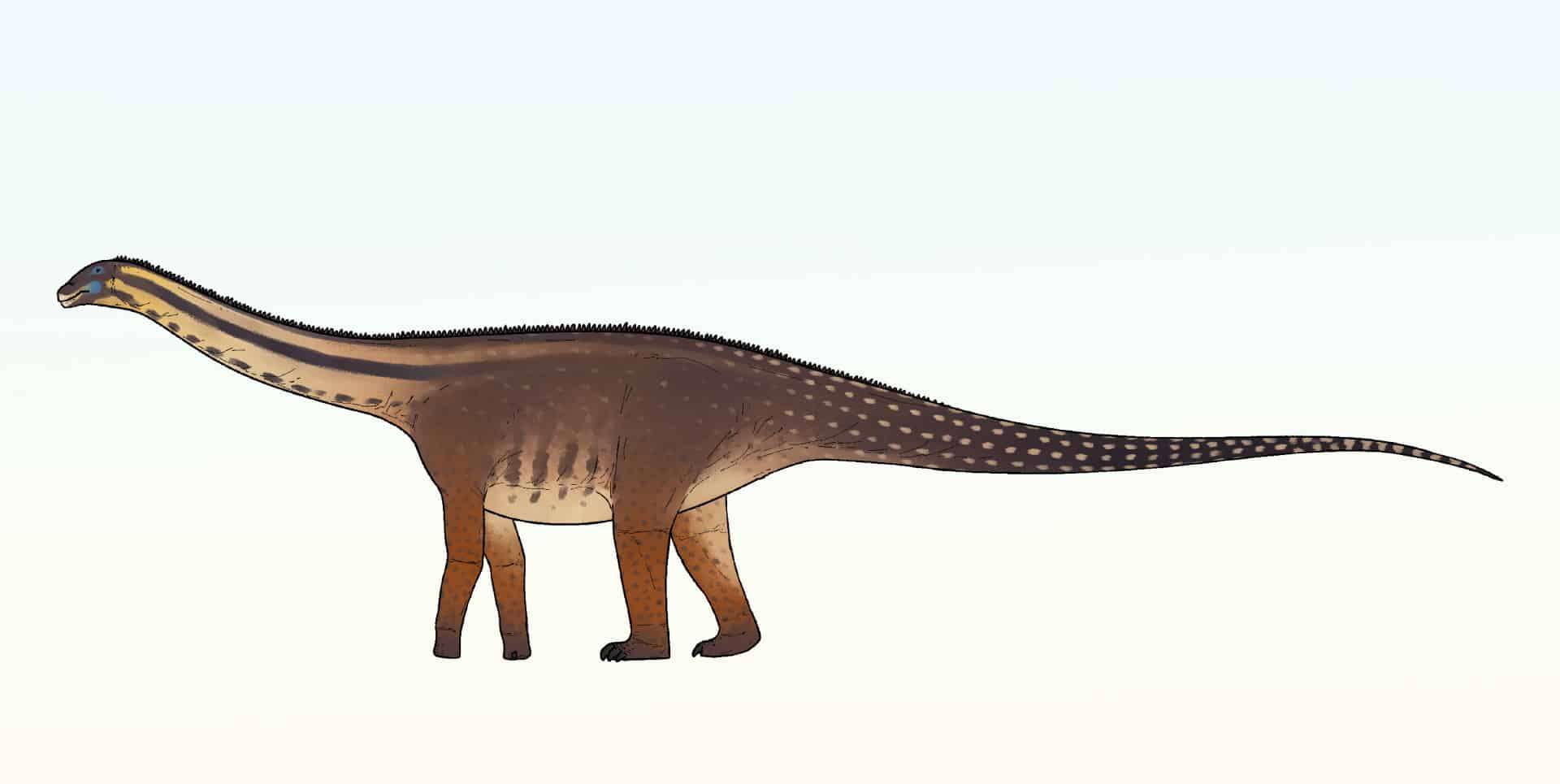
The Shift from Diplodocoids to Titanosaurs
After the Turonian stage in the Late Cretaceous, the fossil record reflects a clear ecological turnover: diplodocoid dinosaurs vanish, replaced predominantly by macronarian sauropods, especially titanosaurs, which come to dominate global ecosystems. The emergence of Cienciargentina sanchezi during this period sheds light on this critical phase of dinosaur evolution.
The authors emphasize: “from the Turonian onwards, sauropod communities are composed exclusively of macronarians, mostly titanosaurs.”
Contributions to Global Dinosaur Studies
Research published in Cretaceous Research by María Edith Simón and Leonardo Salgado offers new phylogenetic perspectives that could reshape understanding of the rebbachisaurid family tree. Beyond classification, this discovery challenges prior timelines and encourages reevaluation of Late Cretaceous dinosaur diversity in Gondwana.
Cienciargentina sanchezi bridges a crucial temporal gap and enhances insight into the ecological changes occurring during one of the most transformative intervals in Earth’s history.
Ongoing fossil discoveries throughout South America continue not only to illuminate ancient life but also to transform scientific perspectives. In this instance, the remains of Cienciargentina might be telling the closing story of a dinosaur lineage.
- Categories:
- Science






0 comments
Sign in to Comment