
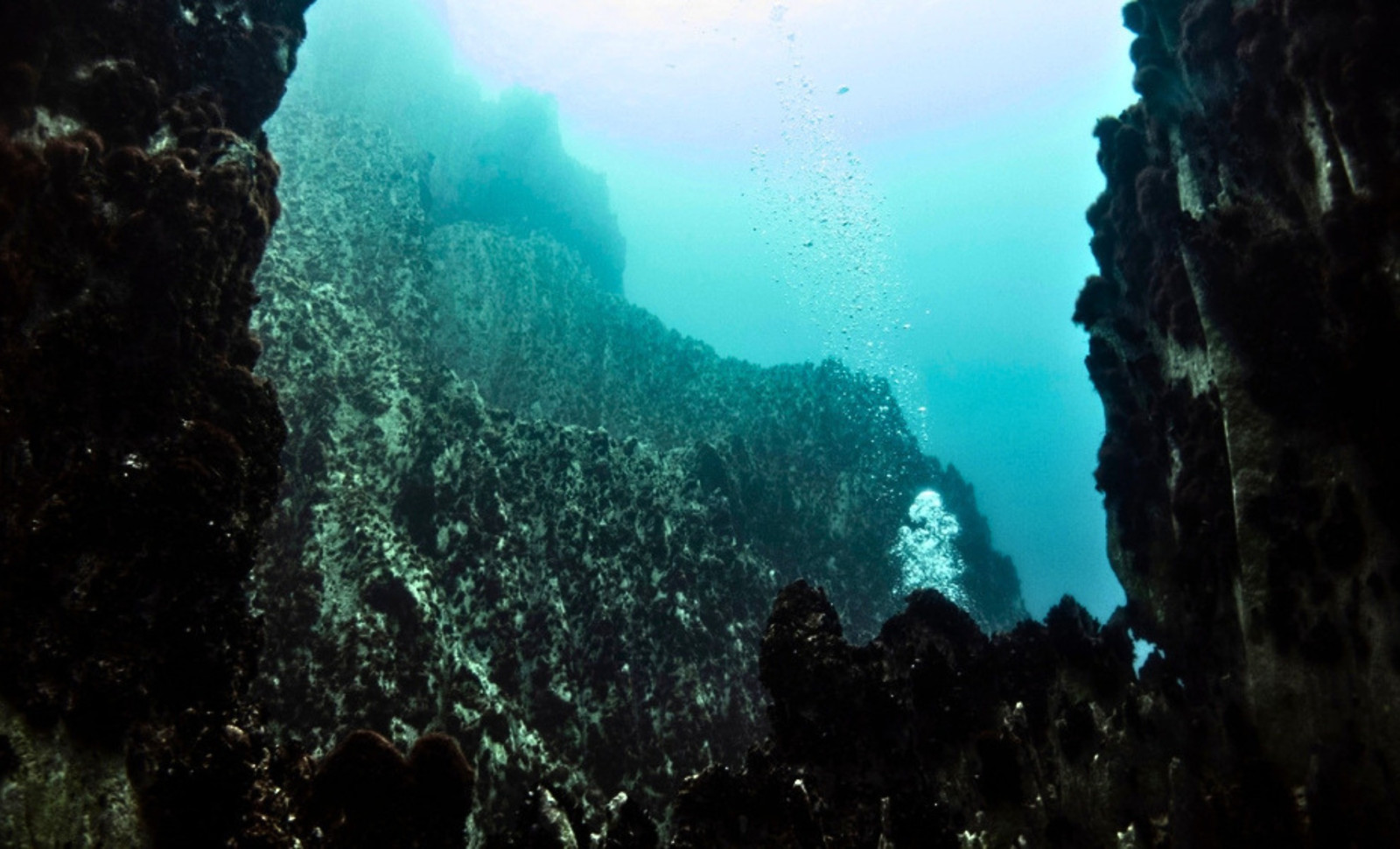
During an expedition by the Schmidt Ocean Institute in July 2023, scientists retrieved a piece of volcanic rock from the Pacific Ocean floor with the intent of studying tube worm dispersal. Instead, they uncovered living creatures embedded within the oceanic crust itself, inhabiting warm, fluid-filled pockets below the seabed. This unprecedented find occurred in a zone previously thought uninhabited by multicellular animals.
Documented in Nature Communications, the discovery extends the known habitat of the deep-sea hydrothermal vent ecosystem deeper into the ocean crust. This breakthrough has significant implications for marine ecology, carbon cycling, and the study of extraterrestrial life possibilities.
An Entire Undersea Community Hidden Within a Vent Field
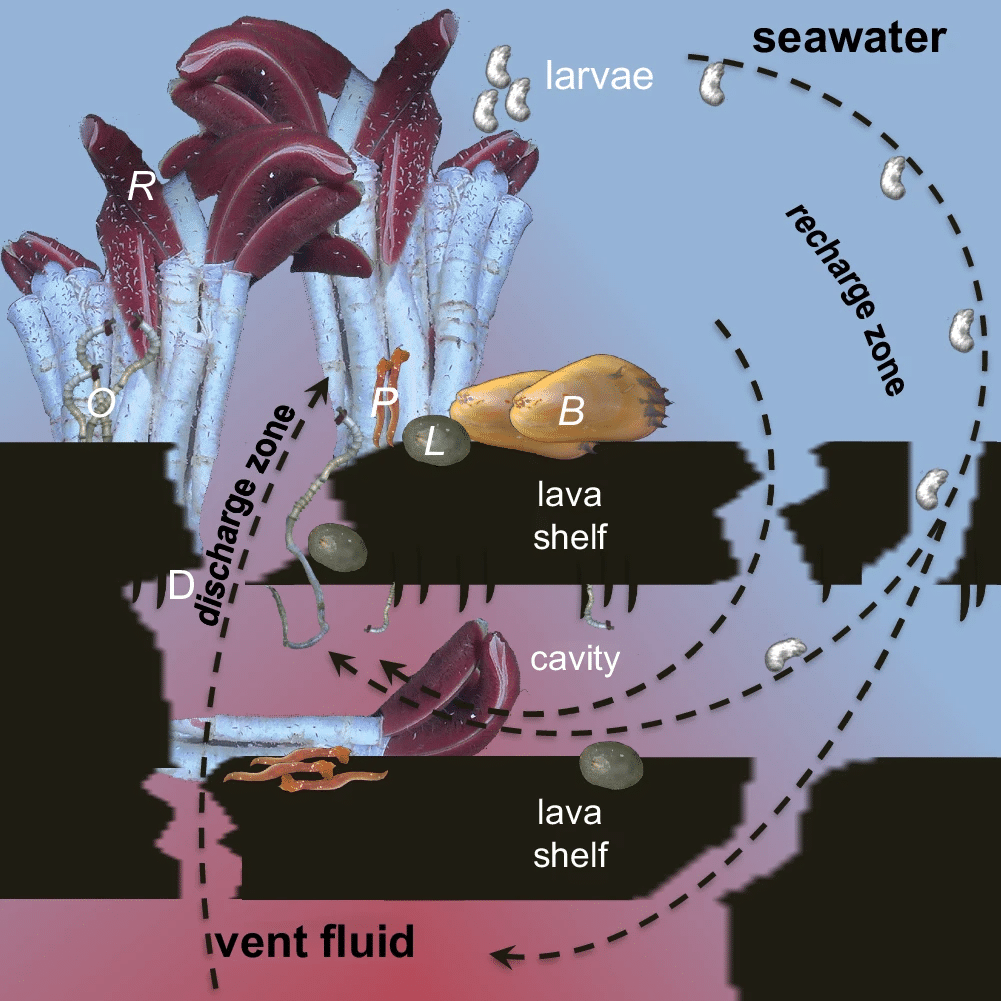
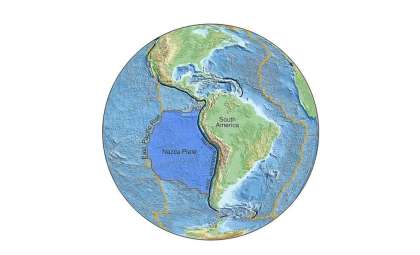
Located 2,515 meters below the ocean surface on the East Pacific Rise—a tectonically active underwater mountain range—the site named Fava Flow Suburbs revealed thriving animal assemblages inside lava cavities just 10 centimeters under the seafloor. The community comprised tube worms, bristle worms, limpets, and snails organized in layered arrangements similar to those on the ocean floor above.

The team utilized the remotely operated vehicle SuBastian to drill into the exposed basalt and extract entire sections of lava shelves. Beneath these slabs, spanning 10 to 15 centimeters thick, cavities averaging 10 centimeters in height were filled with hydrothermal fluids at approximately 18°C, with a pH of 6.1 and measurable oxygen.
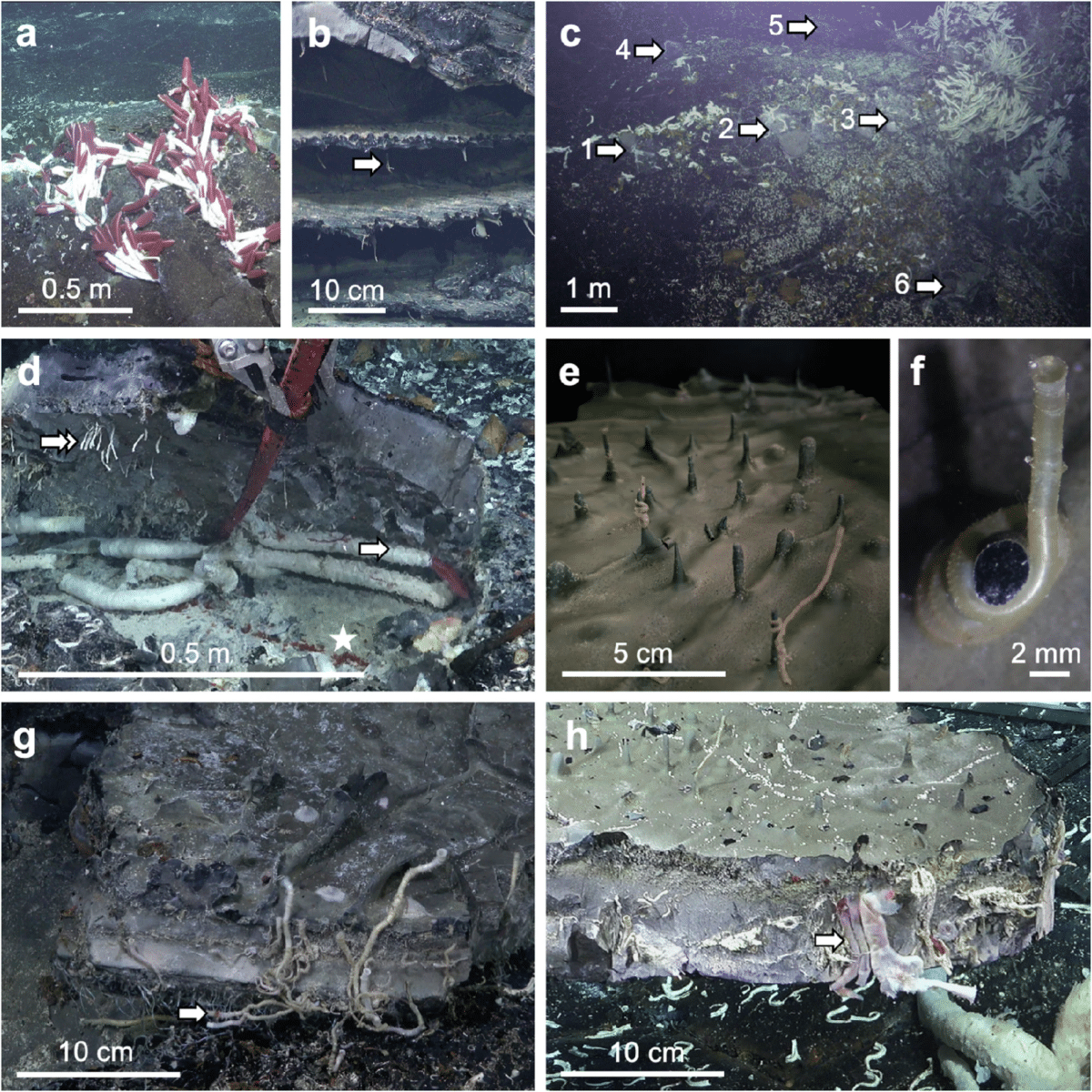
These environmental parameters match conditions seen in tube worm and mussel habitats on the seafloor, indicating that these cavities provide stable and hospitable niches rather than marginal ones compromised by extreme heat.
Six different cavities spanning an area of about 20 by 20 meters were investigated; five contained visible animal life. The uninhabited cavity was notably shallower at just 5 centimeters tall, suggesting that cavity dimensions influence the ability of animals to establish populations underground.
Tube Worms Larger Than Previously Recorded Found Beneath the Crust
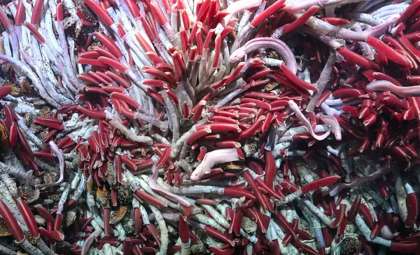
The species Oasisia alvinae, previously known only from seafloor locales, was the predominant animal identified. Subsurface individuals had tube lengths up to 20 centimeters, surpassing previous records for this species. The iconic giant tube worm Riftia pachyptila was also found in two cavities, with specimens reaching 50 centimeters. Several worms showed signs of sexual maturity—males with active sperm and females with large eggs—indicating that reproduction takes place within these subterranean habitats, not merely survival.
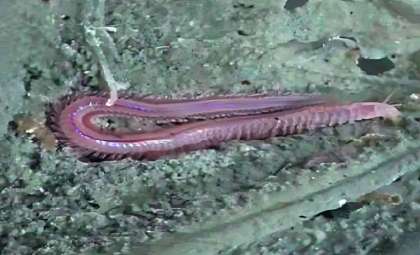
Four cavities harbored a variety of mobile animals occupying multiple ecological roles. Paralvinella bristle worms grazed densely on microbial mats, with up to 30 individuals per quarter square meter in one cavity. Carnivorous polychaetes such as Nereis sandersi and Archinome rosacea coexisted with deposit feeders like limpets and snails, demonstrating a complete predator-prey structure compressed into cavities no taller than a typical hardcover book.
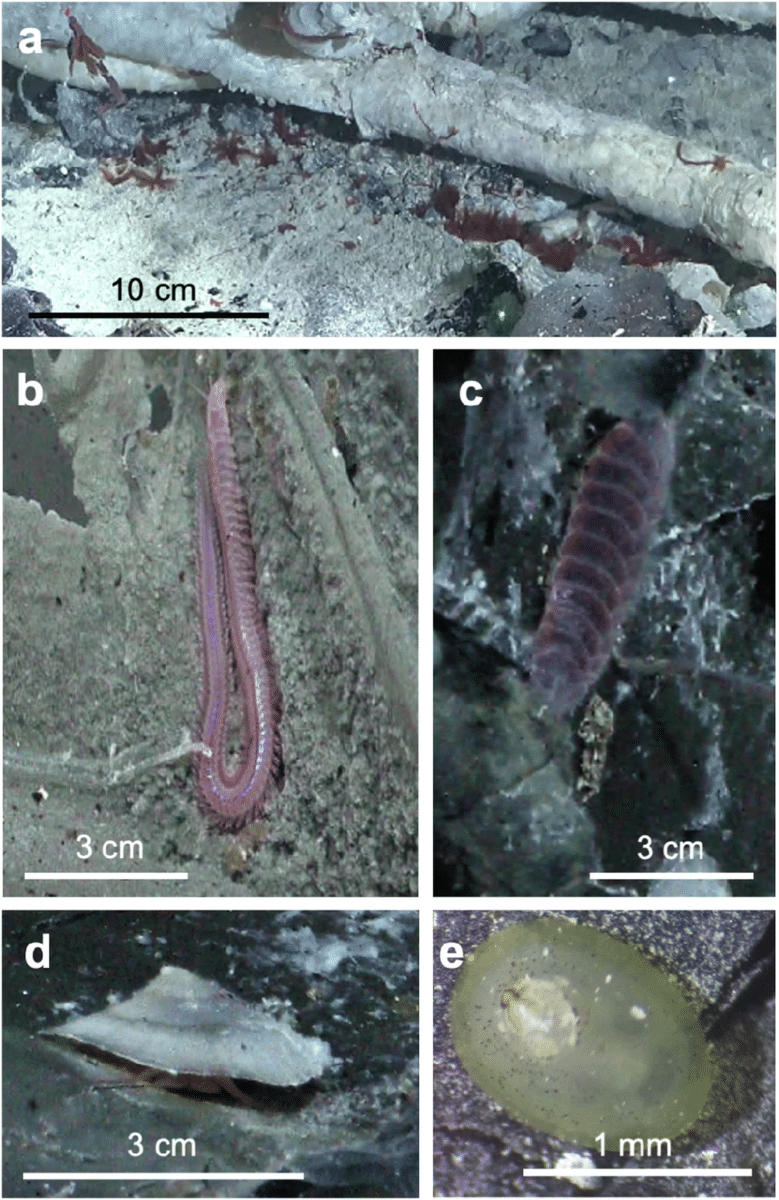
One cavity contained about 80 Oasisia alvinae in less than a quarter square meter, all similar in size and growing adjacently. This high density implies active larval aggregation underground rather than passive drift, signifying that the subseafloor is an independent and viable habitat rather than a mere overflow from the ocean floor above.
Interestingly, mussels, common on the seafloor surface, were absent from these cavities. This absence suggests the subseafloor fauna forms a unique community shaped by the specific conditions within the crust.
Unraveling the Mystery of Larval Dispersal Below the Seafloor
The team's initial objective was unrelated to uncovering animal life beneath the seafloor. Marine biologists Monika Bright and Sabine Gollner aimed to understand how tube worm larvae quickly colonize new vent sites after volcanic eruptions, despite larvae never being observed in the water column above vents.
They proposed that larvae avoid open water dispersal entirely, instead being pulled downward with cold seawater into rock cracks where they mix with ascending hydrothermal fluids before emerging at other vent locations.
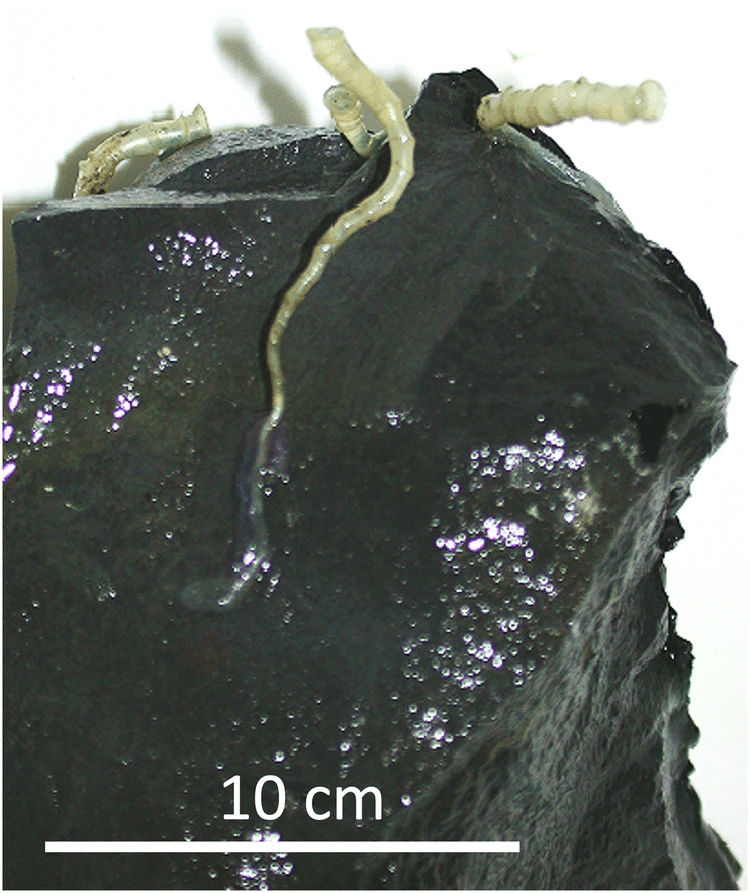
The presence of adult, reproducing tube worms inside these cavities confirms this dispersal pathway. “The fact that live large tubeworms were found means that the hypothesis of larvae being able to colonize vents from below has been confirmed,” Bright explained to ScienceAlert.
This mechanism elucidates how vent ecosystems rapidly recover post-eruption. An underground reservoir of larvae and juveniles circulating within the crust can reseed surface colonies independent of surface survivors. Thus, the subseafloor serves as a vital biological buffer sustaining these ecosystems.
Implications for Carbon Cycling and Conservation Efforts
The discovered fauna host abundant chemosynthetic bacteria capable of fixing carbon without sunlight. Their subsurface existence indicates that current models of carbon cycling at hydrothermal vents, derived solely from surface observations, underestimate the system's total activity. The extent of this underestimation remains unclear due to the unknown three-dimensional size of these cavities.
These lava shelf habitats are widespread along fast-spreading ocean ridges, such as the Juan de Fuca Ridge in the northeastern Pacific, indicating this is not a singular phenomenon. Geologist Rachel Lauer from the University of Calgary, who was not part of the project, told National Geographic, “Every study just confirms how little we understand about the seafloor.”
The researchers emphasize that this groundbreaking insight strengthens arguments for protecting hydrothermal vent ecosystems from deep-sea mining activities. Since the living community extends beneath the visible surface, disturbance impacts may be far more extensive than previously assessed. The Nature Communications study calls for further expeditions to fully characterize the ecological and geochemical significance of life residing beneath the ocean crust.
- Categories:
- Science







0 comments
Sign in to Comment