
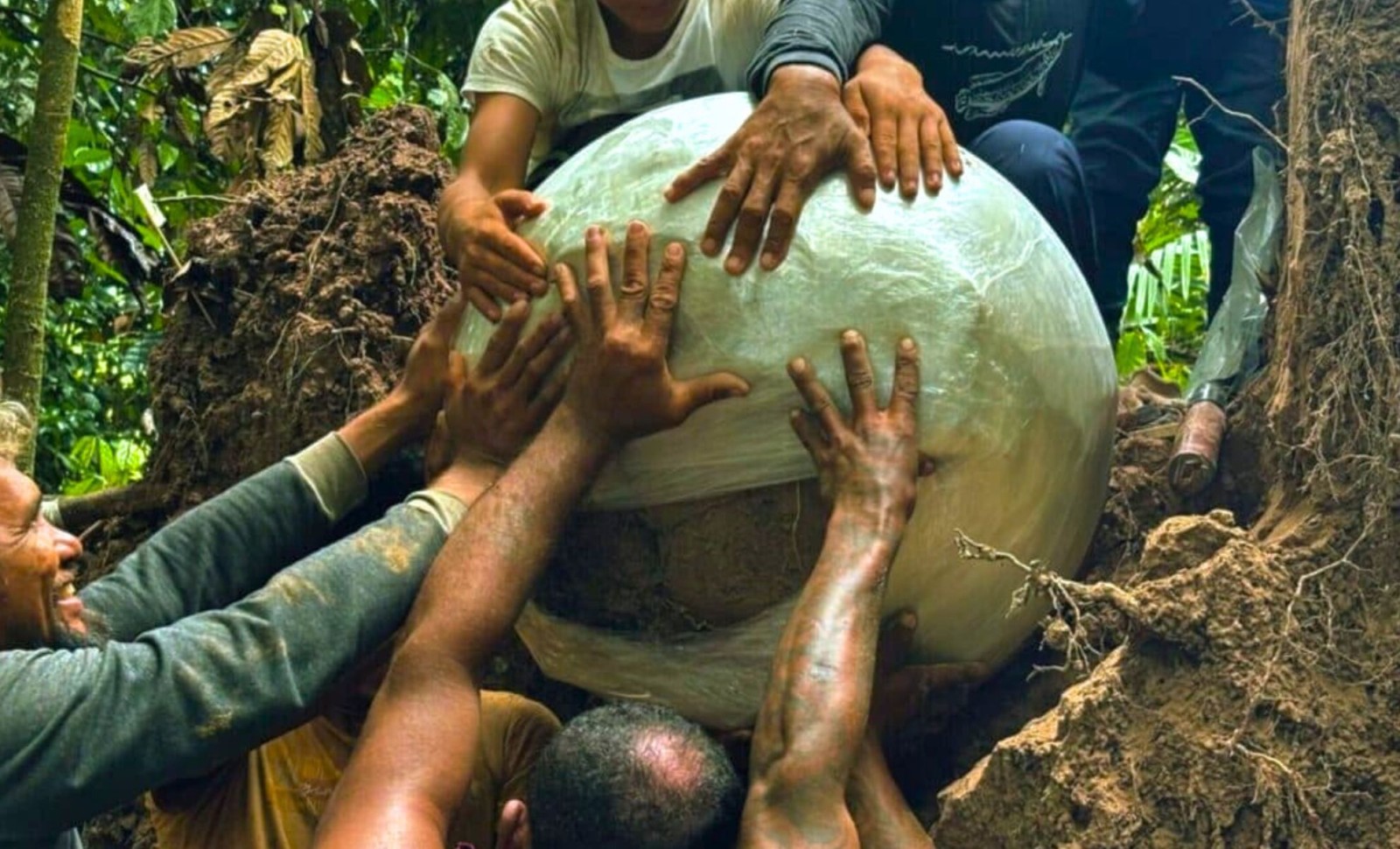
Deep within a secluded floodplain of Brazil’s Amazonas state, a fallen giant tree unveiled a hidden chapter of Indigenous heritage. Entangled in its roots were seven substantial ceramic urns, carefully sealed and filled with an intriguing assortment of human and animal bones, partially uncovered by the storm’s impact.
Discovered near Fonte Boa in the Solimões River area, this finding challenges existing ideas about early Amazonian societies’ concepts of death, nourishment, and ritual practices. The urns contained not only human remains but also fragments of fish and turtles, deliberately placed together. This unusual combination disrupts known burial customs across the lowland regions of South America.
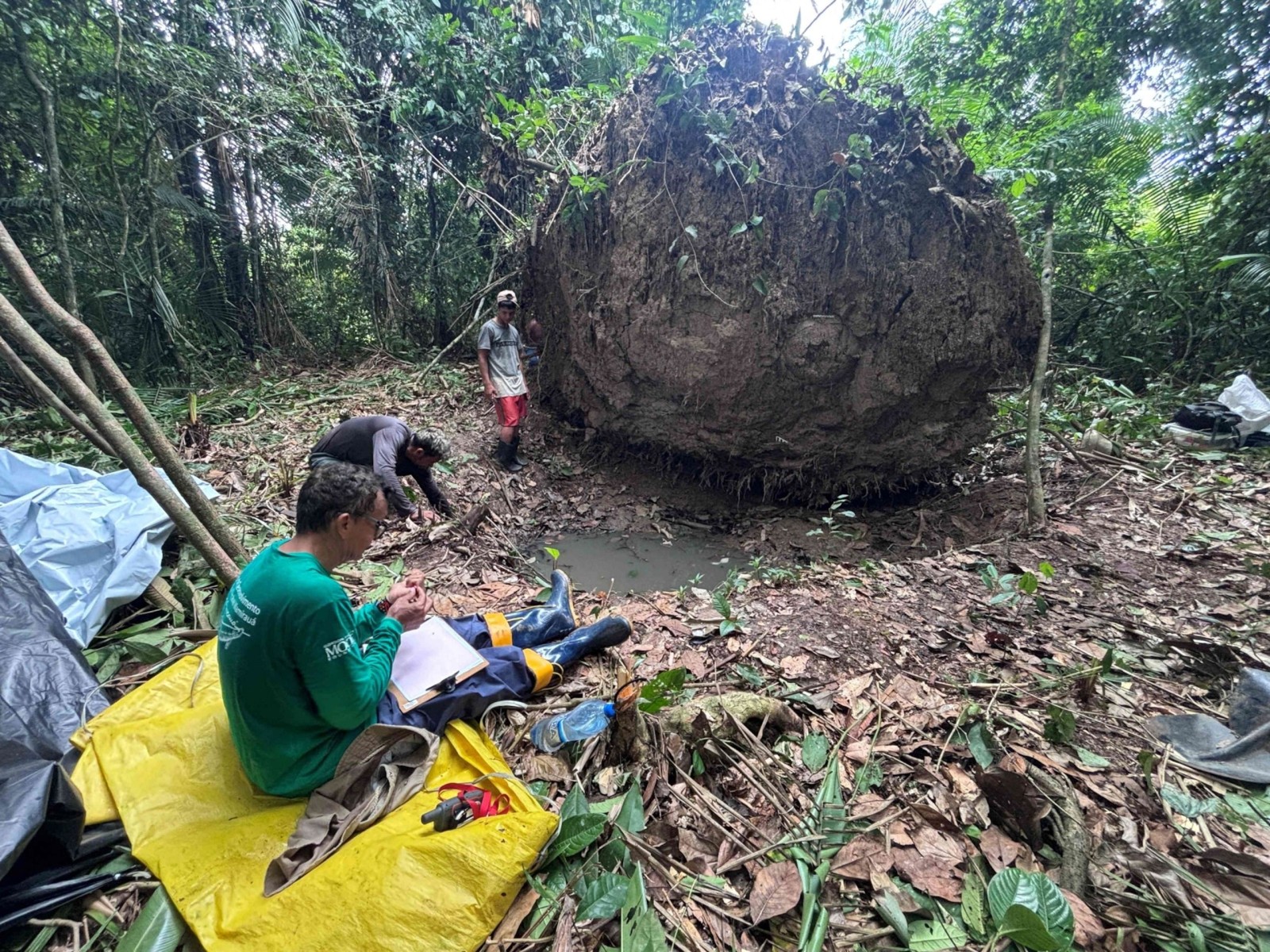
The urns rested on top of a constructed mound, which is part of an expansive system of man-made islands designed to raise settlements above the annual floodwaters. This infrastructure hints at long-standing and intricate landscape modification techniques in the rainforest—concepts once thought unlikely by archaeologists.

Sealed Urns Hold Secrets of Ceremonial Burial
Located near Lago do Cochila, the site is recognized by the Brazilian Ministry of Science, Technology, and Innovation as an Indigenous archaeological zone. Each urn was tightly sealed, probably with organic substances now deteriorated, and buried just about 40 centimeters below the surface, possibly beneath ancient homes.
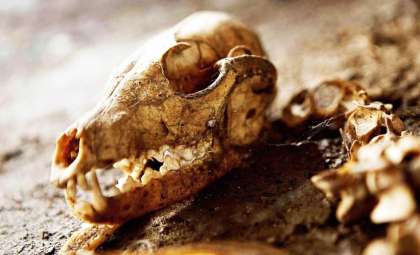
Within, archaeologists uncovered broken human bones alongside remains of turtles and fish. While some Andean and South American lowland cultures practiced burials with food offerings, combining these elements within the same container is exceptionally uncommon in the Amazon. Scholars propose the urns may symbolize a fusion of life’s nourishment and the afterlife, although more investigation is required.
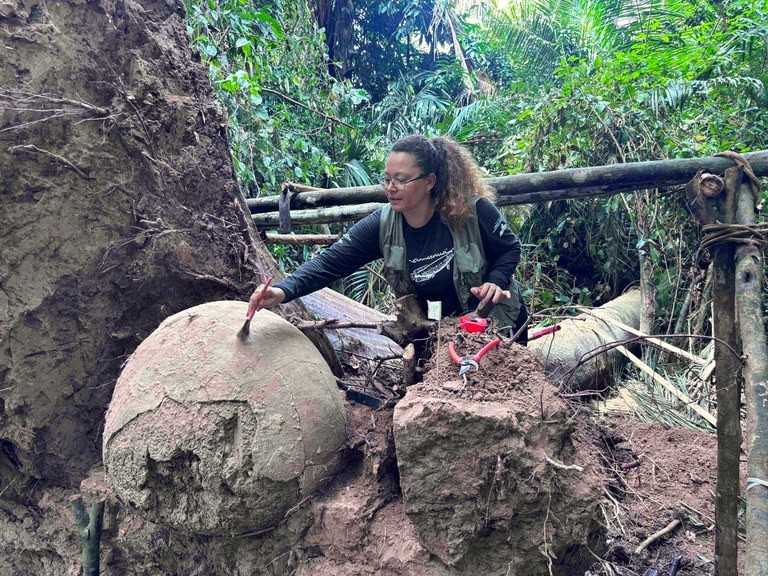
The construction of the urns also stands out. Made from greenish clay—a rare material locally—they exhibit remnants of red slip and engobe coatings, but do not resemble any known pottery traditions like the Amazon Polychrome style. According to Mamirauá Institute lead archaeologist Geórgea Layla Holanda, this points to an unrecognized ceramic tradition, perhaps attributed to a previously unidentified cultural group.
Evidence of Advanced Environmental Engineering
Beyond a remarkable burial discovery, the urns’ location speaks to a well-planned settlement design. They were found on an artificial island, elevated by layering soil, ceramics, and organic material to create dry land safe from seasonal flooding.
These islands, known locally as tesos, form part of a broad network of human-made earthworks that scholars have only recently begun to explore. A 2020 PNAS publication highlights how LIDAR and soil studies reveal similar raised platforms, pathways, and canals across southwestern Amazonia—proof of populous, organized societies managing the environment long before European arrival.
The Fonte Boa mound aligns with this pattern, appearing deliberately built and situated to endure periodic flooding from the Solimões River. This supports increasing evidence that Amazonian cultures engaged in intricate environmental modification, a fact previously undervalued in academic circles.
Community-Driven Archaeological Effort
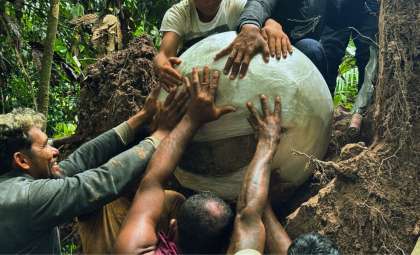
This remarkable find was made possible through the involvement of local inhabitants. Residents of São Lázaro do Arumandubinha first noticed the urns after a windstorm toppled a tree. After alerting a local priest, they reached out to Mamirauá Institute researchers located more than 150 miles away.
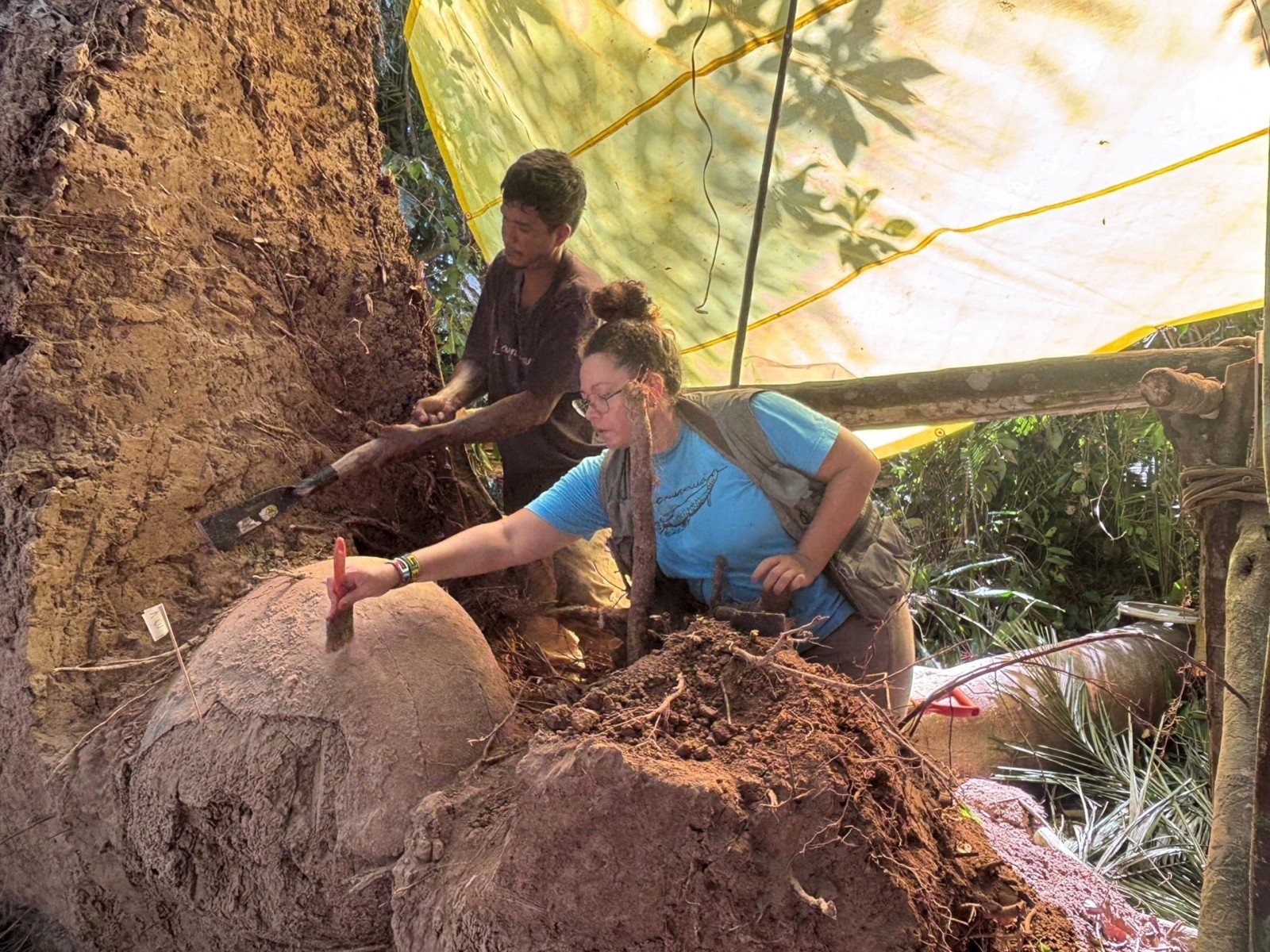
Excavation posed unique challenges: the urns hung nearly three meters above the ground, intertwined within the tree’s roots. Villagers built a wooden scaffolding from traditional materials, allowing archaeologists to extract the containers safely. Moving the fragile vessels back to Tefé required a demanding 10- to 12-hour canoe trip through complex river paths.
The recovery was led entirely by the community, blending scientific guidance with local expertise. Fisherman Walfredo Cerqueira was one of the first to report the urns; his wife supported the team by preparing food, while others crafted tools and platforms essential for the delicate operation.
This collaboration exemplifies a rising trend toward inclusive archaeology in the Amazon, prioritizing Indigenous knowledge and perspectives in uncovering history. As the Mamirauá team highlights, this partnership uncovered not only artifacts but also deep-rooted local understandings of the landscape that may shape future research.
- Categories:
- Science



0 comments
Sign in to Comment