
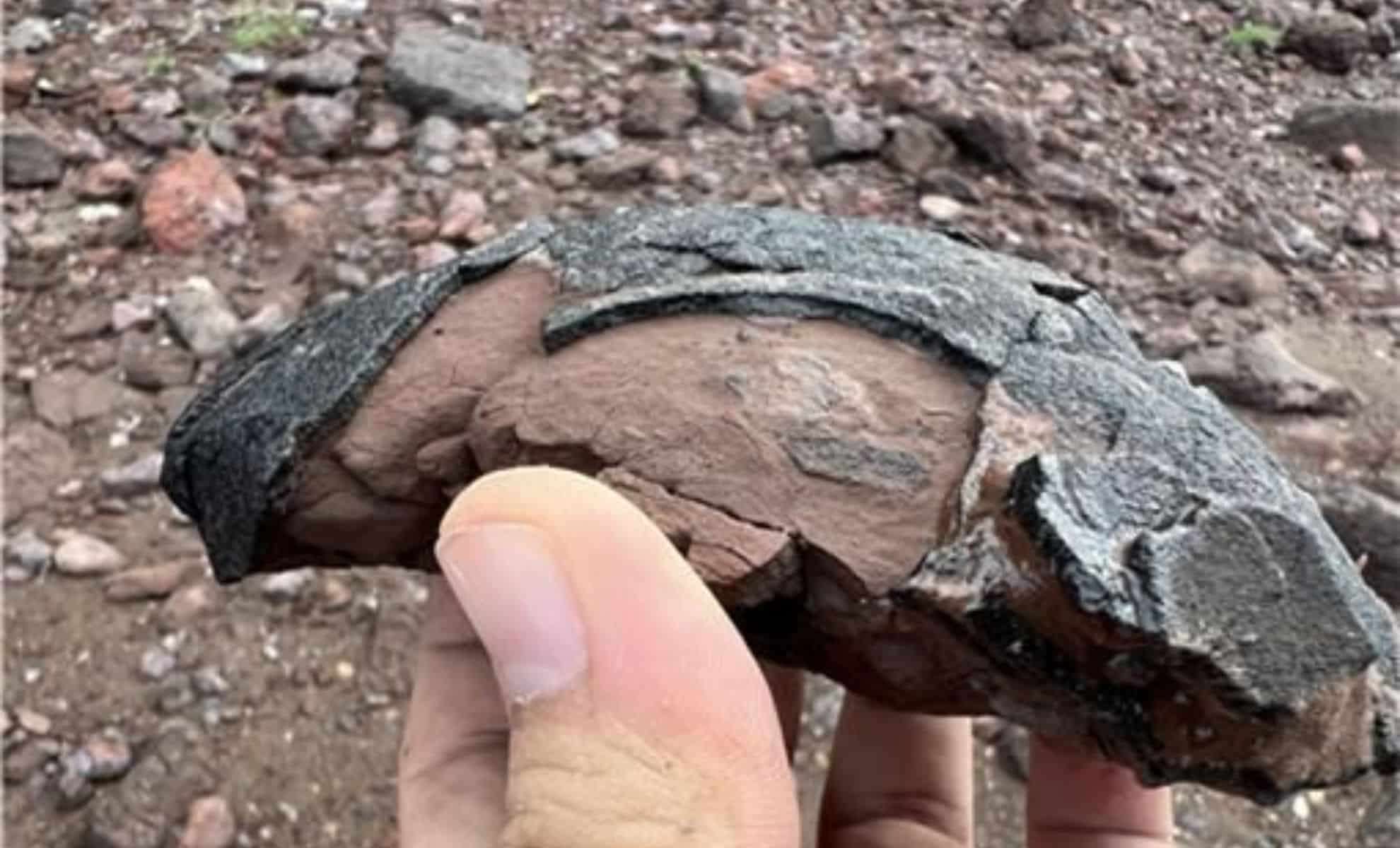
Researchers have recently uncovered a remarkable set of dinosaur eggs in Sinan County, situated in the southwestern part of South Korea. The excavation revealed four nearly intact eggs alongside more than 100 fragments, providing valuable clues about the ancient lives of both plant-eating and meat-eating dinosaurs. This surprising revelation was shared by the Korea Dinosaur Research Center at Chonnam National University.
Uncovering Both Herbivore and Carnivore Eggs in One Site
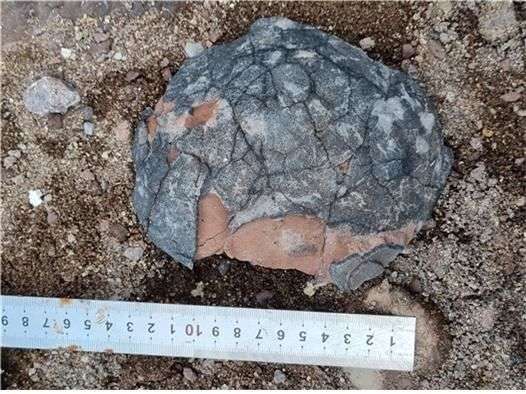
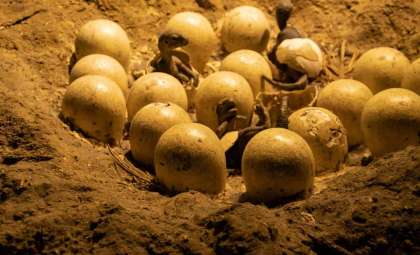
As reported by The Korea Times, the fossils were found on February 19, 2023, within Sinan County, South Jeolla Province—a location already recognized for prior dinosaur fossil finds including carnivorous species remains. The recent discovery includes four nearly complete eggs likely from large herbivorous dinosaurs, along with numerous egg fragments dispersed throughout the area. This co-location of herbivore and carnivore evidence within the same sediment layers is a rare occurrence.
The intact eggs appear to originate from sizable plant-eating dinosaurs, while the fragments might belong to smaller herbivores or possibly even early bird species. These fossils were located just 100 meters away from a 2009 find of a carnivorous dinosaur egg nest. The close vicinity of these finds highlights a fascinating coexistence between herbivorous and carnivorous dinosaurs during a shared time period.

Insights on Dinosaur Interaction and Habitat
This discovery also offers new perspectives on how dinosaurs might have behaved. Finding remains from both herbivores and carnivores in such close proximity suggests these prehistoric creatures possibly inhabited overlapping environments. Unlike many present-day ecosystems where predators and prey maintain separate territories, this evidence points to a more complex dynamic.
The dinosaurs may have lived in relatively close quarters, bringing up questions about how they avoided conflict or perhaps shared resources. Understanding this relationship could challenge conventional views on territorial behavior among dinosaurs.
Geological Context Enhances Significance of the Find
The sediments housing both herbivorous and carnivorous dinosaur remains stem from the same geological layers, reinforcing the interpretation that these species existed simultaneously. Fossilized evidence preserved in identical strata usually implies concurrent timelines. Sinan County continues to be a critical site contributing to our knowledge of dinosaur fauna.
These latest finds may help clarify how various dinosaur species interacted with each other and their surroundings. The fact that a diverse range of herbivorous and carnivorous dinosaurs once shared the Sinan region millions of years ago paints a vivid picture of ancient ecosystems teeming with life.
- Categories:
- News





0 comments
Sign in to Comment