
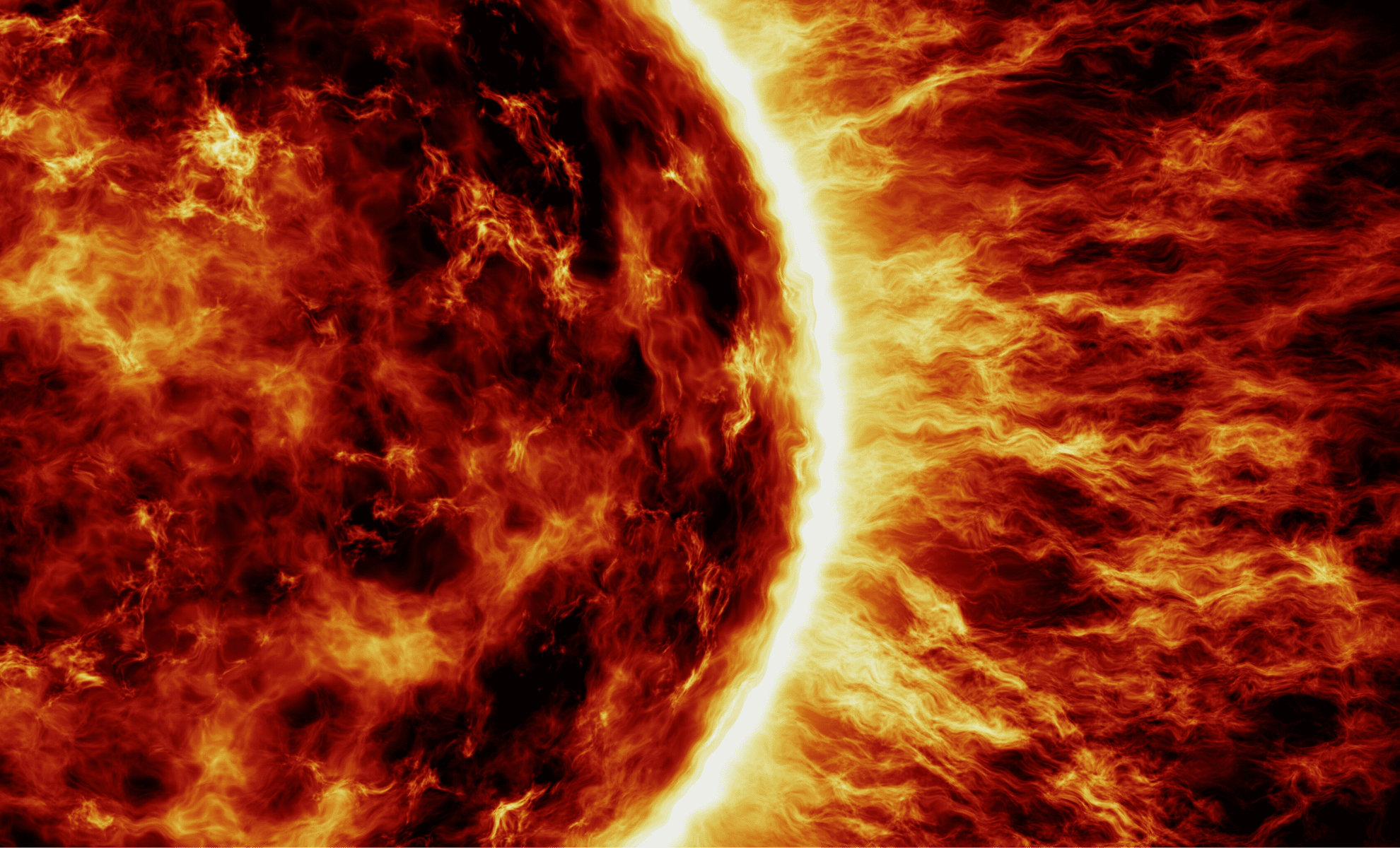
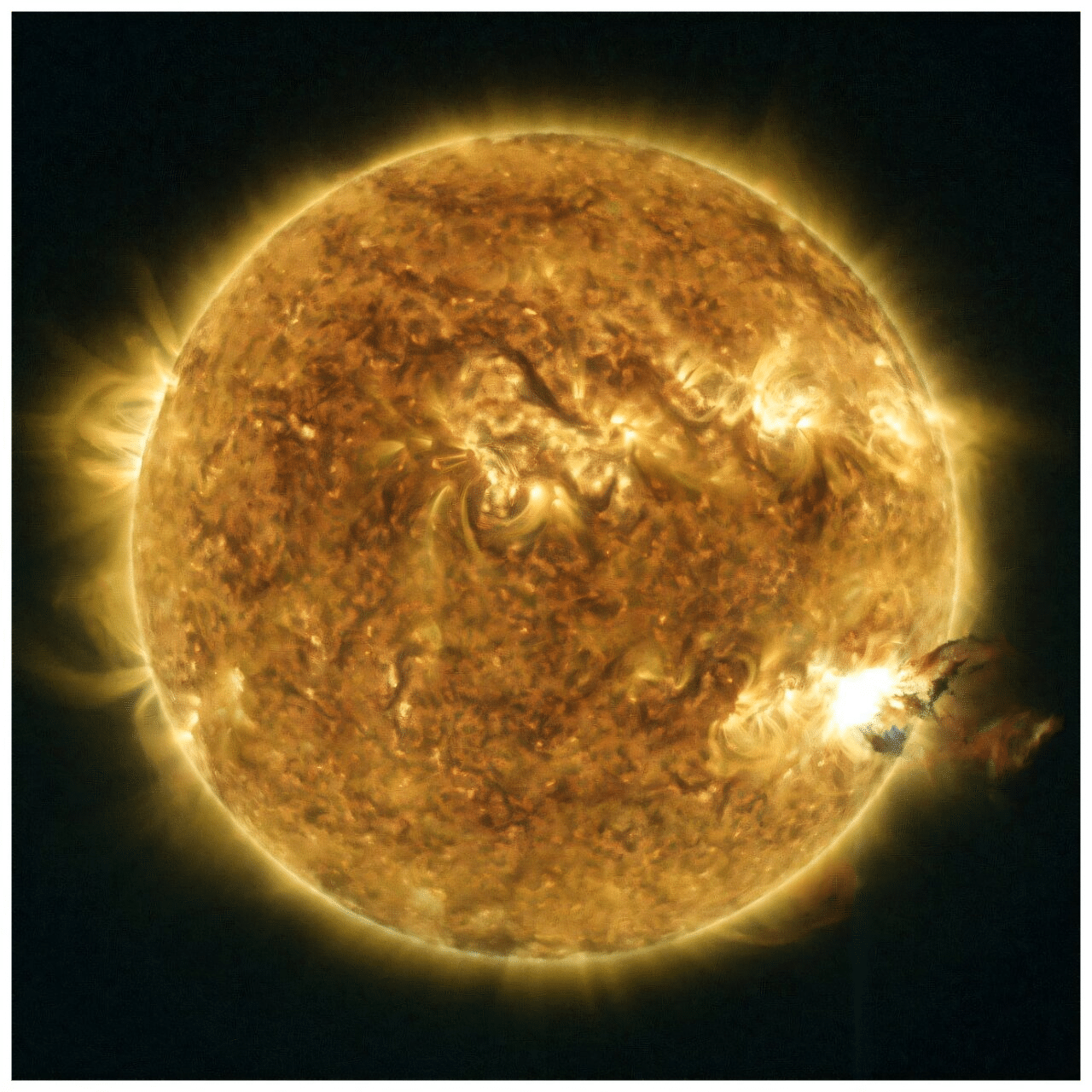
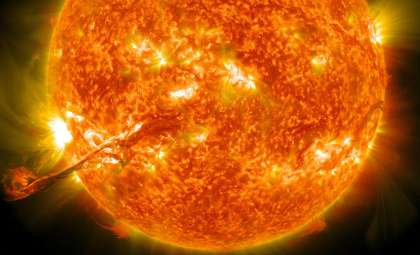
Recent research The Astrophysical Journal Letters reveals that solar flares—immense energy eruptions in the Sun’s atmosphere—may reach temperatures nearly 6.5 times greater than earlier estimates. Led by Dr. Alexander Russell of the University of St Andrews, the study challenges decades-old assumptions about energy distribution in the Sun’s plasma. These insights carry significant implications for how we understand solar activity, and how solar events impact spacecraft, astronaut safety, and Earth's atmospheric environment.
Changing the Understanding of Flare Temperatures
The team reevaluated the thermal properties of solar flare plasma, a highly ionized gas made up of electrons and ions, using new observational data alongside comparisons from other space plasma environments. Earlier models presumed electrons and ions stayed at similar temperatures during flare events. This study disrupts that notion.
Scientists found that ions, the positively charged particles within the plasma, can achieve temperatures surpassing 60 million Kelvin, a figure 6.5 times higher than what former models suggested. The findings arise from deeper examination of magnetic reconnection, where magnetic energy rapidly converts into heat and motion.

Dr. Russell observed:
“We were excited by recent discoveries that a process called magnetic reconnection heats ions 6.5 times as much as electrons. This appears to be a universal law, and it has been confirmed in near-Earth space, the solar wind and computer simulations. However, nobody had previously connected work in those fields to solar flares.”
Bridging studies of solar wind phenomena and cutting-edge simulations with solar flare data, this research introduces a refreshed perspective on plasma heating, offering potential advancements for space weather prediction and astrophysical theories.
Unraveling the Mystery of Broad Spectral Lines
For over 50 years, solar scientists have wrestled with the cause behind the notably broad spectral lines detected during solar flares—bright emissions in ultraviolet and X-ray wavelengths. The common explanation pointed to turbulence within the solar atmosphere, but inconsistencies have made this problematic.
The new findings propose a strong alternative: the unusually high ion temperatures rather than turbulent motions may be responsible for these broad spectral features.
Dr. Russell explained:
“Solar physics has historically assumed that ions and electrons must have the same temperature. However, redoing calculations with modern data, we found that ion and electron temperature differences can last for as long as tens of minutes in important parts of solar flares, opening the way to consider super-hot ions for the first time.”
This insight suggests that the elevated ion temperatures alone can explain spectral line widths, resolving a longstanding astrophysical puzzle and revising the fundamental understanding of energy mechanisms in solar flares.
Broader Impact: Consequences for Space Weather and Solar Models
Accurately understanding solar plasma dynamics is crucial. Solar flares release intense bursts of radiation and charged particles that can disrupt satellite functionalities, threaten astronaut health, and interfere with Earth's radio communications.
The discovery that ions reach far higher temperatures than electrons during flares influences how scientists predict solar energetic particle events (SEPs). These ultra-hot ions likely play a far greater role in particle acceleration and energy release than previously appreciated.
Dr. Russell emphasized:
“What’s more is that the new ion temperature fits well with the width of flare spectral lines, potentially solving an astrophysics mystery that has stood for nearly half a century.”
Factoring in these superheated ions could enhance solar flare modeling, leading to more precise forecasts of solar storms and better strategies to safeguard space and terrestrial infrastructure.
- Categories:
- News







0 comments
Sign in to Comment