
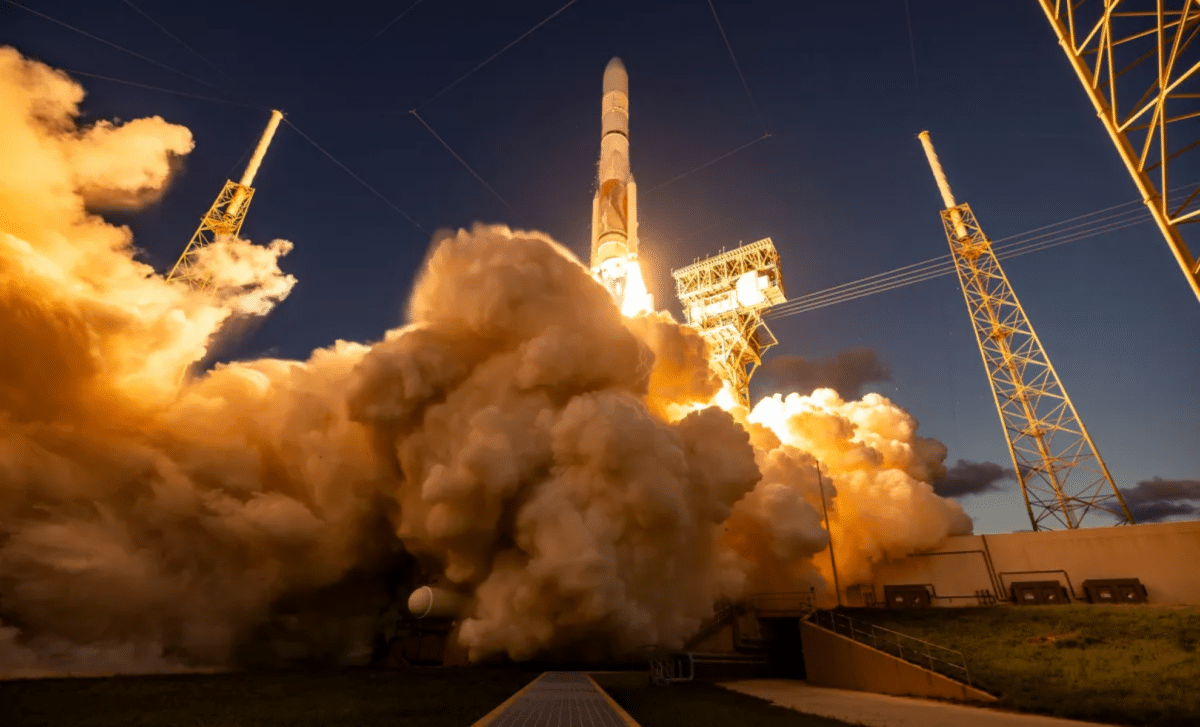
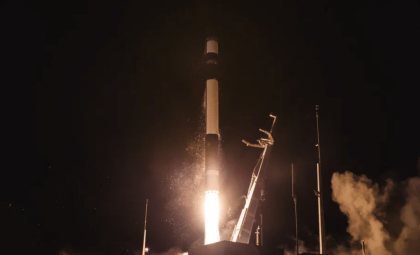
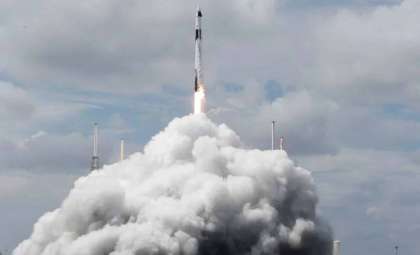
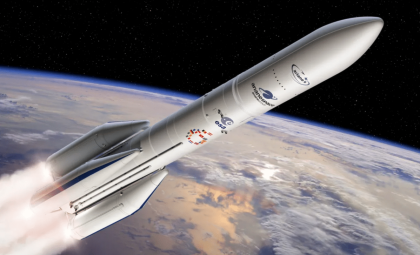
United Launch Alliance (ULA) is gearing up for a significant surge in its launch schedule in 2026. The aerospace company aims to carry out 18 to 22 launches throughout the year, utilizing both its Atlas 5 and Vulcan rocket families to address increasing demands from commercial enterprises and government agencies.
Driving Ambitions: ULA’s Launch Plan for 2026
In the upcoming year, ULA is committed to vastly increasing its launch frequency. Reports from Spaceflight Now indicate the company’s goal of scheduling between 18 and 22 rocket flights in 2026. This marks a sharp rise compared to the five launches completed in 2024 and six projected for 2025. The new launch tally will predominantly feature the Vulcan rocket, alongside a smaller number of Atlas 5 flights. ULA is confident that infrastructural improvements and close coordination with clients will make this target attainable.
To support this schedule, ULA will primarily operate from two launch sites: Cape Canaveral Space Force Station’s Pad 41 for Atlas 5 rockets and Vandenberg Space Force Base’s Pad 3 designated for Vulcan missions. Balancing mission priorities remains critical. As Gary Wentz, ULA’s vice president of Atlas and Vulcan Programs, explained,

“It’s a balance. We’re working with our customers to determine specific priorities and order of missions and in the case of Space Force and NRO (National Reconnaissance Office), to determine which missions they want to get off with higher priority.”
This customer collaboration ensures that high-priority operations receive precedence, while ULA adapts flexibly to evolving demands. Over the next months, the company will finalize the allocation of launches between Atlas and Vulcan rockets based on customer directives and strategic priorities.
Infrastructure Enhancements: Track A and Vertical Integration Facilities
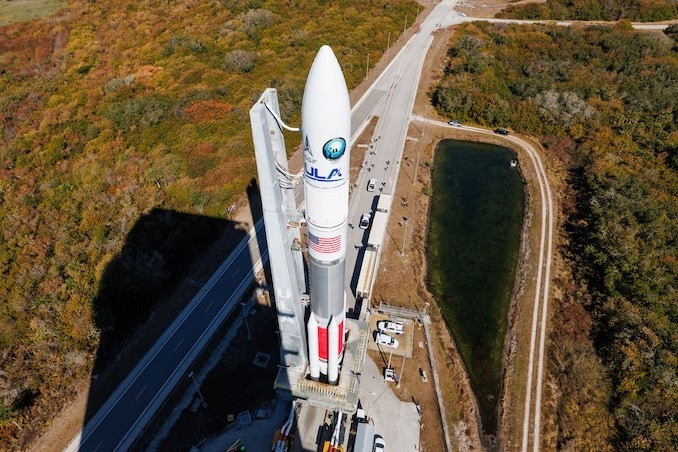
Achieving its heightened launch rate requires expanding operational capabilities. Central to this effort is the introduction of a new Vertical Integration Facility (VIF) called Track A, which will streamline Vulcan rocket processing and speed up launch preparation. Interim CEO John Elbon highlighted,
“Those are behind us now and so the Vulcan rocket is ready to go. We talked about getting what we call ‘Track A’ online, the new Vertical Integration Facility, the new Vulcan launch platform that allows us to double the rate, as Mark described, at KSC.”
This addition at Kennedy Space Center greatly boosts ULA’s launch throughput capabilities. Moreover, another new facility at Vandenberg will become operational later in the year, supporting the overall ramp-up strategy. Elbon further noted,
“We have in inventory, already built and finished goods, the rockets that will allow us to get up to that rate through this year. And the payloads are ready to go. So what we need to do is execute our launch activities at the Cape and at Vandenberg. And so, it’s very achievable for us to get up to the rate that we need to get up to through this year.”
With rockets and payloads prepared and supporting infrastructure enhanced, ULA is well-positioned to meet its ambitious launch frequency for 2026.
Partnerships with Amazon and U.S. Defense Agencies
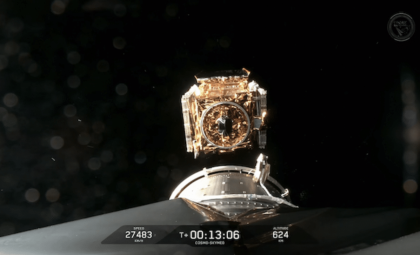
A key boost to ULA’s planned launch surge comes from its contract with Amazon, under which ULA will deliver 47 broadband satellites as part of Amazon’s satellite constellation project. This commercial venture will represent a significant share of the company’s upcoming launch lineup, strengthening ULA’s leadership in satellite deployment.
Besides commercial clients, ULA holds firm commitments with government partners such as the U.S. Space Force and the National Reconnaissance Office (NRO). These agencies represent multiple missions covered under the National Security Space Launch (NSSL) Phase 2 and Phase 3 contracts. Gary Wentz remarked, “Mark (Peller) and I will be laser focused during the next period on continuing to meet our customers’ needs and importantly, getting us set for a reliable and sustainable increased launch rate.”
With strong client relationships and a growing portfolio, ULA is strategically positioned to fulfill its launch frequency ambitions for the coming year.
Mapping ULA’s Strategic Objectives in 2026
Although ULA has encountered some setbacks in previous years, particularly during the Vulcan rocket’s certification, the company is optimistic about delivering on its 2026 plans. Emphasizing reliability and sustainability, ULA aims to increase launch frequency without compromising safety or quality. Interim CEO John Elbon, succeeding Tory Bruno, is leading efforts to enhance operational performance while addressing customer needs.
Gary Wentz explained ULA’s cautious mission prioritization during scheduling:
“That would go in after, as you described, after GPS and before SF-57 and that is our current plan. And then, if they were approved to fly crew, we have a slot in the October/November timeframe, where we would work between Space Force and NRO on priority to put a crew mission out there in October.”
With a clear roadmap and robust infrastructure, ULA is set to strengthen its position as a leading launch provider for both commercial and government customers throughout 2026 and the years ahead.
- Categories:
- Space




0 comments
Sign in to Comment