
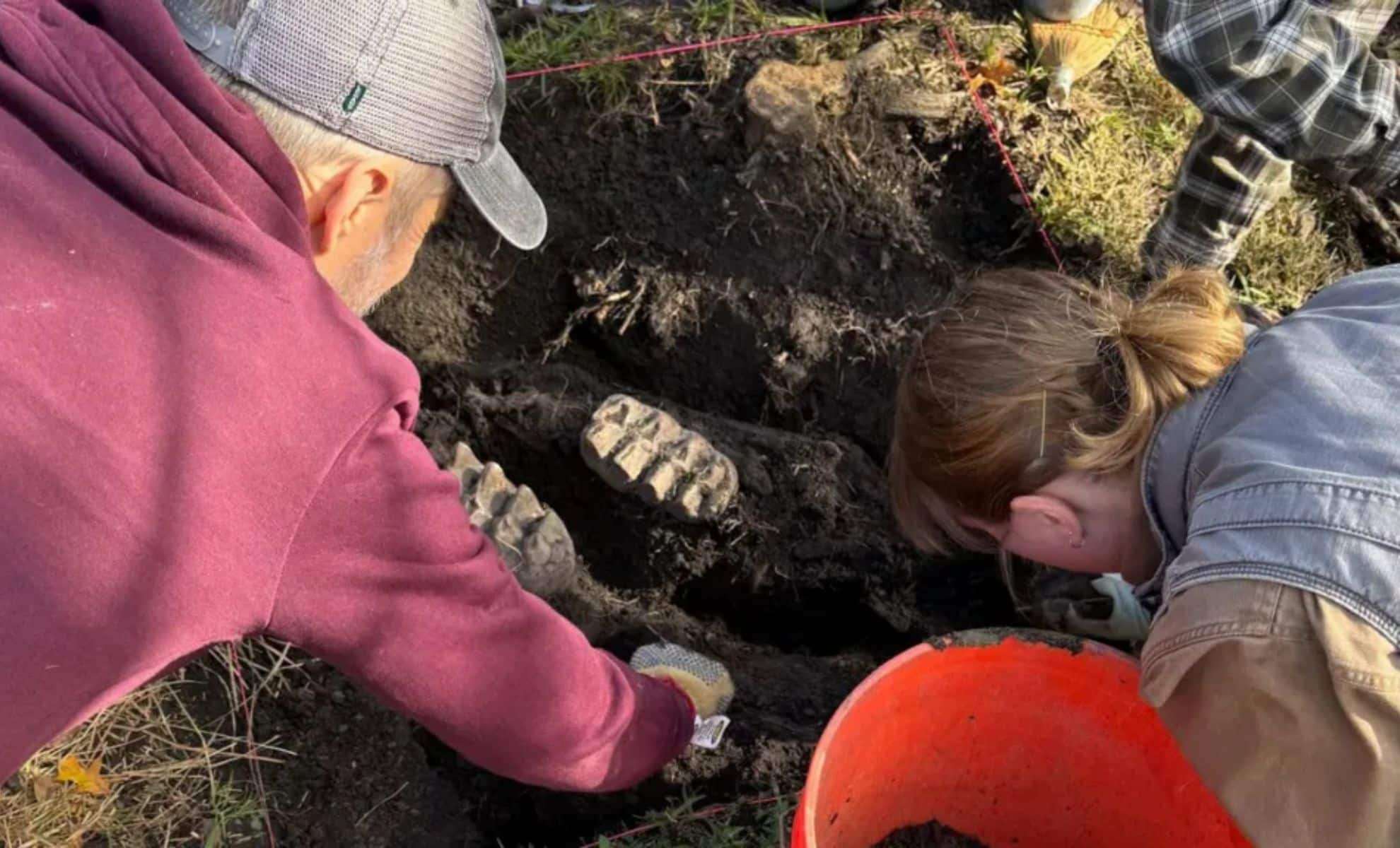
While searching for arrowheads on a farm in Iowa, a teenager stumbled upon a rare glimpse into the distant past. The unexpected find of a 34,000-year-old mastodon jaw is now captivating researchers and offering fresh insights into Ice Age fauna of North America.
An Accidental Encounter with Ancient Wildlife
Enjoying an outdoor excursion, the student uncovered a sizable bone fragment half-buried in the soil. Curious, he extracted the heavy piece and brought it back to his farmhouse. Experts later confirmed it was the jawbone of a young mastodon, an extinct elephant relative that once roamed wide expanses of North America.
Tiffany Adrain, who manages special collections at the University of Iowa Paleontology Repository, noted the fossil retained moisture that sunlight could have damaged. She stressed the importance of keeping it carefully wrapped and shielded. “He carried this heavy fossil tucked securely in his arms up to the farmhouse,” she recalled.

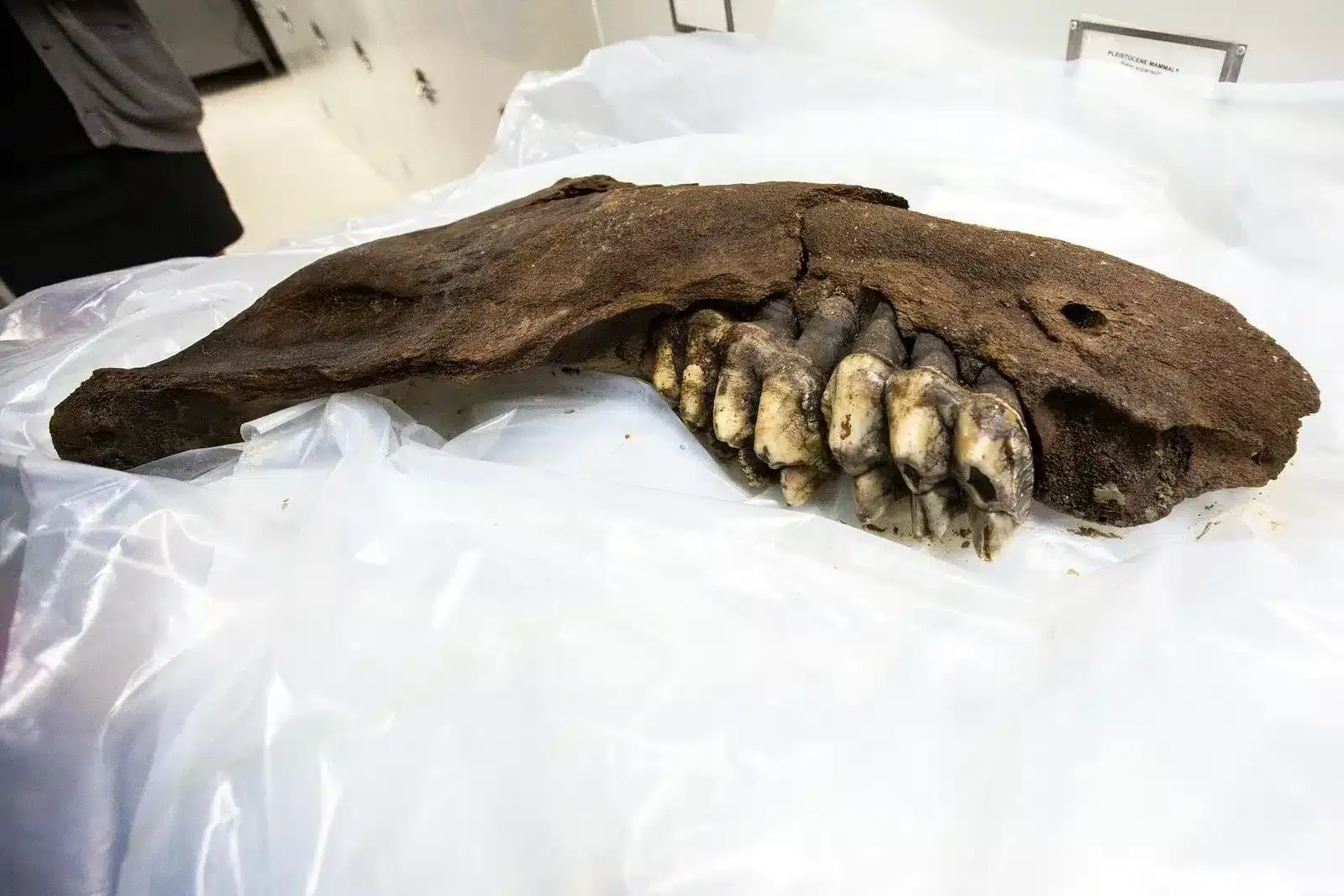
The jaw stretches about 30 inches in length and likely belonged to a mastodon youngling standing nearly 7 feet tall. The remarkable state of preservation required swift action to prevent deterioration.
Diverse Giants of the Ice Age
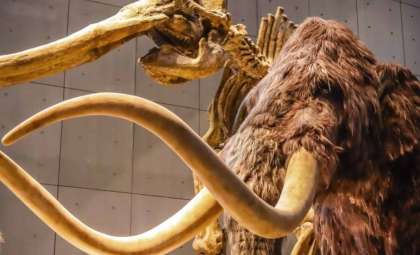
Mastodons are frequently confused with mammoths, yet the two differ notably in anatomy and habits. Unlike mammoths, who had tall teeth designed for grazing, mastodons possessed ridged molars that helped them grind branches and leaves. This dental distinction offers clues about their preferred environments of thick forests and wetlands.
Research illustrates these creatures thrived during the Late Pleistocene period, from roughly 129,000 to 11,700 years ago. Despite their 20-million-year presence across North and Central America, changes in climate and ecosystems ultimately led to their extinction.
In today’s Iowa, ancient giants like ground sloths, enormous bears, and mammoths once roamed freely. What is now farmland was once a dynamic habitat shaped by shifting vegetation and climate over thousands of years.
Youth Engagement Aids Fossil Preservation
Wrapping the jawbone in plastic immediately after discovery was crucial to its preservation. Exposure to light and air can cause fossils to degrade rapidly. Often, fossils are uncovered by erosion along watercourses but require prompt care to remain intact.
In this instance, the property owners donated the find to the Paleontology Repository, preferring privacy over publicity to protect their land. This ensures the specimen will be properly studied and accessible for ongoing scientific research.
The University of Iowa repository holds over a million artifacts, with nearly 148,000 cataloged through collaborative efforts involving local high school and college students. This hands-on partnership offers young learners valuable experience while helping researchers maintain a comprehensive archive of extinct species.
- Categories:
- News










0 comments
Sign in to Comment