
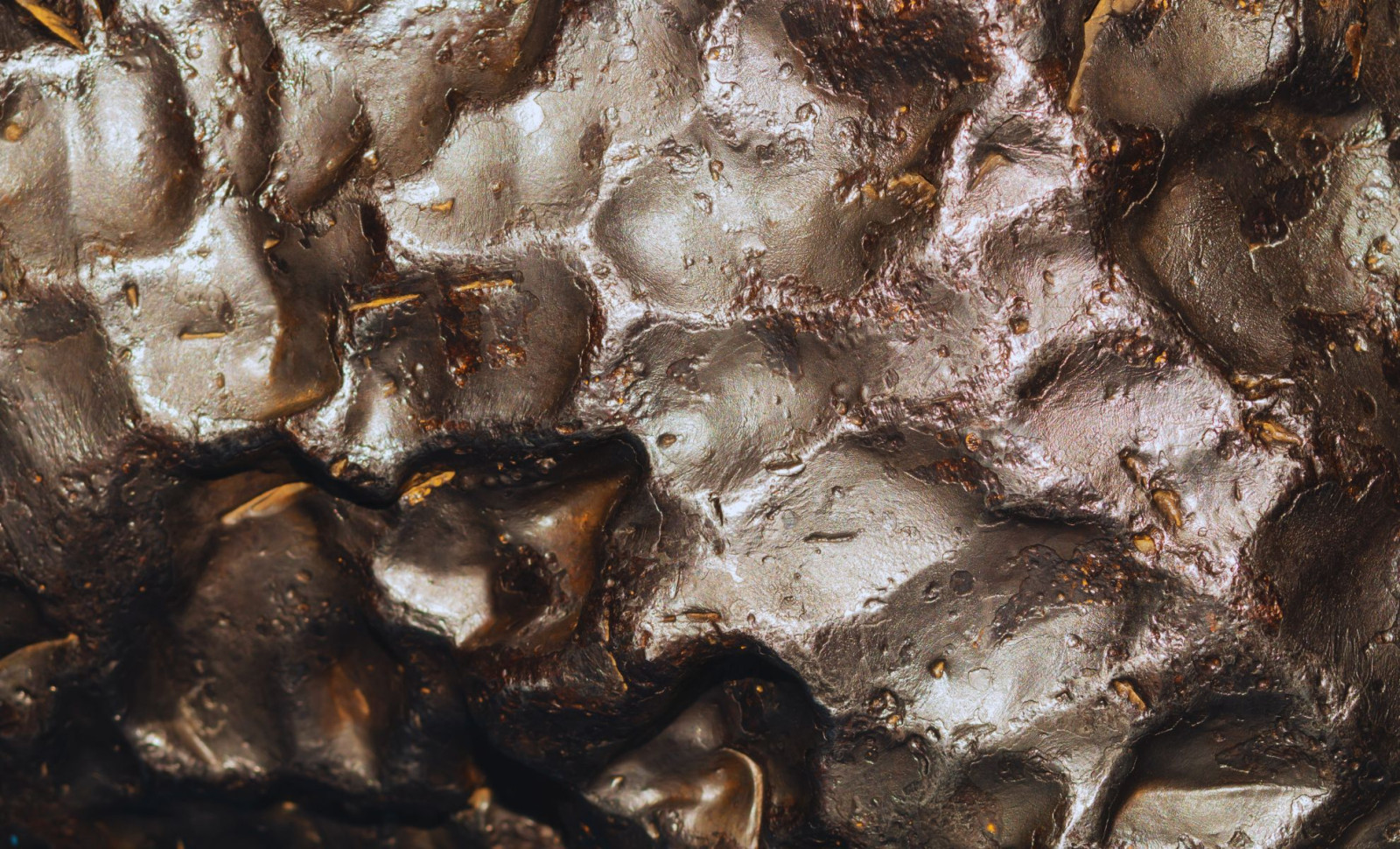
Two weathered artifacts from a Bronze Age hoard discovered in Spain have been confirmed to contain iron originating from a meteorite. This discovery marks them as the earliest known iron objects of meteoritic origin found on the Iberian Peninsula.
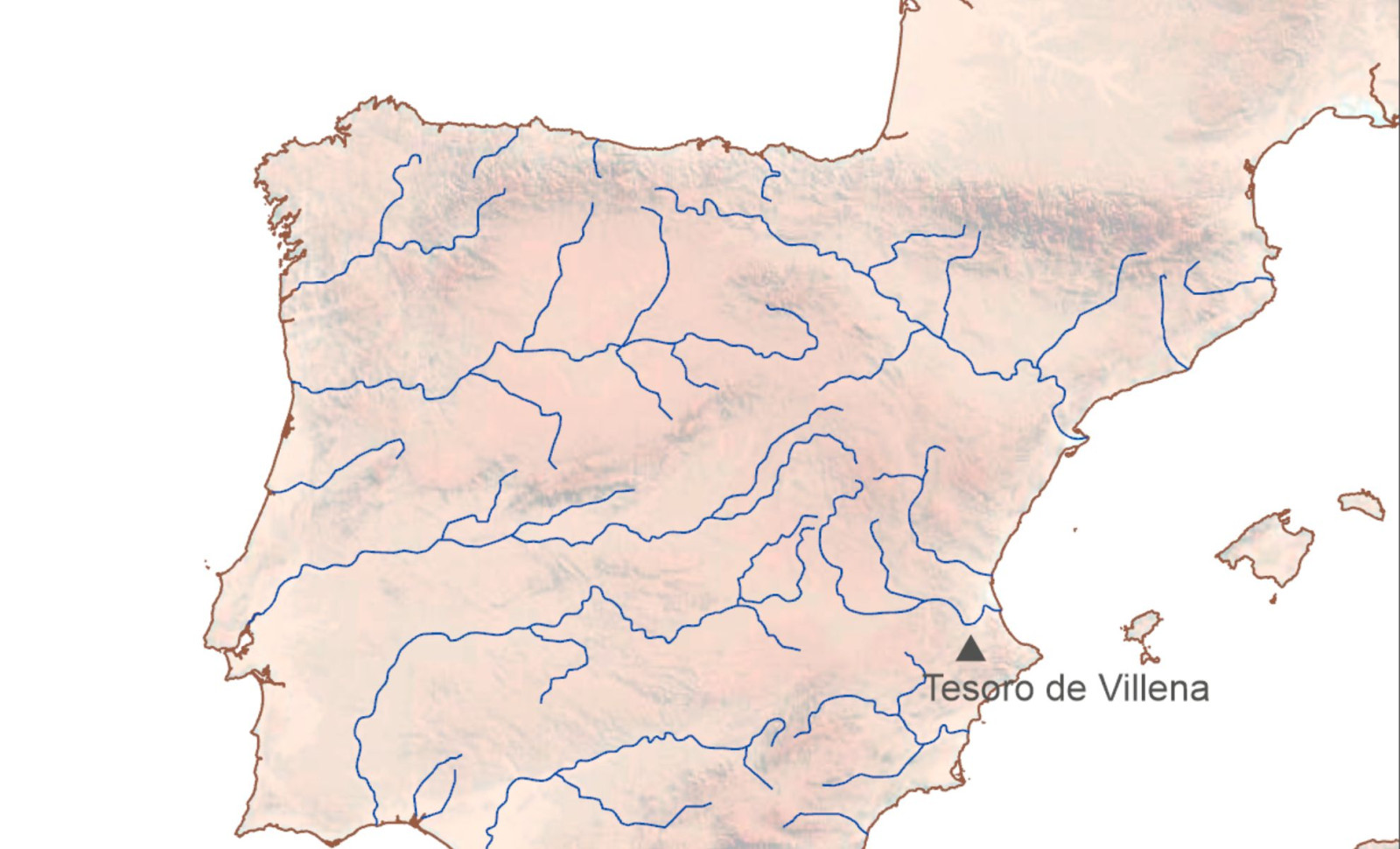
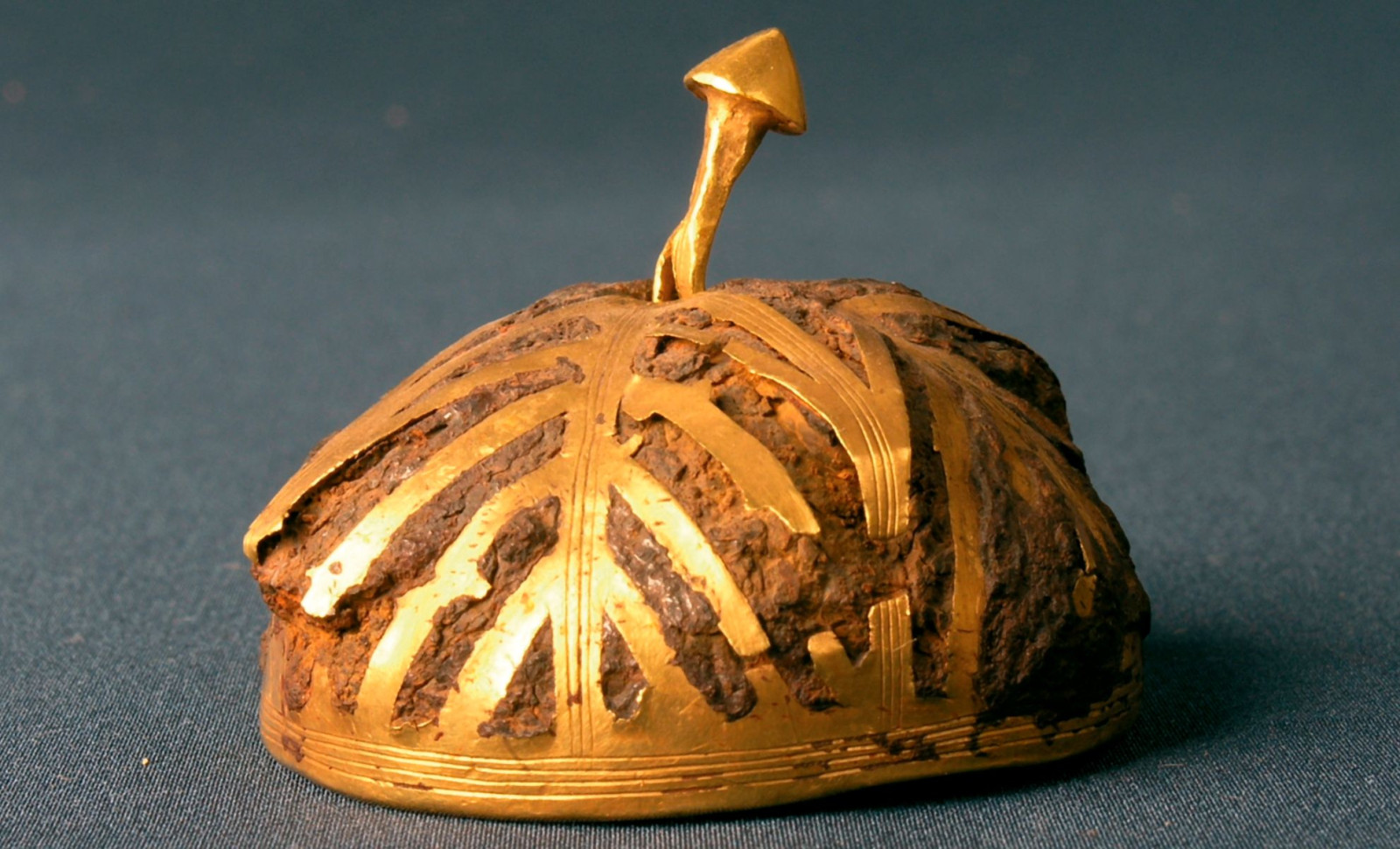
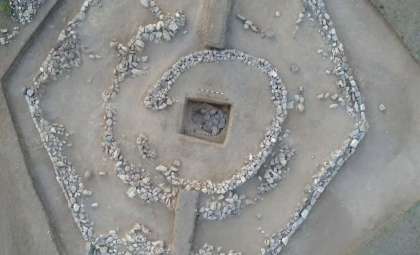
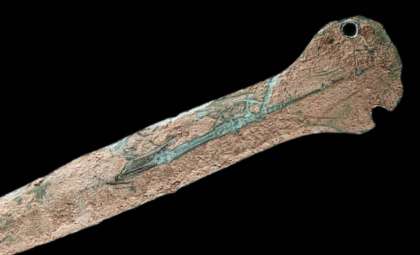
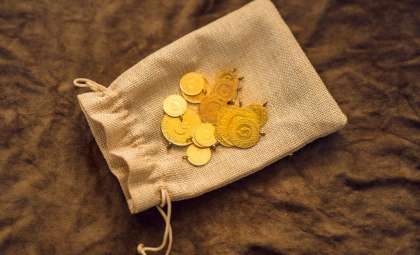
Excavated in 1963, the Treasure of Villena comprises an impressive array of 66 primarily gold items unearthed near Alicante, Spain. Nestled among the radiant gold pieces were a simple iron-like bracelet and a small hollow hemisphere, objects that had long puzzled researchers due to their unusual metallic composition. Recent analysis has now demonstrated these objects were fashioned from meteoritic iron—a rare extraterrestrial metal.
An Unexpected Metal Within a Golden Cache
While the majority of the Treasure of Villena consists of gold artifacts, the pair of items—a torc-shaped bracelet and a hemispherical piece believed to be a hilt or fitting—have been a mystery for years. A peer-reviewed investigation conducted by the Spanish National Research Council (CSIC) highlighted a chronological puzzle: the hoard dates to a period between 1500 and 1200 BCE, well before the Iberian Iron Age, which began approximately 850 BCE. The presence of iron in a Bronze Age context was therefore perplexing.

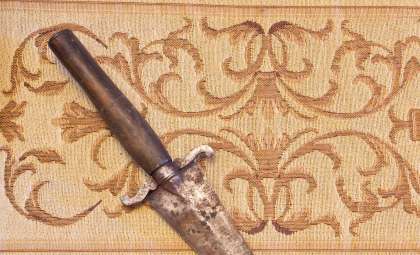
Initial theories suggested these iron-colored objects might have been introduced later, but deeper analysis opened the possibility they were crafted from a different type of iron. Globally, a few pre-Iron Age artifacts have been identified as containing meteoritic iron, such as the notable dagger discovered in the burial of Pharaoh Tutankhamun. Such items were rare and prized due to their uncommon origin and complex craftsmanship.
Chemical Analysis Links Artifacts to Extraterrestrial Iron
Led by Salvador Rovira-Llorens, former head conservator at Spain's National Archaeological Museum, researchers obtained authorization from Villena's Municipal Archaeological Museum to analyze these two items. Employing mass spectrometry, they examined their chemical makeup, emphasizing the nickel concentration, a hallmark of meteorite iron.
The 2024 study reported that the evidence ‘‘strongly indicates’’ the metals originated from meteoritic sources. Elevated nickel levels exceeded what could be expected from earthly iron, even considering corrosion effects. Although corrosion complicated precise measurements, the data closely matched that of other confirmed meteoritic iron artifacts found worldwide.
A Significant Breakthrough in Iberian Archaeometallurgy
Should subsequent research confirm these results, the artifacts would represent the first authenticated meteoritic iron items identified within the Iberian Peninsula.
The team concluded that both objects align with a Late Bronze Age timeframe, situating them solidly within the original context of the Treasure of Villena. Their presence within such a prestigious collection highlights the likely high status connected to meteoritic iron during that era.
While the study encourages further, non-destructive analysis to refine these findings, it already challenges existing views on early Iberian metalwork and the potential importance of meteorite iron. Rather than isolated exceptions, the bracelet and hollow hemisphere suggest a wider cultural practice of valuing and incorporating meteoritic metal into some of the most ceremonial and elite artifacts of the period.
- Categories:
- News




0 comments
Sign in to Comment