
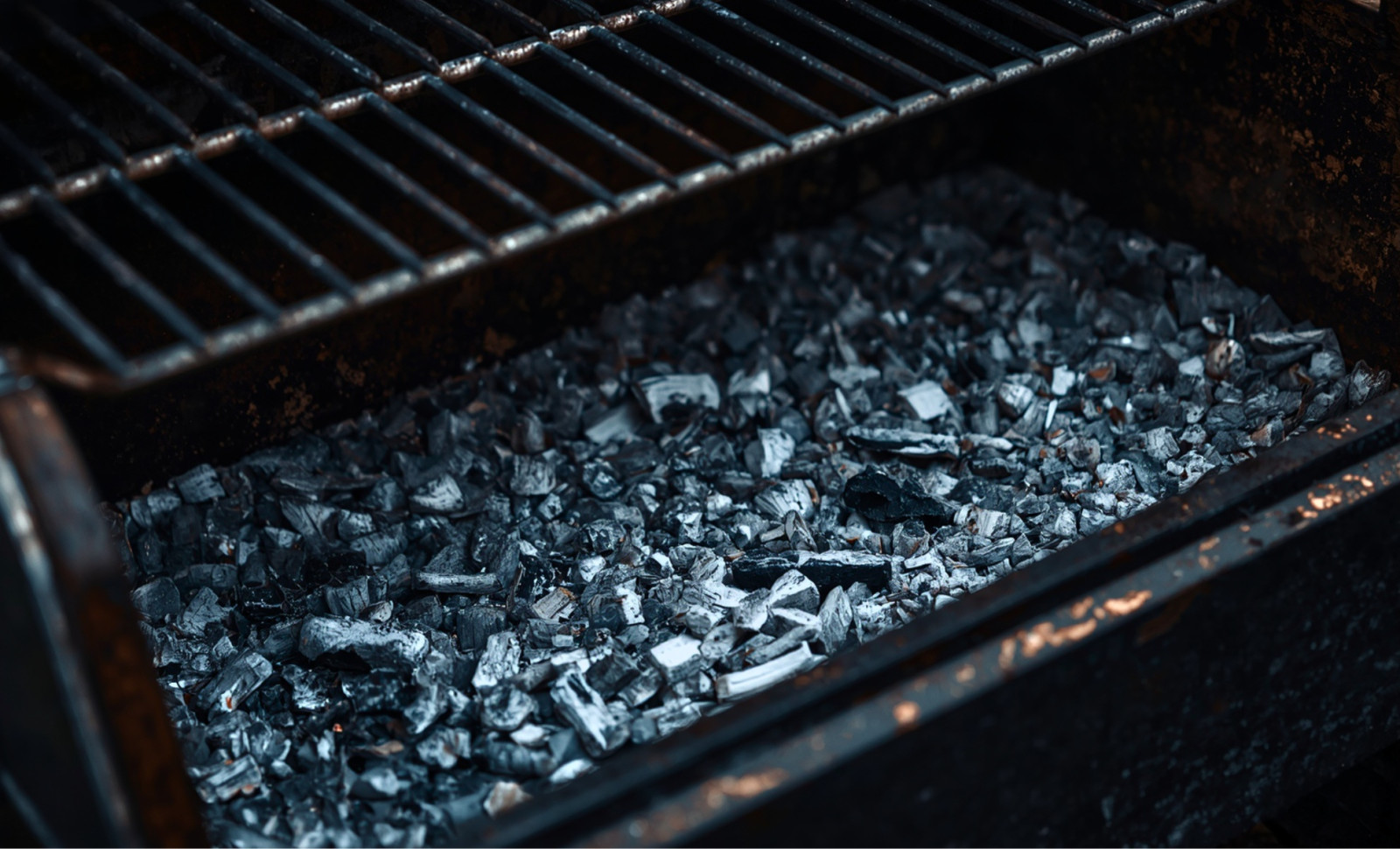
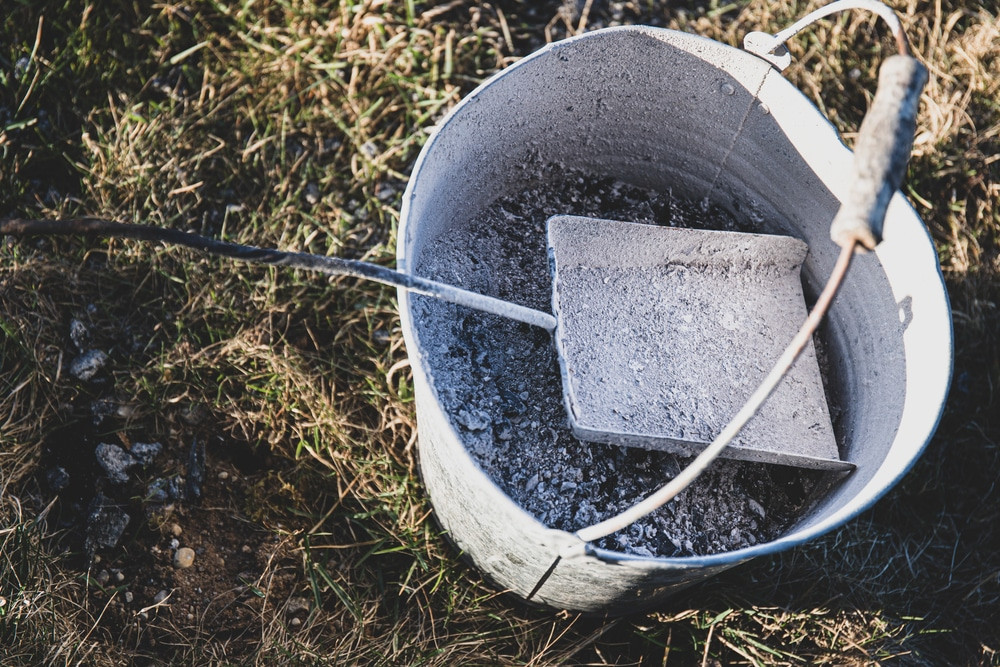
Many discard the remnants of a backyard fire without realizing that the ashes left behind can enhance garden soil, protect plants from diseases, and substitute for commercial lime at no expense. Burning a cord of firewood typically produces around 20 pounds of ash, much of which ends up in landfills.
Wood ash is rich in calcium, often exceeding 20%, making it a key nutrient. It also contains potassium, vital for promoting blooms and fruit, at levels up to 5%. Additionally, it holds magnesium, phosphorus, sulfur, iron, zinc, and boron. While nitrogen and sulfur gases are released during burning, all other nutrients remain in the ash.
It's worth noting that hardwoods like oak and maple generate more mineral-dense ash compared to softwoods. Moreover, the potassium concentration is higher in ashes from younger, sap-rich wood.

How Ash Benefits Soil Composition
During combustion, wood produces carbonates that neutralize acidic substances in soil, raising the pH. This effect is similar to agricultural lime, though ash has approximately half the neutralizing power. The University of Wisconsin Extension explains that four cups of wood ash can substitute for one pound of lime. Unlike limestone’s slow reaction over months, wood ash dissolves quickly in water and changes soil pH rapidly.
This rapid action makes wood ash attractive but requires careful handling. While excess lime takes time to harm soil, too much ash can push soil pH to harmful levels in just one season.
The Royal Horticultural Society highlights a key use case: under persistent club root infestations in brassica plants, ash raises soil pH near 7.5, making it unfavorable for the pathogen responsible. Club root, which distorts the roots of cabbage, kale, and Brussels sprouts, can survive in soil for many years, and adjusting pH is one of the limited strategies gardeners can utilize.
Keep in mind that potassium in wood ash dissolves and can be washed away by rain, reducing its effectiveness when left exposed to moisture.
Applying Wood Ash Correctly
Linda Brewer from Oregon State University Extension recommends using wood ash primarily on acidic soils with low potassium levels. Conducting a soil test before application ensures your garden truly benefits.
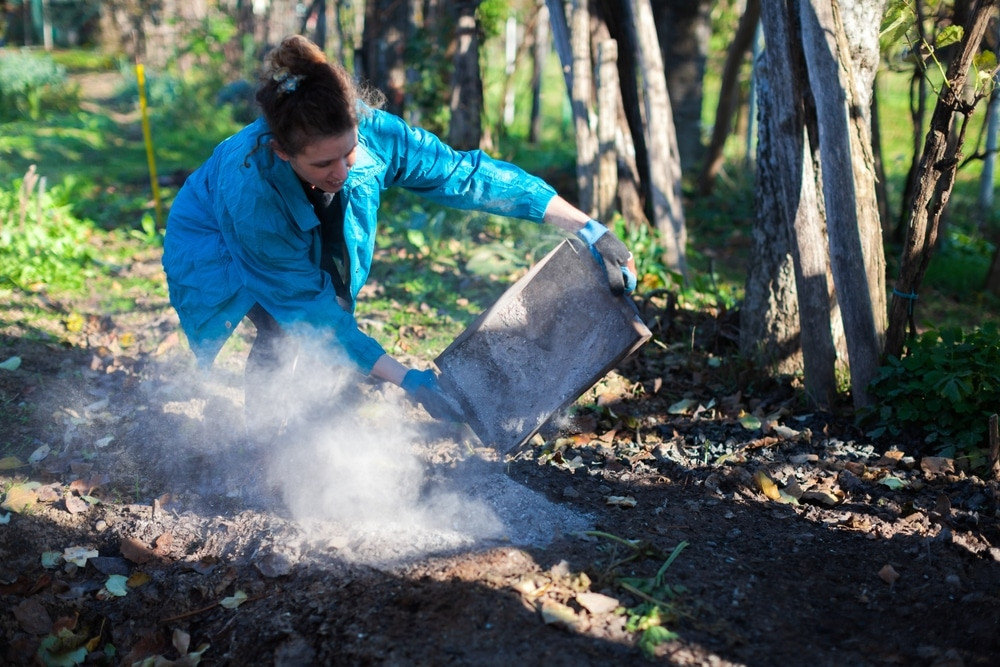
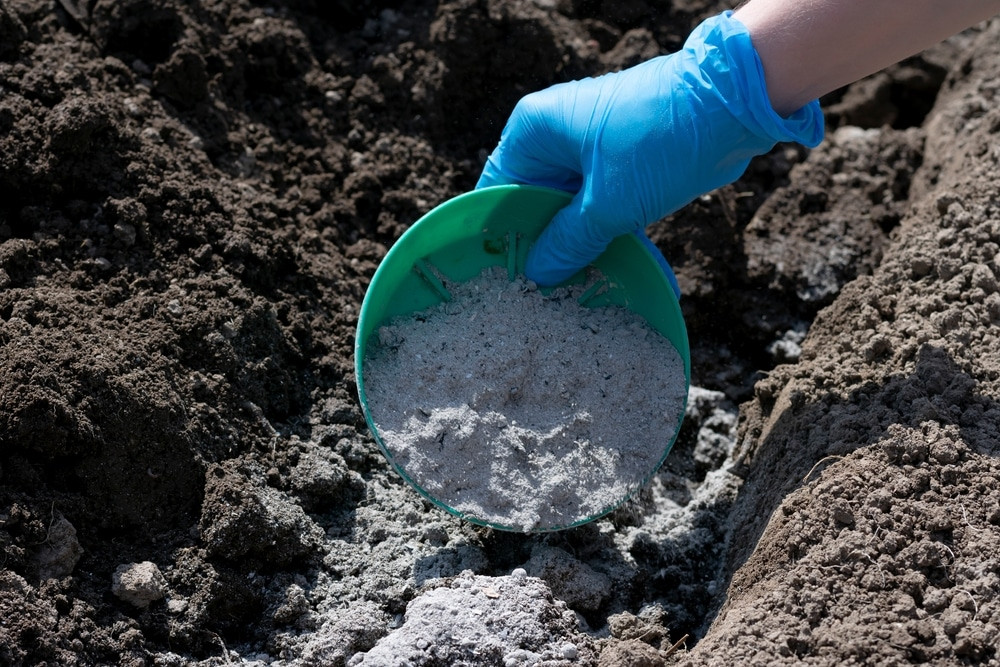
The University of Wisconsin Extension suggests a yearly maximum of about 7 to 9 kilograms per 90 square meters. Distribute the ash over garden beds during winter, mix it into damp soil in early spring with a rake, then allow it to neutralize the pH before planting. Applying ash on dry, windy days risks airborne dust irritating skin and eyes rather than reaching soil.
The RHS advises 50 to 70 grams per square meter for vegetables, incorporated into soil late winter. Both sources agree ash should be added sparingly to compost piles—no more than a single thin ash layer per 15 centimeters of other materials. Ash also reduces odor and acidity in compost, but excess amounts can raise alkalinity to levels that stall decomposition and damage plants when compost is spread.
Oregon State University Extension warns against creating concentrated ash piles, which may leach salts harmful to roots.
Plants Unsuitable for Ash Use
Plants that thrive in acidic environments should not receive wood ash. According to the University of Wisconsin Extension, species including blueberries, azaleas, rhododendrons, birches, red maples, and pin oaks may suffer due to elevated pH, which causes chlorosis—a yellowing of leaves from inhibited iron and nutrient uptake.
Potatoes are also sensitive, as both the University of Wisconsin and RHS caution that alkaline conditions promote potato scab, a bacterial disease that mars the tuber’s surface.
Maintaining soil pH between 5.0 and 5.2 reduces scab risk for potatoes. Therefore, avoid ash in beds prepared for potato planting in spring. Similar caution applies to most fruit crops that prefer slightly acidic soil.
Additionally, Brewer advises not to apply ash during seeding as its salts can damage young roots.
Choosing the Right Ash for Your Garden
The origin of ash is critical. Only ash from untreated, natural wood is suited for gardens. Ash from painted wood, pressure-treated materials, oil-contaminated sources, plastics, or household waste may contain toxic metals and chemicals that accumulate in soil and enter edible plants.
The RHS strongly discourages using coal or anthracite ash, as it lacks nutrients and can contaminate soil. For barbecue residues, ash from lumpwood charcoal is safe and can be used like wood ash, but ash from briquettes or mixed fuels should be avoided.
Safety gear is essential when handling wood ash—use gloves, long sleeves, goggles, and dust masks. Its fine particles are highly alkaline and can irritate skin, eyes, and lungs similarly to bleach or lye. Gardeners who regularly use wood ash should test soil pH yearly to keep it under 7.5, beyond which many plants struggle to access nutrients.
- Categories:
- News











0 comments
Sign in to Comment