
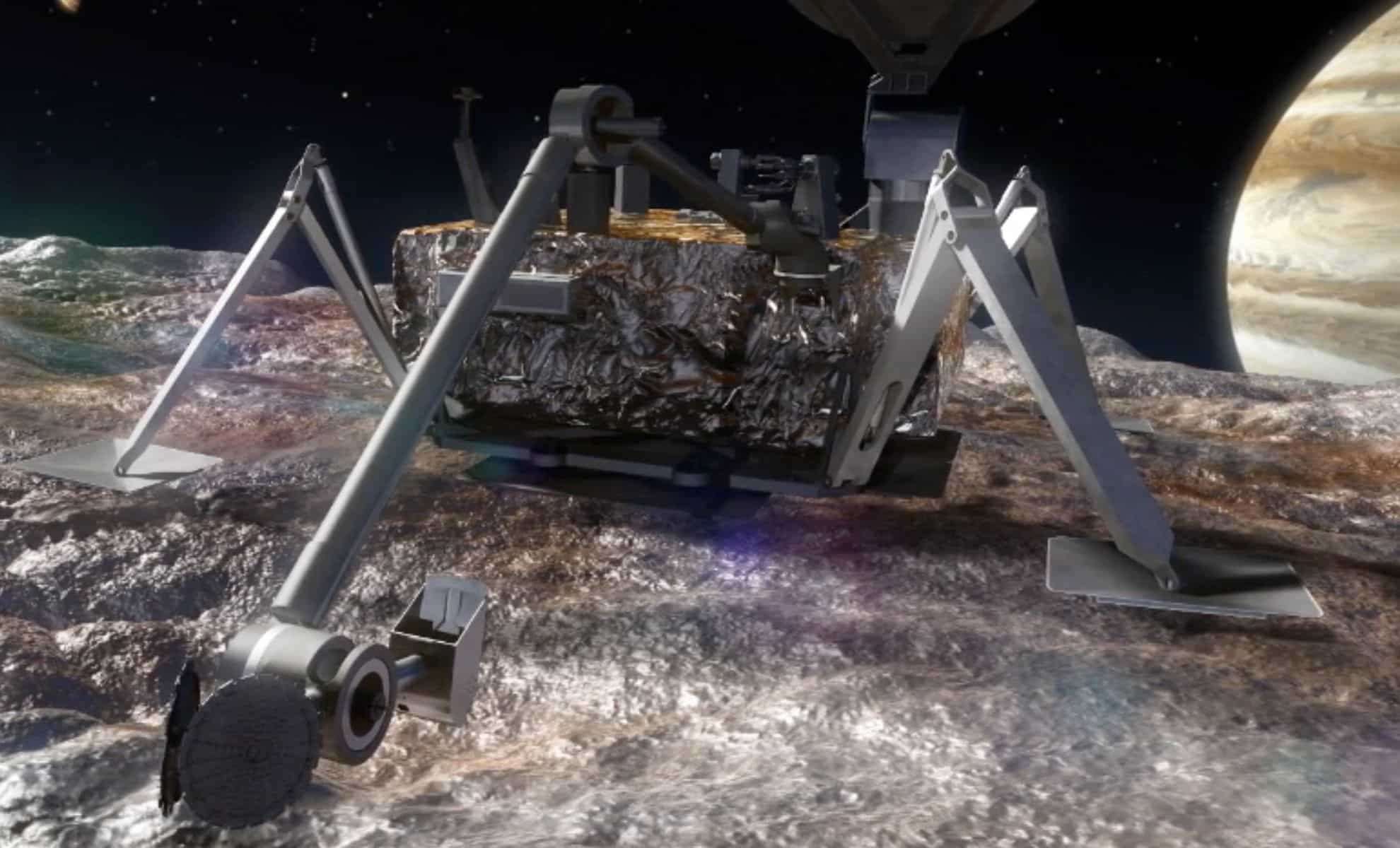
NASA has encountered a major obstacle in its plan to investigate Europa, one of Jupiter’s most captivating moons. The agency has officially called off the Europa Lander mission, which had been in development for more than ten years. This semi-autonomous robot was crafted to explore Europa’s icy surface and search for signs of life. Despite overcoming numerous technological hurdles, the project has been paused indefinitely due to a combination of formidable challenges.
Designed to Brave the Harshness of Europa
The Europa Lander was far from a conventional space probe. Engineered by NASA’s Jet Propulsion Laboratory (JPL), it incorporated advanced materials and radiation defense to endure Europa’s extreme environment, where temperatures plummet from -134°C near the equator to -223°C near the poles.
Its standout capability was mobility via four robust legs, enabling it to navigate the uneven terrain, extract samples, and drill beneath the icy surface. This walking mechanism was a strategic departure from the typical rovers, allowing the lander to operate semi-independently—critical due to Europa’s vast distance of 568 million miles from Earth which causes significant communication delays.

Overcoming Daunting Barriers to Europa
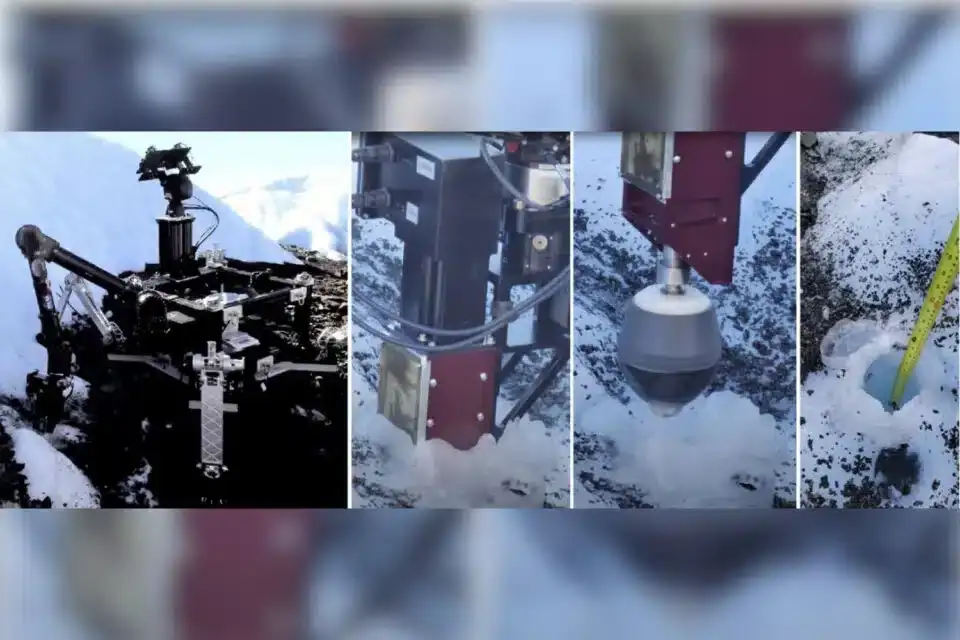
Although the lander passed rigorous Earth-based tests, including simulations on Alaska’s frozen landscapes, NASA concluded that deploying it posed too great a risk. Major challenges cited included intense radiation, vast travel distance, and limited visibility windows. These issues were exacerbated by substantial budget cuts reducing NASA’s funding from $7.3 billion to $3.9 billion, making the mission financially unfeasible.
As a result, the Europa Lander was shelved despite its integral role in NASA’s quest to seek life beyond Earth.
Shifting Focus to Enceladus
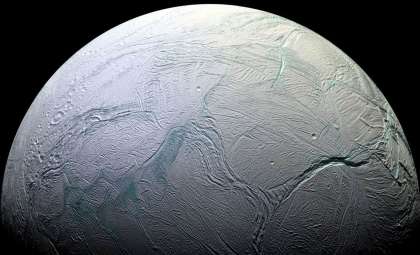
With Europa now off the table, NASA engineers at JPL are proposing to repurpose the lander for a mission to Enceladus, a moon orbiting Saturn. Like Europa, Enceladus is believed to host a subsurface ocean beneath its icy shell, making it another prime location in the search for extraterrestrial life.
Enceladus presents more manageable conditions for robotic exploration, featuring significantly lower radiation levels and more favorable deployment opportunities. While still frigid, these factors increase the feasibility of sending the Europa Lander there.
Though the lander’s journey to Enceladus isn’t confirmed, this prospect offers a promising new chapter in astrobiology. Researchers remain hopeful that this versatile robot can ultimately contribute to unraveling the mysteries of life beyond our planet.
- Categories:
- News









0 comments
Sign in to Comment