
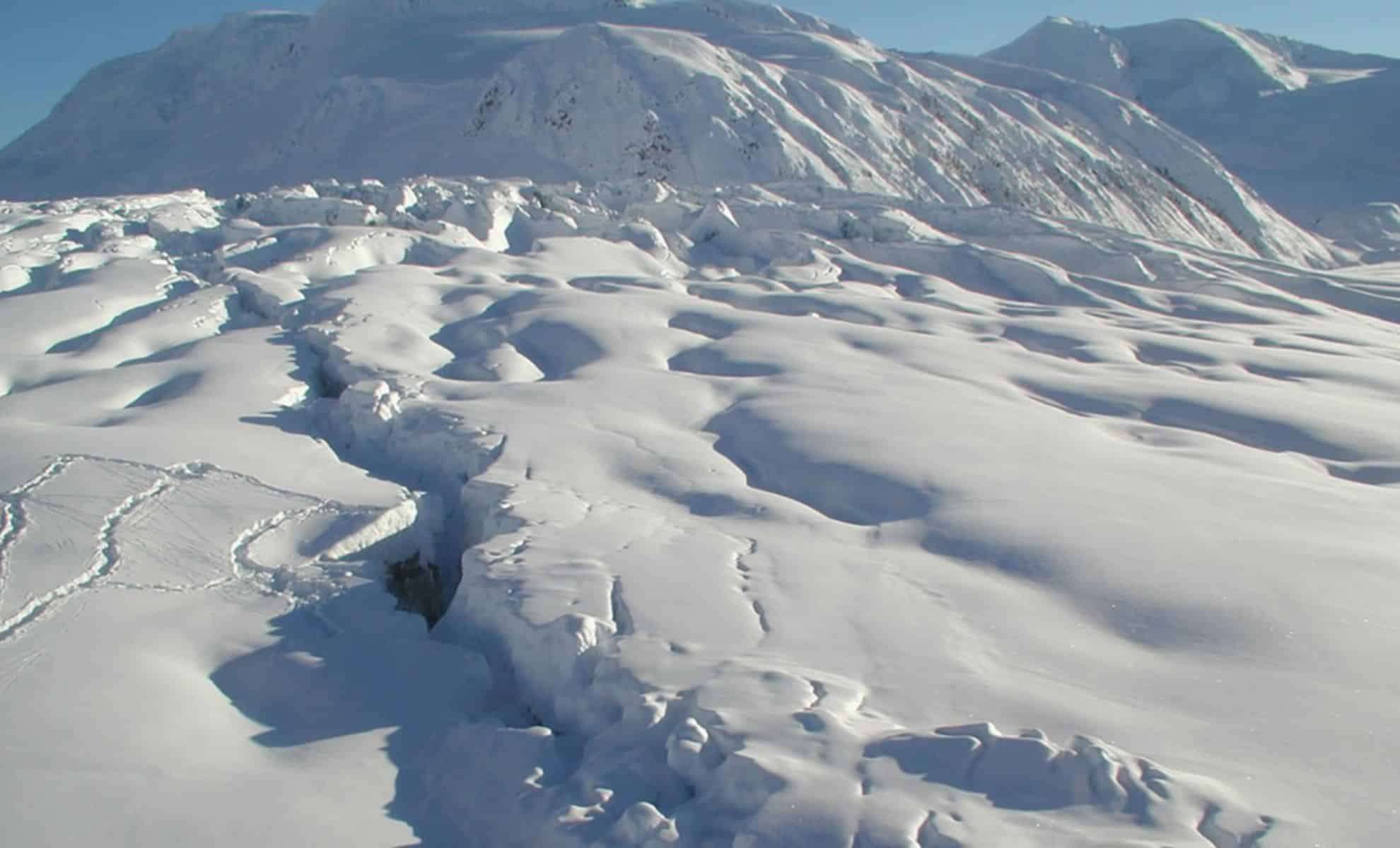
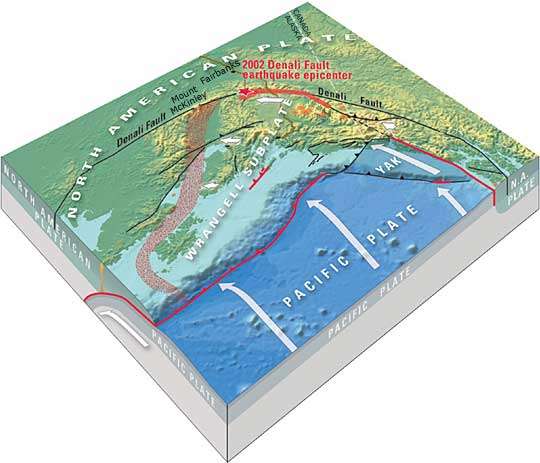
For many years, the Denali Fault in Alaska, stretching over 620 miles, has presented a complex geological enigma. This extensive strike-slip fault, where tectonic plates glide sideways past each other, hinted at significant tectonic activity shaping the western edge of North America. New research has now illuminated the mystery, showing that three widely separated geologic regions were once connected as part of a single suture zone that merged ancient landmasses into the North American continent.
Under the leadership of Sean Regan from University of Alaska Fairbanks, the latest study offers fresh perspectives on the tectonic forces responsible for breaking apart these regions. Employing advanced techniques and extensive geological data, the researchers reconstructed the history of immense crustal shifts, reversed metamorphic processes, and dynamic Earth crust mechanisms.
A Consolidated Geological Record Emerges
The Denali Fault extends more than 1,200 miles, crossing into Canada’s Yukon Territory as well as Alaska. Its intricate geology has made it a key issue for scientists examining North American lithosphere formation. Three particular locations—the Clearwater Mountains in Alaska, Kluane Lake in Yukon, and the Coast Mountains near Juneau—have long posed questions about whether they shared a common origin or formed independently.

Regan’s team found evidence demonstrating these areas were once united as a terminal suture zone, where two tectonic plates collided and bonded. This zone, created between 72 and 56 million years ago, marked the final amalgamation of the Wrangellia Composite Terrane, an ancient oceanic plate, into North America. Over time, tectonic activity caused lateral displacement along the fault, fragmenting the suture zone and dispersing its sections over hundreds of miles.
“Our grasp of lithospheric development along North America’s western boundary is becoming more refined,” explained Regan. “Reconstructing strike-slip faults like the Denali Fault is crucial to this understanding.”
Inverted Metamorphism: A Tectonic Signature
A key clue linking these locations lies in the presence of inverted metamorphism. Normally, rocks exposed to higher temperatures and pressures lie deeper in the Earth’s crust, with those formed under milder conditions found above. Yet, in these territories, this order is reversed, with high-grade rocks sitting atop rocks that experienced lower-grade metamorphic conditions.
Regan noted, “We demonstrated that the three distinct inverted metamorphic belts developed simultaneously under comparable conditions. They share not only timing but also similar metamorphic paths.”
By studying monazite—a rare earth-element-bearing mineral—Regan’s group mapped the thermal and pressure history of rocks in each region. The distinctive behavior of monazite enabled them to confirm the shared geologic evolution of these once-connected areas.
The Ongoing Influence of the Denali Fault
The Denali Fault’s role is significant beyond its deep-time geological story. As an active fault, it remains a source of potent earthquakes and continues shaping Alaska’s terrain. Understanding its formation history offers vital knowledge about the tectonic forces still molding the region.
This fault is also an invaluable site for investigating plate tectonics. Its involvement in the assimilation of the Wrangellia Composite Terrane exemplifies how distant land fragments become part of larger continental plates. Such insights contribute profoundly to reconstructing Earth’s tectonic past and advancing comprehension of continental evolution.
Decades of Geological Exploration
This discovery builds upon research stretching back decades. A 1993 study by scientists from University of Alberta and University of British Columbia first noticed similarities among Denali Fault regions but didn’t identify them as a cohesive structure.
“It surprised me that the 1993 paper didn’t gain wider recognition sooner,” Regan reflected. “I've kept it displayed for years because it was truly ahead of its time.”
Regan’s work integrates contemporary analytical methods with earlier findings, offering a fuller understanding of the fault’s evolution. By linking data across areas, the team has revealed a broader tectonic narrative.
Broader Geological Significance
The Denali Fault study has important repercussions for grasping plate tectonics and continental growth. Pinpointing the suture zone that incorporated the Wrangellia Composite Terrane into North America sheds light on the mechanisms that shape continents.
This research underscores the value of interdisciplinary collaboration in tackling complex geological challenges. Combining fieldwork, mineralogical evidence, and tectonic modeling, Regan’s group provides a blueprint for investigating fault systems worldwide.
“The connections become clear only when deformation along the Denali Fault is reconstructed,” Regan remarked. This work reminds us of the powerful, ever-changing forces operating beneath Earth’s surface.
- Categories:
- News






0 comments
Sign in to Comment