
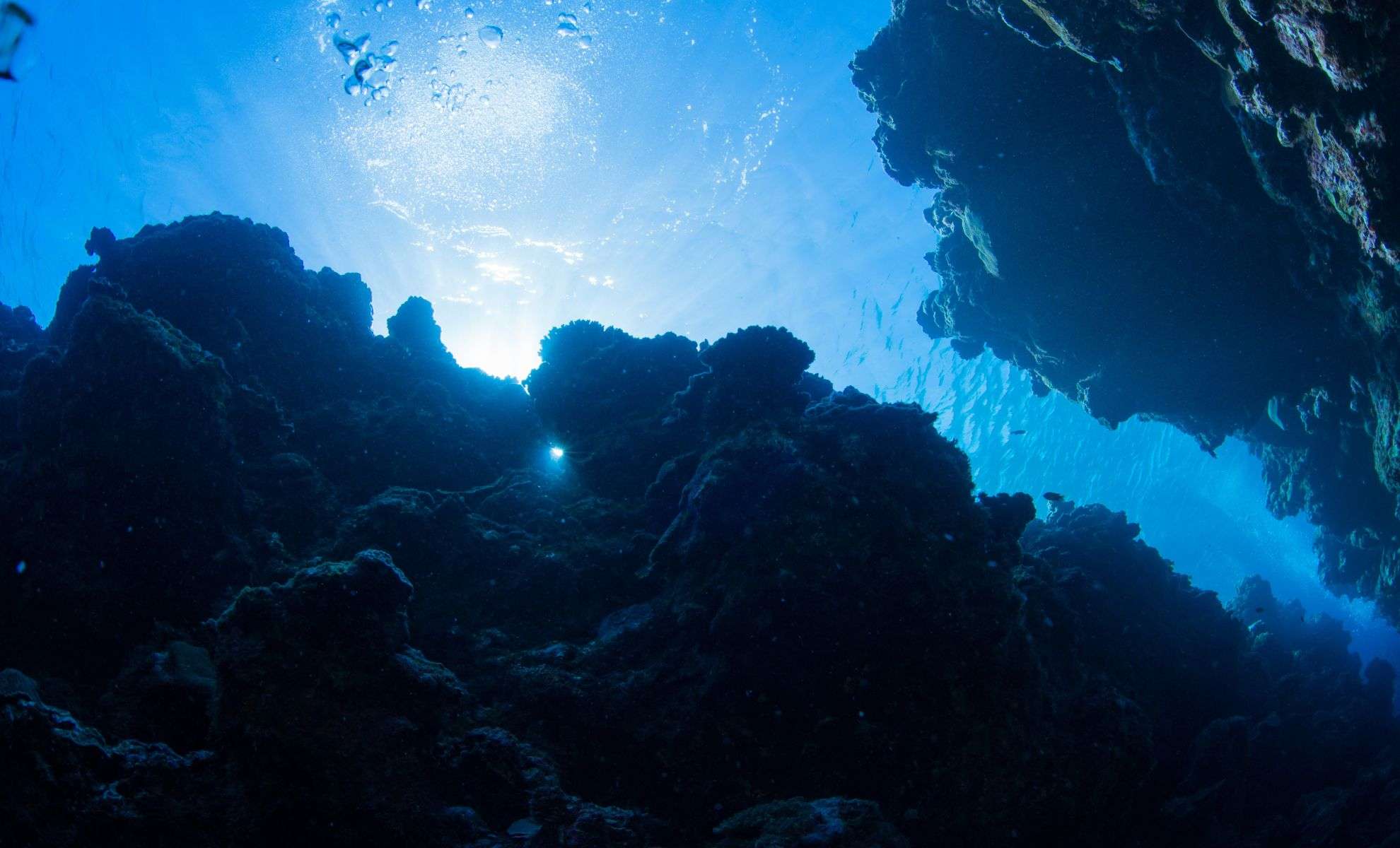
For nearly 50 years, an enigmatic underwater sound has reverberated through a secluded section of the Pacific Ocean, puzzling researchers and ocean scientists. This steady, rhythmic acoustic signal inspired numerous studies and theories, but only now have scientists pinpointed its source: a long-forgotten event from over four decades ago.
An Enigmatic Sound Beneath the Ocean Surface
The first recordings of this peculiar noise originated within the Clarion-Clipperton Zone (CCZ), an expansive and mineral-rich area in the central Pacific Ocean. Known for its profound silence, great depths, and limited biological exploration, this remote region is now increasingly eyed by the deep-sea mining sector.
The distinctive pulsing noise detected there did not align with recognized geological phenomena nor marine creature sounds. Despite continued monitoring, this mysterious acoustic pattern endured, lingering beneath the waves without an identifiable cause.

The Forgotten 1979 Mining Trial's Lasting Impact
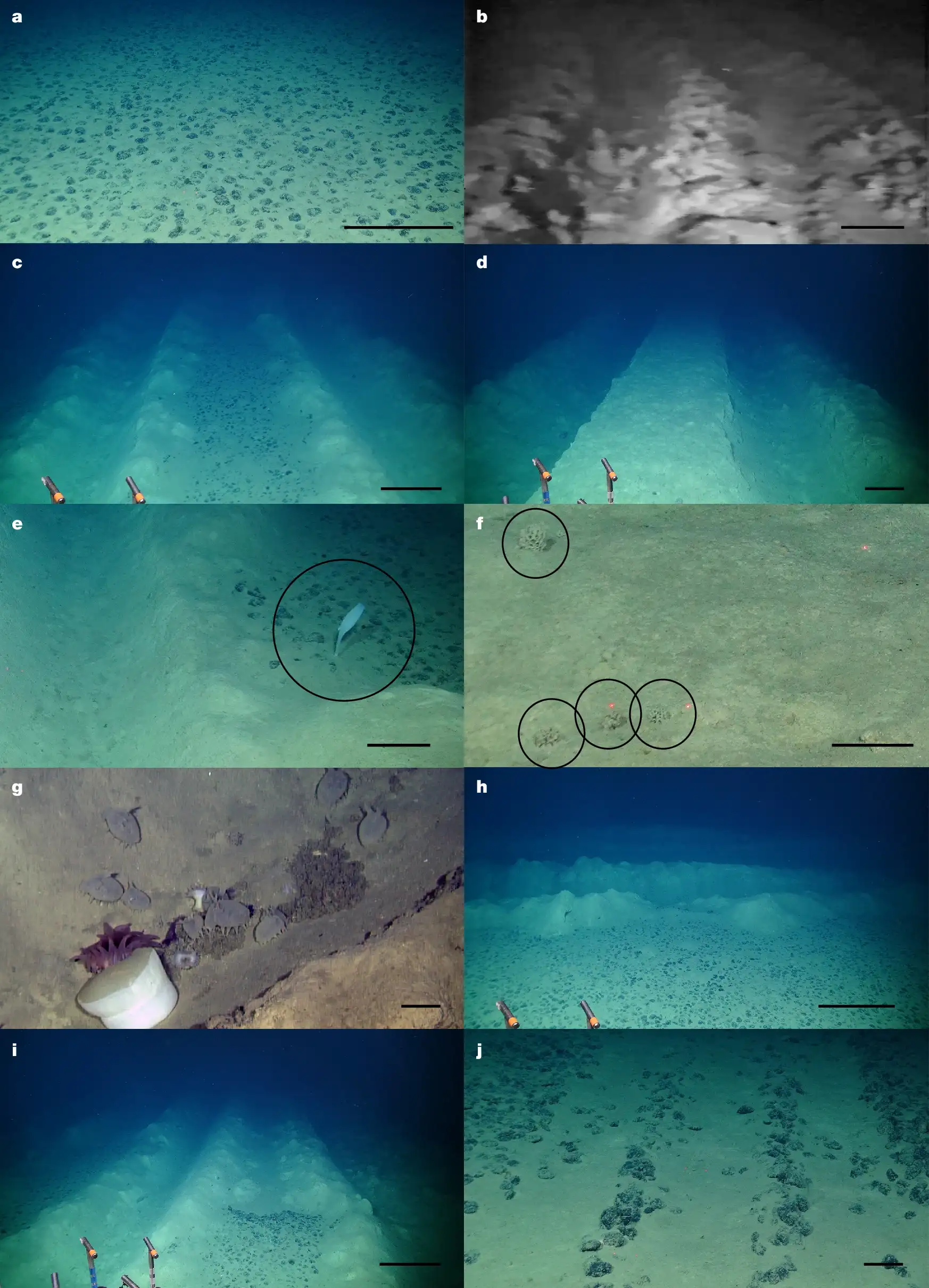
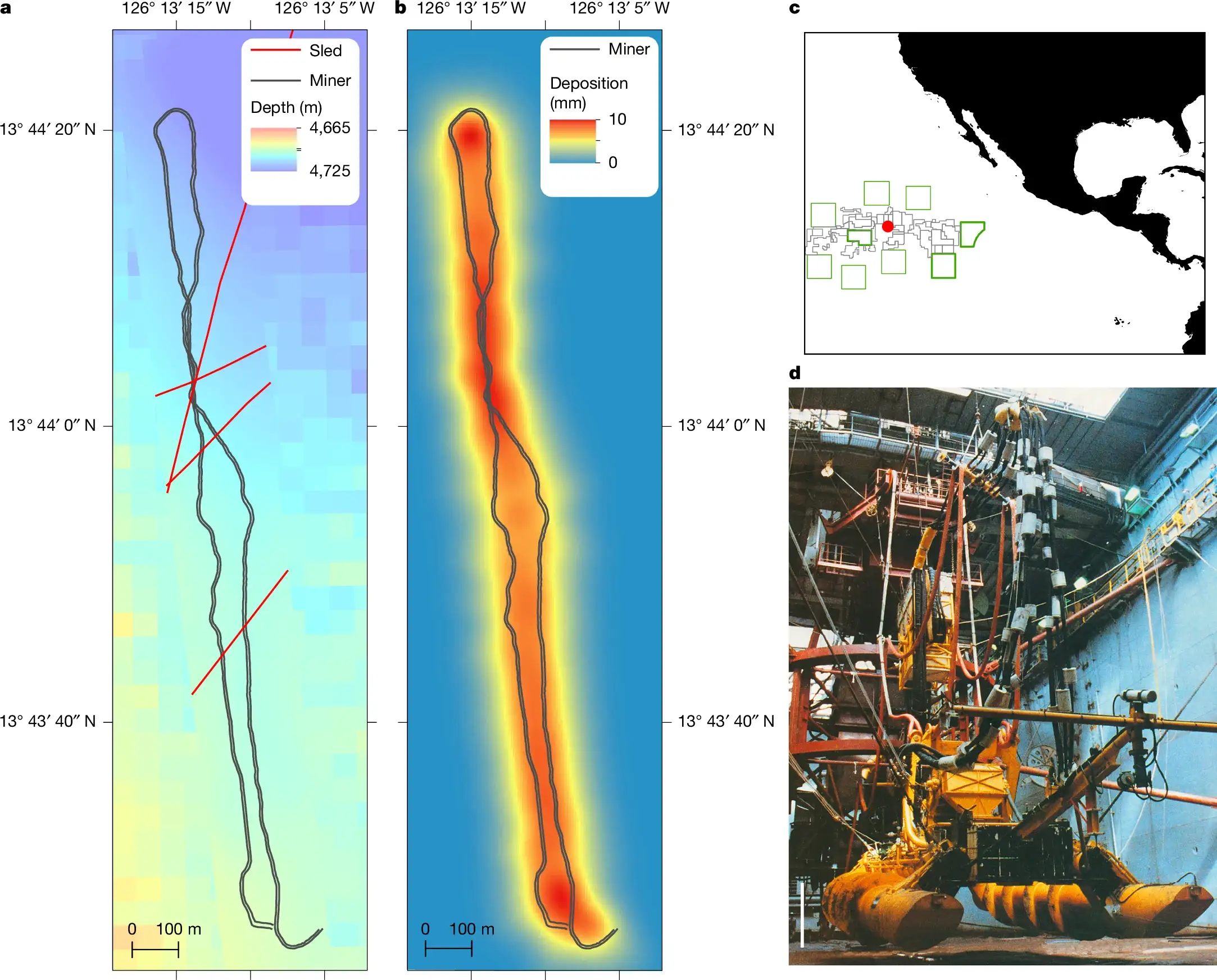
A recent Nature study, spearheaded by the National Oceanography Centre alongside London’s Natural History Museum, links the persistent sound to a deep-sea mining test conducted in 1979.
At the time, the experiment sought to evaluate the economic feasibility of harvesting polymetallic nodules—rich in nickel, copper, manganese, zinc, and cobalt—from the ocean floor. Heavy machinery scraped and collected material from the seabed, then was removed after the trial. Yet, unexpected effects endured.
Dr. Adrian Glover, a co-author of the publication, explained: “The marks left by that mining machinery nearly 44 years ago look as fresh as if they were created yesterday.” Beyond the visible seabed disturbance, the equipment also left a unique acoustic imprint now believed to be responsible for the enduring mysterious underwater noise.
Ongoing Seafloor Effects Decades Later
Although the 1979 operation was brief, its impact remains obvious. WION reports the seabed in the CCZ still exhibits noticeable traces of that test, and the unusual sound, attributed to unsettled sediments and residual vibrations, can still be detected today.
Marine ecosystems were also affected. Many species that once thrived in the vicinity vanished following the mining activity. Some mobile organisms, such as xenophyophores, are beginning to return, but the original biological community has yet to recover fully.
Signs suggest a slow healing process is underway, but the area remains far from its original state. This research highlights how even limited human intervention can alter deep-sea environments for decades or longer.
The Growing Demand to Exploit Pacific Seafloor Resources
Interest in the Clarion-Clipperton Zone is intensifying as governments and corporations pursue deep-sea mining to secure metals critical for batteries and green technologies. Rising demand exacerbates pressure to explore and exploit these underwater mineral deposits.
However, this new finding — that a short-lived mining experiment from 1979 continues to generate unusual underwater sounds decades later — raises important environmental questions. If a modest trial left such a lasting footprint, large-scale industrial mining could pose even greater ecological risks. Moreover, the report revealed another unexpected discovery: the presence of oxygen in the deepest, sunless portions of the zone.
- Categories:
- News









0 comments
Sign in to Comment