
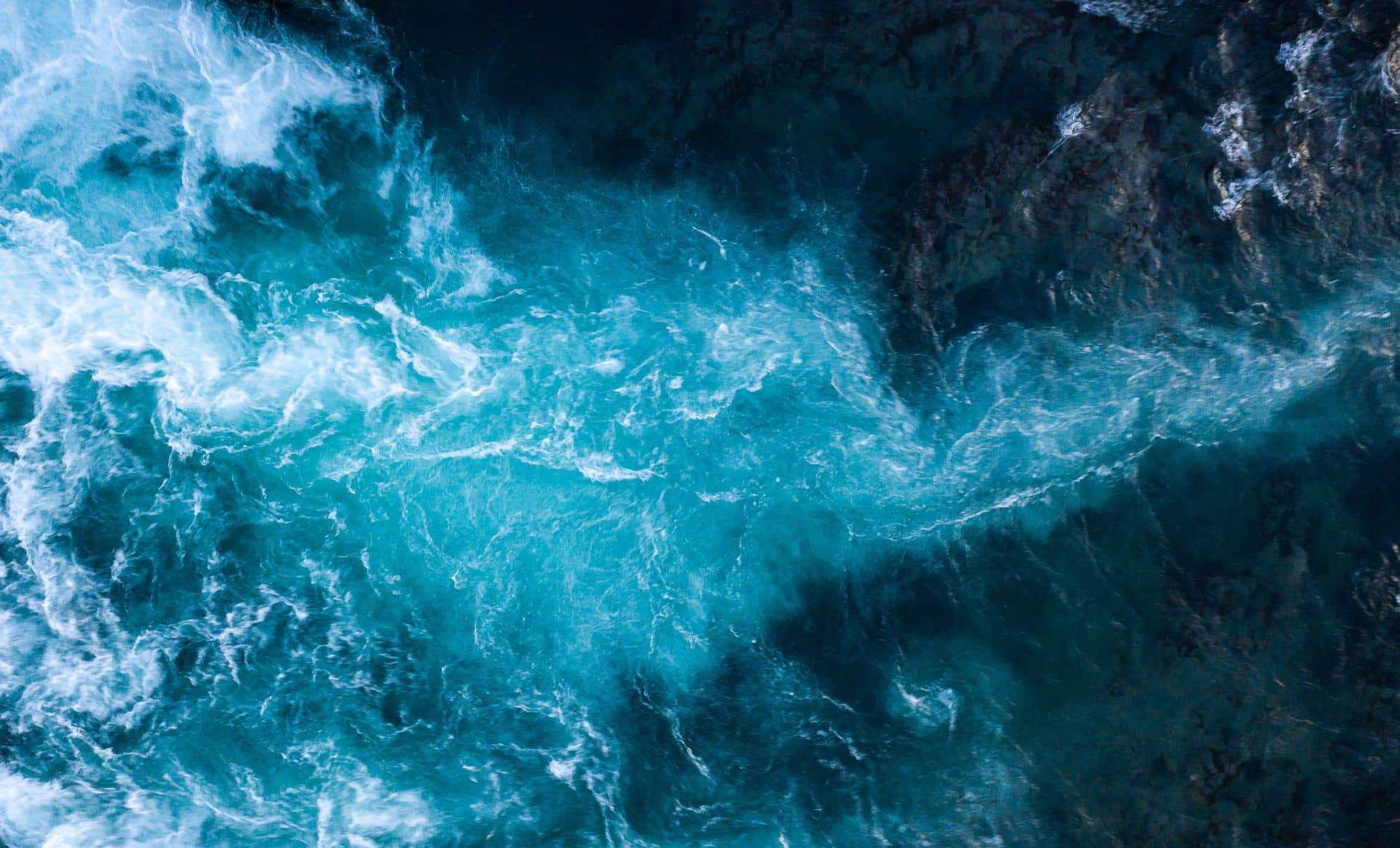
Situated deep in the North Atlantic, far from any coastline, the Sargasso Sea challenges traditional notions of a sea by existing without bordering land. A 2023 study in Frontiers in Marine Science highlights the importance of this extraordinary marine environment, which harbors expansive floating mats of Sargassum seaweed and serves an essential function in regulating climate and supporting marine biodiversity. Researchers from the Bermuda Institute of Ocean Sciences have been observing variations in temperature, salinity, and carbon uptake, positioning the Sargasso Sea as a vital indicator of shifts occurring throughout the Atlantic Ocean.
A Sea Defined by Currents, Not Shores
The Sargasso Sea is uniquely enclosed by the flow of four currents—the North Atlantic, Canary, North Equatorial, and Antilles Currents—forming a gyre that gathers Sargassum seaweed. These floating brown algae create habitats that numerous juvenile marine creatures depend on, including turtles, shrimp, crabs, and a variety of invertebrates. Beneath these seemingly tranquil waters lies an ecological nursery nurturing early life of species such as American and European eels, porbeagle sharks, and migrating humpback whales. What may appear like a placid stretch of ocean conceals a bustling, interconnected habitat of international significance.
The Hidden Role in Climate Regulation
Although the surface of the Sargasso Sea seems calm, it powers a vital climate mechanism. Seasonal changes trigger mixing between water layers, redistributing heat and salinity across the Atlantic basin. In summer, surface temperatures can rise to 82–86 °F, while winters cool the water to 64–68 °F. These thermal shifts influence ocean circulation patterns that affect weather systems from Florida to Europe. Oceanographer Nicholas Bates told LiveScience that the ocean is now warmer than it has been for “millions and millions of years,” a factor that may determine precipitation and drought patterns worldwide. This climate interplay impacts everything from hurricane development to continental rainfall trends.

A Marine Waste Sink in a Remote Oceanic Zone
Once depicted by Jules Verne as a “perfect lake in the open Atlantic,” the Sargasso Sea has increasingly become a hotspot for accumulating ocean debris. Its gyre traps plastics—ranging from bags and bottles to discarded fishing nets and microparticles—woven in with the native Sargassum mats. Researchers have found concentrations reaching 518,000 pieces of trash per square mile, paralleling pollution levels comparable to the infamous Great Pacific Garbage Patch. Moreover, vessel traffic introduces noise disrupting sperm whale communication and physically damages the fragile seaweed mats, releasing harmful metals like copper and zinc into the habitat. This once-pristine refuge is now at risk of ecological collapse.
Long-Term Tracking Reveals Rising Threats
Systematic monitoring of the Sargasso Sea has been underway since 1954, recording vital parameters such as temperature, oxygen, and salinity monthly. Over time, there has been a noticeable increase of 1 °C in average water temperature, which, despite seeming minor, carries significant ecosystem consequences. Elevated surface warmth hinders vertical water mixing, leading to oxygen depletion in deeper layers and a blockade that stops nutrients from reaching surface waters. Scientists use advanced tools including Argo floats, satellite imaging, and salinity anomaly mapping to better understand these trends. These data offer critical perspectives on ocean acidification and global environmental shifts, underscoring the Sargasso Sea’s immense scientific value.
Conservation Challenges for a Borderless Sea
The Sargasso Sea Commission, created in 2014, advocates for urgent protective measures like redirecting shipping lanes away from dense Sargassum patches and limiting longline fishing during turtle nesting periods. However, enforcing these regulations is complicated by the sea’s status outside any national jurisdiction, making oversight costly and difficult. Simultaneously, climate change accelerates threats, with warming waters encouraging Sargassum to bloom excessively in the Caribbean, forcing resorts to clear shorelines with bulldozers. Paradoxically, this defining seaweed faces its own vulnerabilities as rising ocean acidity undermines its survival prospects.
- Categories:
- News








0 comments
Sign in to Comment