
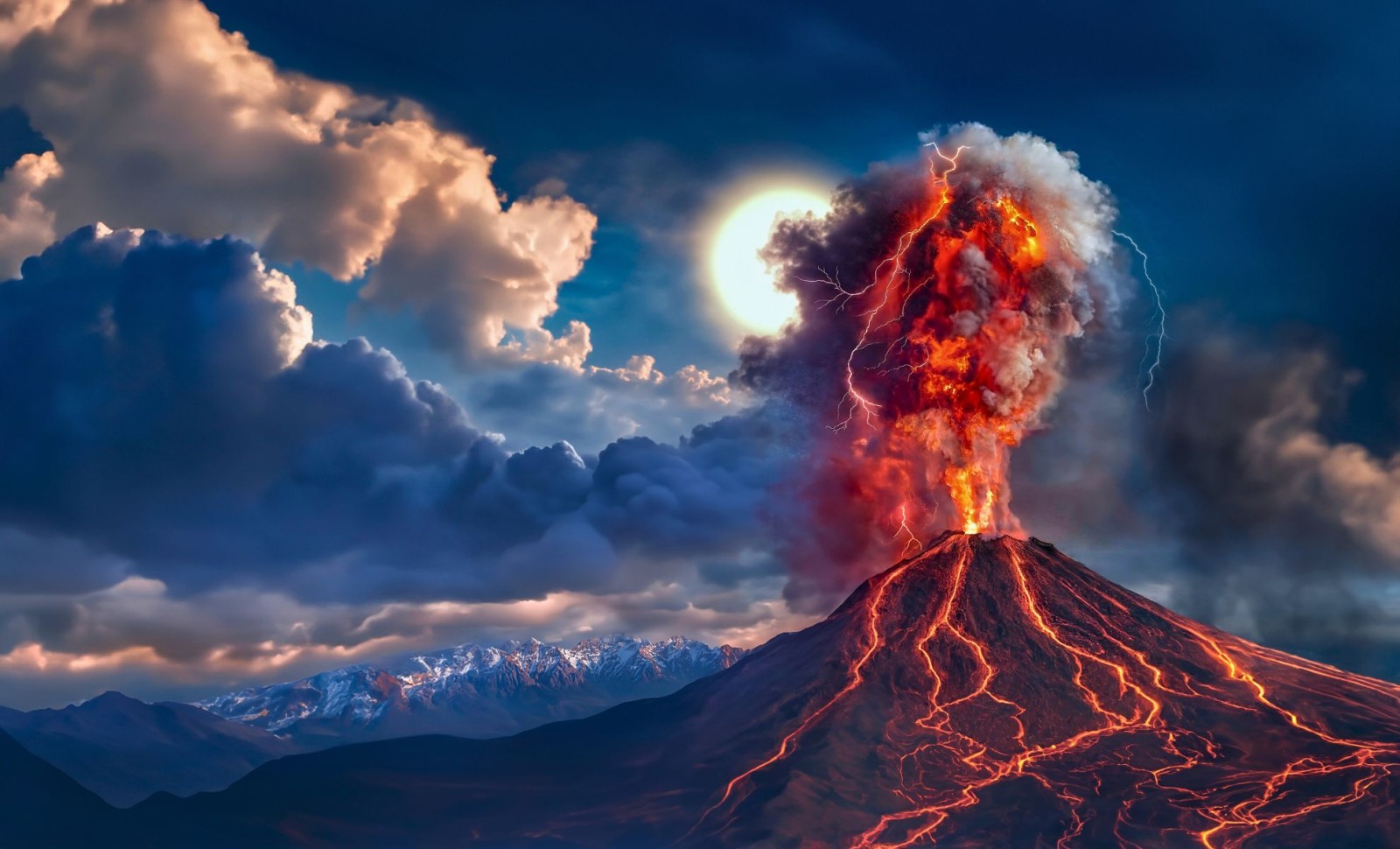
About seventy-four millennia ago, a monumental event reshaped the planet. The colossal eruption of the Toba supervolcano in present-day Indonesia unleashed vast quantities of ash into the atmosphere, plunging the Earth into a cooler climate and disrupting entire habitats. Remarkably, early Homo sapiens endured this catastrophic episode.
This eruption stands as one of the most massive in history, releasing over 2,800 cubic kilometers of volcanic ash that shrouded the globe. While initial theories suggested it nearly caused human extinction, wiping out nearly the whole population except for a small group, archaeological findings reveal a more intricate narrative.
New research indicates that early humans did more than just survive—they adapted and evolved. Discoveries from locations including South Africa and Ethiopia reveal continuous human presence after the eruption, accompanied by innovations and modifications in social behavior.

The Day the Sky Darkened
The magnitude of the Toba eruption was staggering. As reported by SciTechDaily, it was roughly 10,000 times more powerful than the 1980 Mount St. Helens eruption. This event left a vast caldera approximately 100 by 30 kilometers in size. Volcanic ash soared into the stratosphere, creating a dense veil that likely blocked sunlight for several years, significantly cooling the Earth.
This period, often described as a volcanic winter, had devastating effects. Close to the eruption site, landscapes were devastated; ash smothered vegetation and wildlife, and acid rain contaminated water. In further regions, the damage was more subtle yet profound: agriculture faltered, hunting patterns changed, and ecosystems struggled with these sudden transformations.
For a long time, the Toba catastrophe hypothesis held sway in scientific circles. A study detailed in Quaternary International proposed that this event triggered a genetic bottleneck, reducing humanity's numbers to under 10,000 individuals globally. While some DNA studies support this timeline, accumulating archaeological evidence paints a more complex scene.
Discovering Human Presence Amidst the Ash
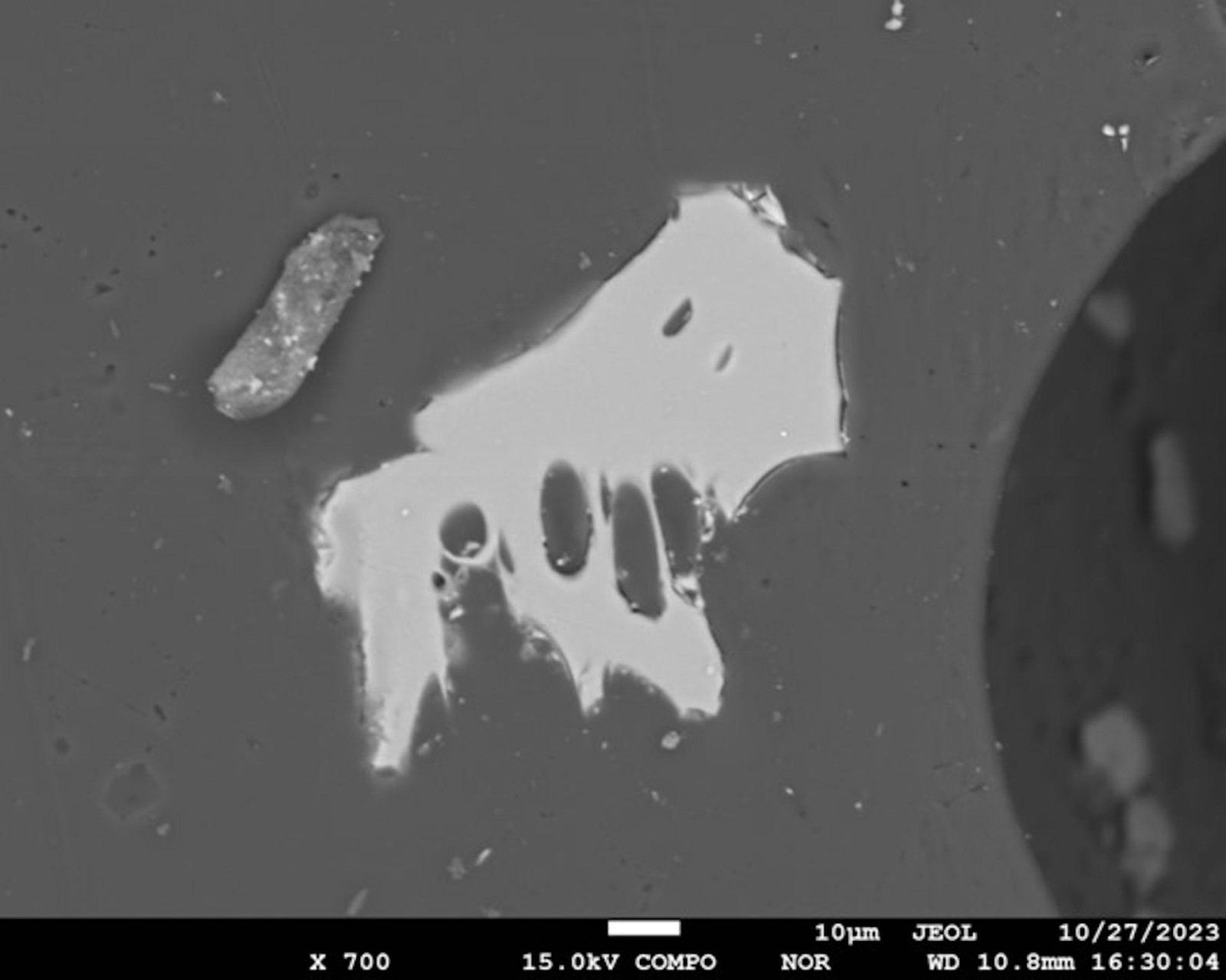
A major advancement emerged from excavations at Pinnacle Point 5-6 in South Africa, where archaeologists uncovered microscopic volcanic glass known as cryptotephra linked to the Toba eruption embedded within layers containing human artifacts. This indicates that people inhabited the area before, during, and after the eruption.
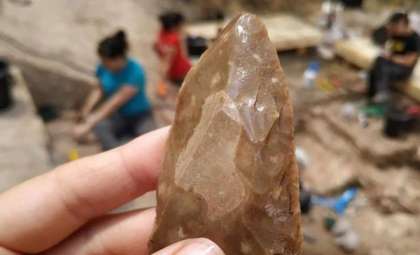
Post-eruption deposits found at Pinnacle Point reveal increased human activity and evolving stone tool technologies. Similar results were found at the Ethiopian site Shinfa-Metema 1, where volcanic ash layers contained evidence of continued habitation. Here, inhabitants adapted to harsh dry conditions by fishing in isolated pools and following seasonal watercourses. They also developed bow-and-arrow weaponry, a significant leap forward enabling more efficient hunting during challenging times.
Tracing the Volcano’s Effects Through Tiny Particles
How do experts reconstruct ancient volcanic events with such accuracy? The key lies in identifying cryptotephra. These chemically unique glass fragments serve as geological markers that allow precise dating of archaeological layers and connection to specific volcanic eruptions, such as Toba.
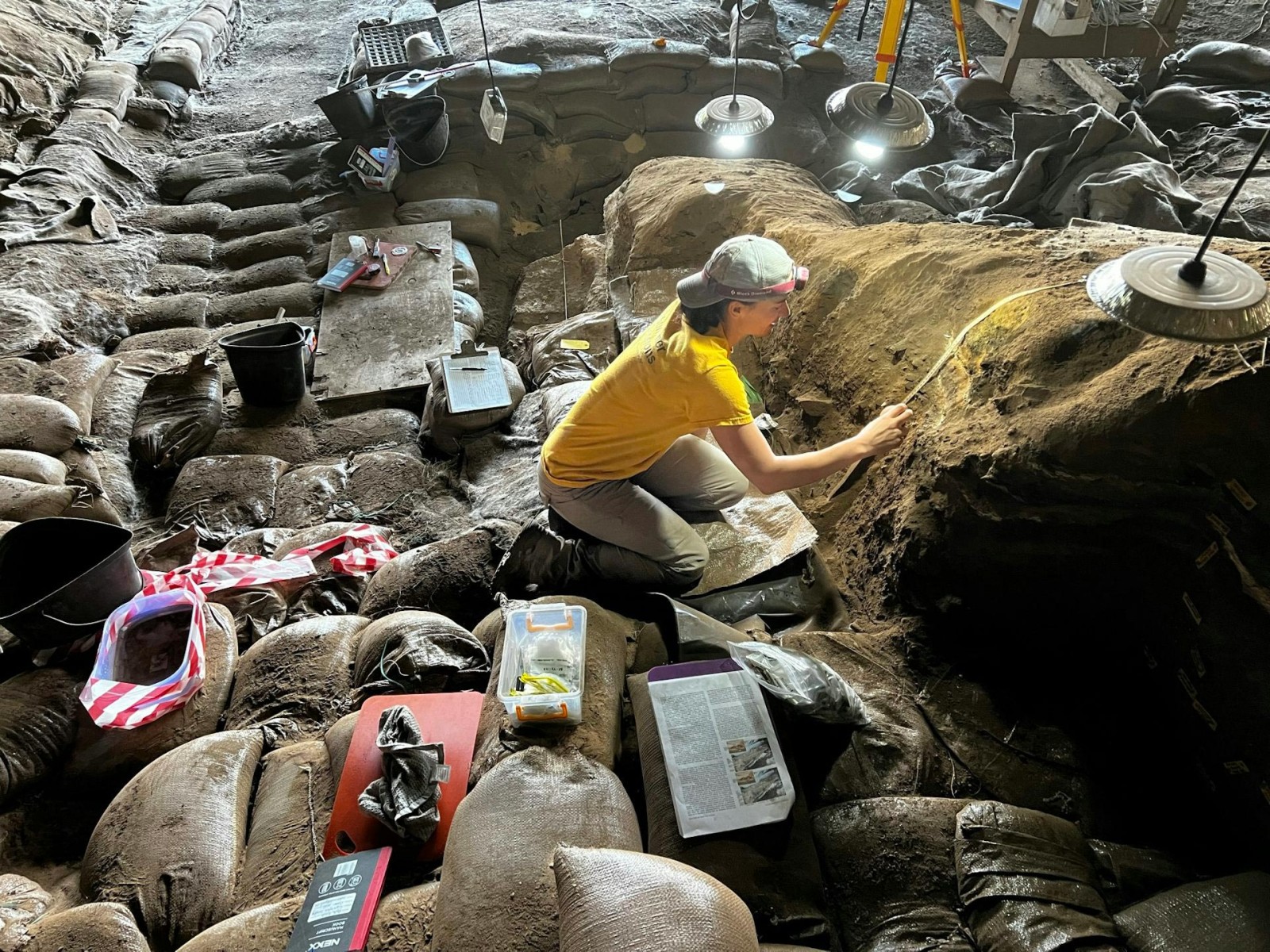
Extracting cryptotephra is painstaking work. Archaeologist Jayde N. Hirniak described to SciTechDaily the laborious process of meticulously examining sediment samples grain by grain under micromanipulators to isolate individual volcanic glass shards, often requiring months of detailed analysis at a single site.
Once the volcanic material is confirmed, archaeologists study the surrounding remains such as tools, food residues, and signs of either continued living or abandonment. These findings help reconstruct the ways ancient communities coped with this environmental calamity.
- Categories:
- Science








0 comments
Sign in to Comment