

Skyquakes represent a puzzling acoustic phenomenon marked by sudden, loud bangs that seem to originate high above the ground. These baffling sounds have been recorded across multiple continents, including reports from the United States, Belgium, and Japan, highlighting their global nature.
Historical eyewitness accounts of skyquakes date as far back as the early 1800s. A notable example occurred in 1811 during a powerful 7.2 magnitude earthquake near New Madrid, Missouri, where observers heard booming noises similar to cannon fire alongside the earthquake tremors. Later events, such as the 7.3 magnitude earthquake in Charleston, South Carolina in 1886, were also accompanied by persistent rumbles and explosive sounds over subsequent weeks.
However, skyquakes do not always coincide with seismic events. For example, the “Seneca Guns,” a regional name for unexplained booms around Lake Seneca in New York, have been consistently reported without any associated earthquake activity. This absence of clear natural triggers deepens the mystery behind their origins.

Exploring Scientific Theories and Research
Various explanations have been suggested to demystify skyquakes, yet no single theory has gained universal acceptance. Leading hypotheses include:
- Atmospheric bolide explosions
- Storm-induced amplification of ocean waves
- Release of underground gases
- Unusual atmospheric pressure and temperature patterns
- Effects of geomagnetic disturbances
In 2020, researchers from the University of North Carolina analyzed seismic and acoustic records from the EarthScope Transportable Array (ESTA), a network of over 400 monitoring stations spread across the U.S. Their objective was to detect any connections between skyquakes and undetected seismic phenomena. The study, however, found no conclusive link tying these enigmatic noises to earthquakes or subterranean disturbances.
This absence of seismic correlation adds weight to the theory that skyquakes may originate from atmospheric conditions. Eli Bird, a UNC investigator, suggests that certain atmospheric factors might intensify sound waves, enabling them to travel abnormally far. While this concept could explain skyquakes near large bodies of water, it does not clarify those heard deep inland.
The irregular occurrence and broad geographic spread of skyquakes complicate efforts to define a sole underlying cause. As Earth continues its revolutions around the sun, the phenomenon remains a compelling mystery captivating researchers and observers worldwide.
Implications and Future Directions in Skyquake Research
Despite the unresolved nature of skyquakes, their presence prompts important questions about atmospheric science and geophysical phenomena. This enigma underscores the gaps in current scientific comprehension and the pressing need for continued investigation.
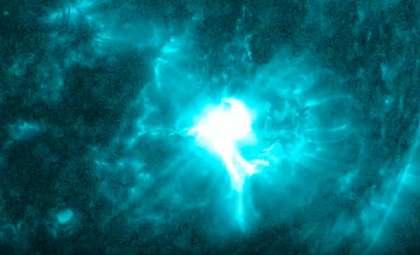
Speculation exists regarding possible links between skyquakes and other unexplained natural events. For example, the discovery of a giant blue hole deep in the ocean serves as a reminder of Earth's untapped secrets. Similarly, researchers are probing potential connections between skyquakes and intense solar storm activity.
Investigations into skyquakes also overlap with other scientific disciplines. Studies examining the vast populations of ants on our planet have observed unusual ant behaviors coinciding with skyquake occurrences, opening intriguing new research pathways.
Ongoing advancements in technology promise new opportunities to uncover causes behind these mysterious sounds. Tools such as detailed atmospheric simulations, satellite tracking, and sophisticated machine learning could reveal patterns previously unnoticed. The following table summarizes some investigative strategies currently employed:
Research MethodPurposeExpected OutcomesAtmospheric SimulationDeveloping comprehensive 3D atmospheric modelsMapping how sound waves travelSound Source TriangulationUsing arrays of sensors to identify origin points of boomsLocating precise emission sourcesSatellite Data ExaminationMonitoring atmospheric disturbances from orbitDiscovering large-scale environmental changesCommunity Science ContributionsGathering observational data from the publicBroadening data pools to recognize trends
Though definitive answers remain elusive, ongoing research into skyquakes highlights the immense frontiers still to be explored in environmental science. This inquiry not only pushes scientific boundaries but also fuels our innate curiosity about the enigmatic world around us.
- Categories:
- Science











0 comments
Sign in to Comment