

In April 2023, an unexpected surge in solar activity caught scientists off guard. On April 23, Earth experienced a geomagnetic storm that sparked brilliant auroras reaching as far south as southern Texas. The disturbance originated from a coronal mass ejection (CME), which is a massive burst of energized particles and magnetic fields launched from the Sun. Notably, this storm was surprising because it followed a relatively weak solar flare, leading researchers to predict only a mild disruption. Instead, the event proved to be much more powerful than initially anticipated.
Decoding the Unexpected Intensity of the Storm
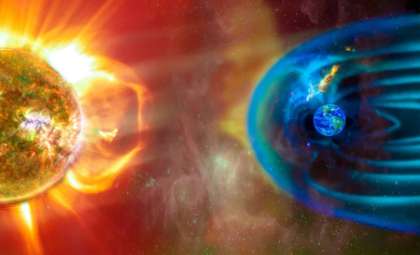
NASA scientists and their international counterparts have been investigating why certain solar storms, like the April 2023 incident, have greater impacts on Earth. A study published in The Astrophysical Journal points to the CME’s alignment with respect to Earth as a crucial factor. Researchers observed a significant coronal hole near the CME’s source. These regions on the Sun emit solar wind at accelerated speeds, which can steer the trajectory of CMEs.
Led by Evangelos Paouris from the Johns Hopkins Applied Physics Laboratory, the research describes how the rapid solar wind acted similarly to an "air current," diverting the CME off its usual course. This redirection placed the CME closer to Earth’s orbital plane, intensifying its interaction with our planet’s magnetosphere. Consequently, the storm's impact was magnified. The team found that the CME’s magnetic fields were oppositely directed to Earth’s, facilitating more solar energy to enter Earth’s atmosphere and intensify the storm.

Unexpected Changes in Earth’s Upper Atmosphere
NASA’s GOLD (Global-scale Observations of Limb and Disk) mission offered new insights during the April 2023 geomagnetic event by examining the temperature of Earth’s thermosphere — the atmospheric layer sitting between 85 and 120 miles above the surface. The measurements revealed that during the storm, temperatures spiked dramatically but then dropped sharply once the event passed.
A temperature decrease ranging from 90 to 198 degrees Fahrenheit was recorded, with values falling from approximately 980–1,070°F to around 870–980°F. This phenomenon was the first recorded instance of such a widespread cooling effect following a major geomagnetic storm.
Xuguang Cai of the University of Colorado, who led the GOLD analysis, emphasized that this thermal decline is significant for satellite operations. Cooler thermospheric temperatures cause this layer to contract and thin out at orbital altitudes, which in turn reduces atmospheric drag on satellites and space debris. This effect extends satellites’ lifespans but also raises the risk of orbital collisions.
Harnessing AI to Enhance Solar Storm Forecasting
Advancing our understanding of solar storms is crucial for safeguarding modern technology in space, including satellites, GPS, and communication services. To bolster forecast precision, NASA is leveraging machine learning. Their innovative system, GeoCME, employs artificial intelligence to analyze CME imagery produced by the Solar and Heliospheric Observatory (SOHO).
Trained on past CME events, GeoCME can assess the likelihood that a CME will trigger geomagnetic disturbances. The model has accurately predicted the geo-effectiveness of 21 CMEs and correctly identified most non-threatening cases. NASA heliophysicist Jack Ireland highlights machine learning’s promising role in refining solar storm predictions.
Improving Early Warning Systems to Protect Earth
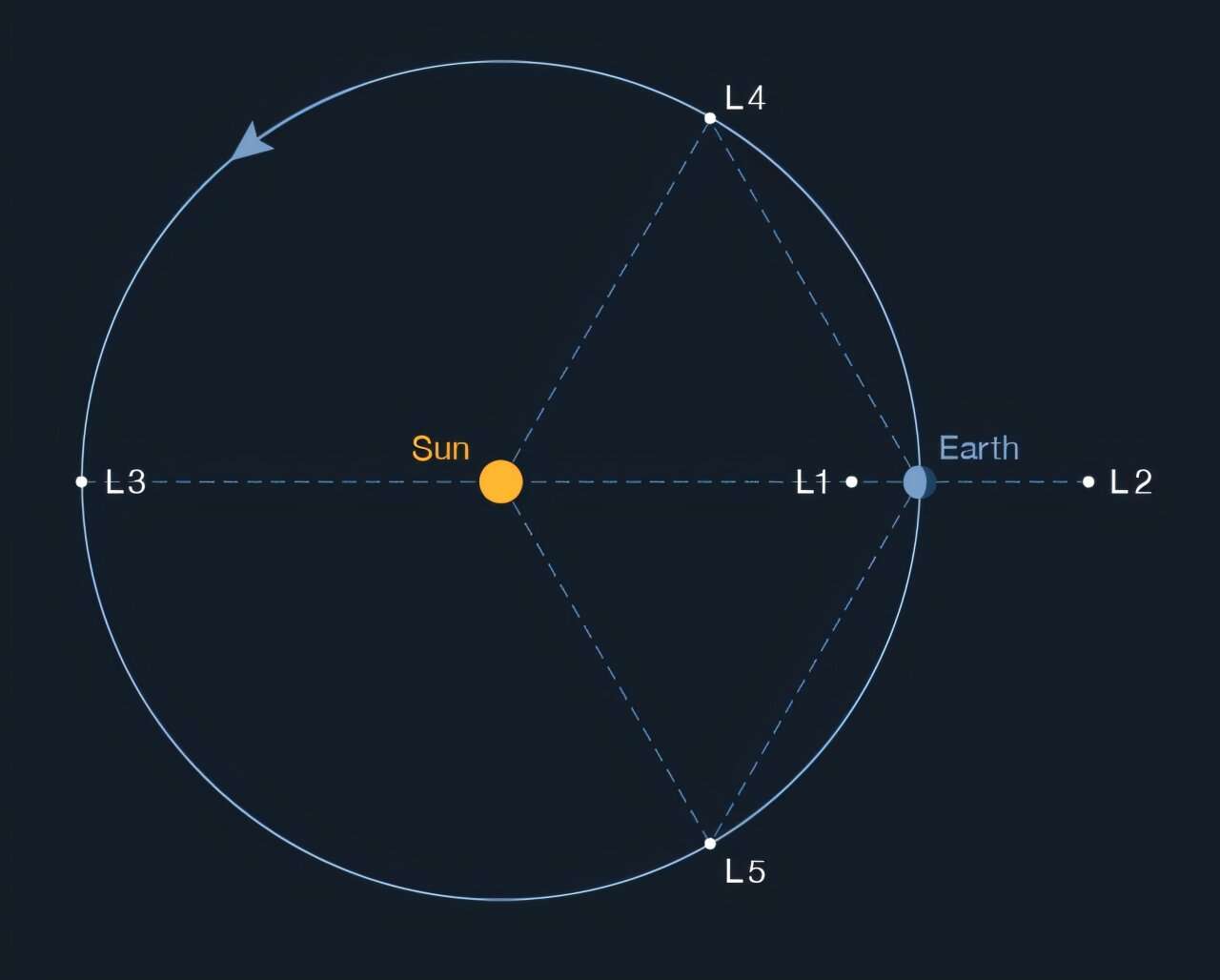
The intense geomagnetic superstorm of May 2024—the strongest in over two decades—highlighted the benefit of timely storm forecasts. During this episode, NASA’s STEREO (Solar Terrestrial Relations Observatory) spacecraft played a key part by analyzing magnetic structures of CMEs as they traveled near Earth. Significantly, STEREO-A positioned closer to the Sun rather than at the usual Lagrange Point 1 (L1) could have provided more than two hours of earlier warning.
Findings published in Space Weather suggest that placing spacecraft nearer to the Sun may greatly improve forecasts of solar storm intensity, giving society vital time to protect satellites and infrastructure. This marks the first occasion a spacecraft inside L1's orbit has observed a significant storm event.
- Categories:
- News







0 comments
Sign in to Comment