
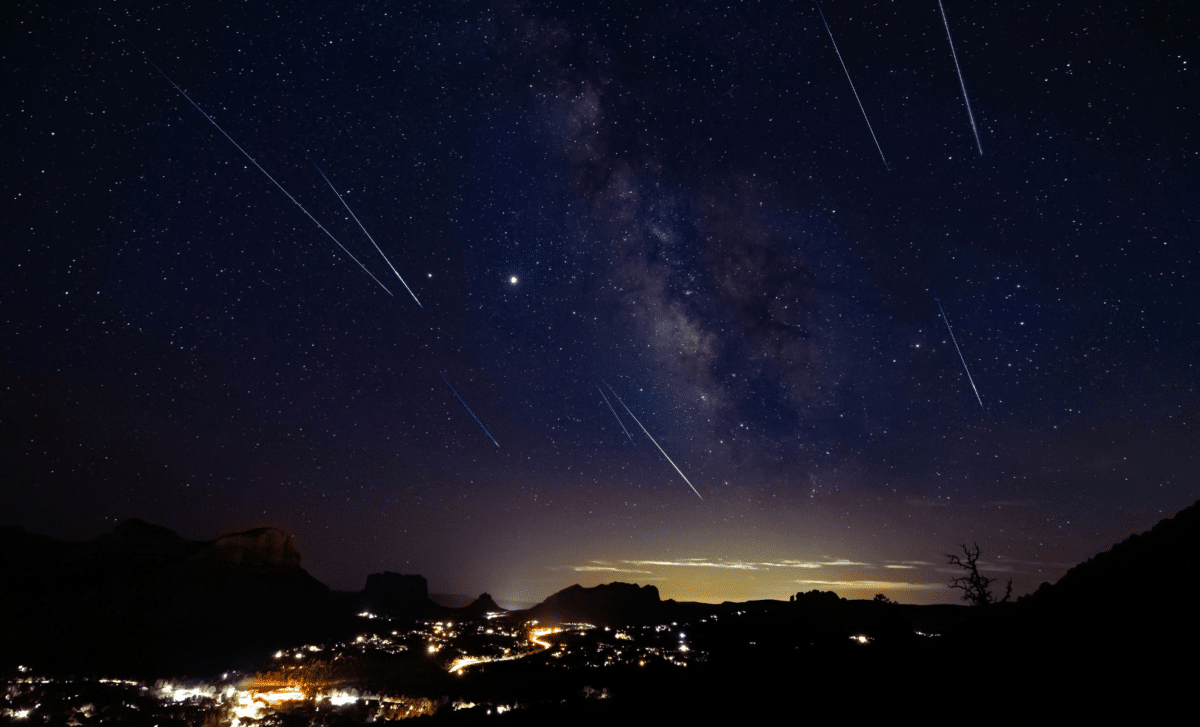
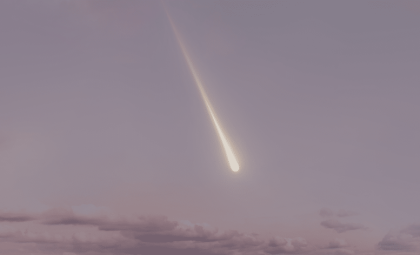
March 2026 saw an extraordinary number of fireball observations across the United States, sparking curiosity about a possible unusual meteor phenomenon. Bright meteors illuminated the skies from Ohio to Texas, culminating in a dramatic meteor explosion over Texas that damaged a house. This spike in fireball activity has prompted experts to investigate whether meteor occurrences are genuinely increasing or if other influences are driving the trend.
Understanding the Fireball Increase
The surge in fireball events is backed by data, not just coincidence. The American Meteor Society (AMS) notes a substantial rise in meteor sightings. Space.com highlights that from January to March 2026, fireball reports in the U.S. climbed from 1,587 to over 2,369. Planetary scientist Nick Moskovitz raises the key issue: Is this surge a genuine increase in meteor activity, or simply the result of enhanced observation and reporting?
“This is the question everybody wants answered,” said Moskovitz. “I think we are looking at slightly elevated meteor activity, though still well within statistical expectations, and increased awareness and reporting, which happens whenever big events occur.”
Add Cosmo Herald as a Preferred Source

This perspective highlights the role media attention and public interest play in inflating reported sightings, even if actual meteor activity is only modestly above average.
What Factors Are Driving More Fireballs?
Several elements might contribute to this noticeable fireball spike. While Earth's orbital position during spring may enhance meteor visibility, the situation involves more complexity than seasonal timing alone.
“Spring is fireball season,” said Bill Cooke at NASA’s Meteoroid Environment Office. “For reasons we don’t fully understand, the rate of very bright meteors climbs 10% to 30% during weeks around the vernal equinox.”
Throughout the year, meteor showers are typical, but the combination of Earth's orbit and the increased availability of larger space debris during this period may explain why fireballs have become more prominent recently.
In addition, the nature of the meteoroids seems to be changing. Recent fireball events tend to be larger and more powerful than usual, producing meteorites on occasion.
“We might see 10 meteorite recoveries a year worldwide,” said Mike Hankey, a lead researcher at the AMS. “We had three recoveries in a week or ten days.”
This rare increase in recovered meteorites points to the possibility that recently observed meteoroids are bulkier and more substantial than typical.
Technology’s Influence on Fireball Reporting
Modern technology has significantly boosted detection and reporting of fireballs. Over the last decade, the widespread use of gadgets like dashboard cameras, Ring doorbells, and home security systems has made it easier for people to record and share meteor sightings, leading to more frequent reports. As Moskovitz notes,
“It’s not just serendipitous captures from these devices, but also their increasing affordability over the past 10 years that makes them accessible for scientific uses.”
The emergence of automated monitoring networks such as the Global Meteor Network has further expanded scientific data collection by continuously scanning the skies. However, as Moskovitz points out,
“Bright events often saturate detectors and are missed, so citizen reports to AMS often alert professionals and prompt manual archive checks.”
Prolonged Meteors and Loud Sonic Booms
One striking pattern in recent fireball reports is the frequency of booming sounds and lingering meteors. When meteoroids enter Earth's atmosphere at high speeds, they generate shockwaves that manifest as sonic booms. The AMS reveals that nearly 80% of notable fireballs in early 2026 have been associated with audible booms, a rate well above normal.
“What we’re seeing is a higher frequency of meteors with long trajectories, which people are more likely to see,” said Hankey. “When a trajectory is hundreds of miles long, more people are going to see it.”
Longer-lasting meteors remain visible for extended periods—sometimes 14 seconds or more—offering ample viewing opportunities and explaining why reports have surged. In contrast, shorter meteors tend to fade quickly, often unnoticed despite their significance.
Should We Be Concerned?
Experts reassure that despite the notable increase in fireball observations and occasional meteorite impacts, there is no immediate threat. The meteoroids entering Earth’s atmosphere are small by astronomical measures and generally cause minimal localized damage. Though larger events have become more frequent, these objects remain minor on a cosmic scale.
“The uptick in fireball sightings could represent natural variability, a temporary clustering of debris, or a poorly understood feature of the near-Earth environment,” said Moskovitz. “Whatever is going on, there is no cause for alarm—these objects remain small on a cosmic scale.”
- Categories:
- News






0 comments
Sign in to Comment