
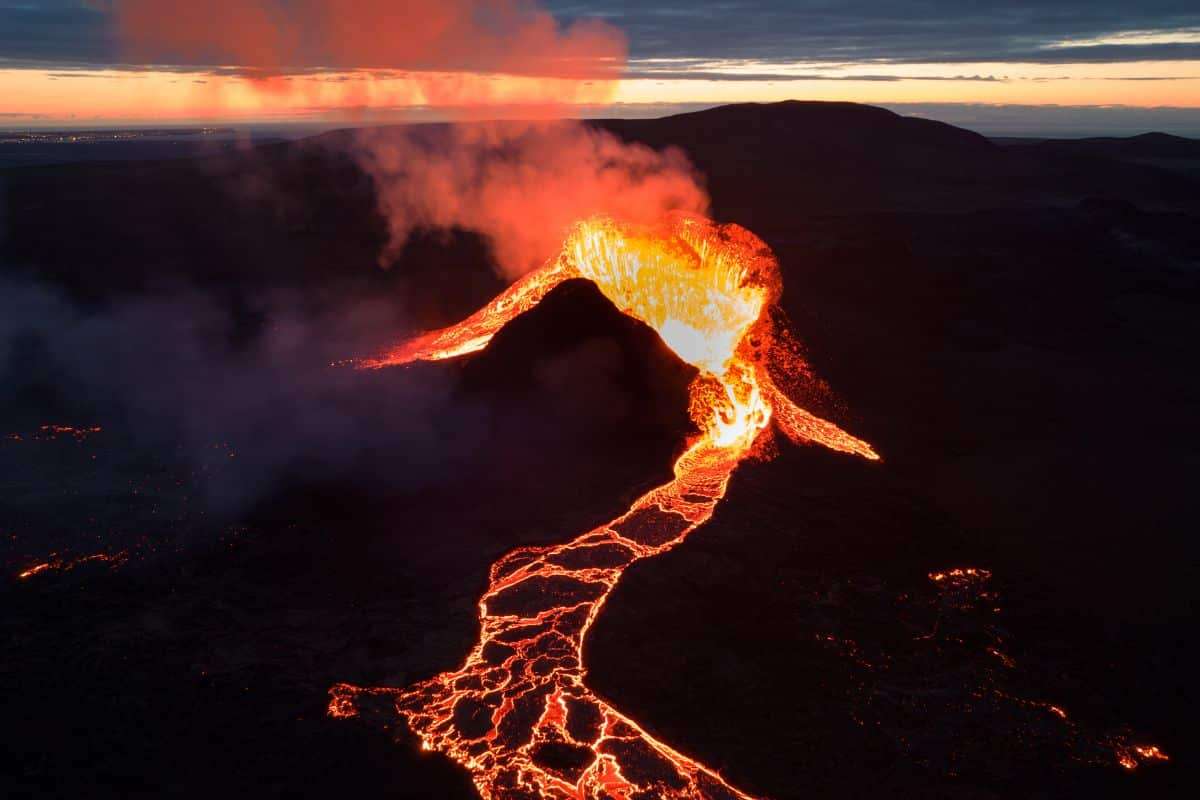
In 1831, a powerful volcanic explosion from the Kuril Islands propelled sulfur-rich ash high into the atmosphere, resulting in a global cooling effect and a rare greenish hue observed in the Sun.
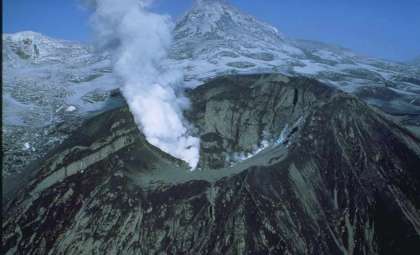
Known as Zavaritzki volcano, this event remained largely unknown for nearly 200 years, concealed beneath ice and forgotten in history.
Recent studies have now linked this secluded eruption to a remarkable atmospheric and climate anomaly documented worldwide.

The Hidden Volcanic Blast That Altered Earth's Climate
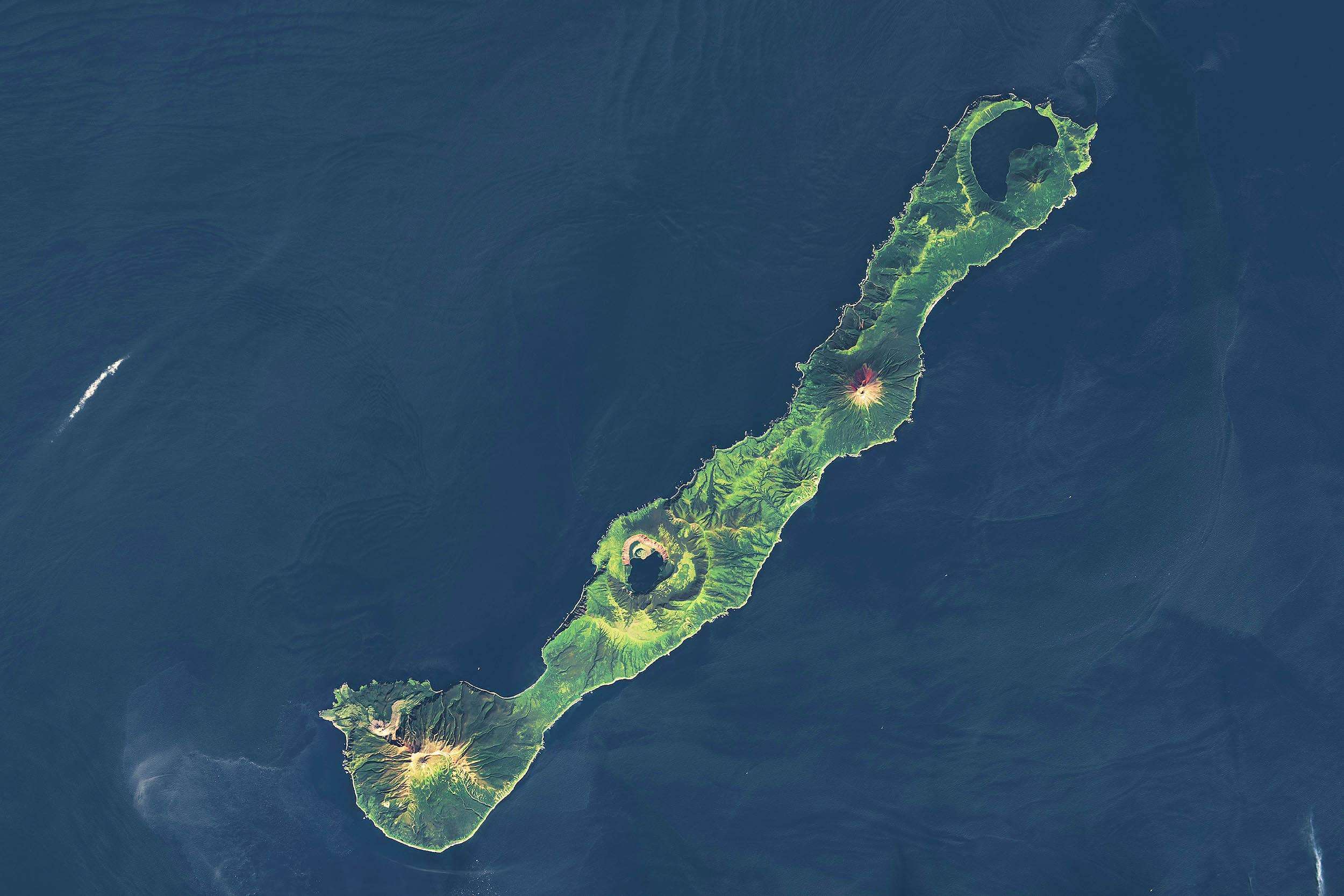
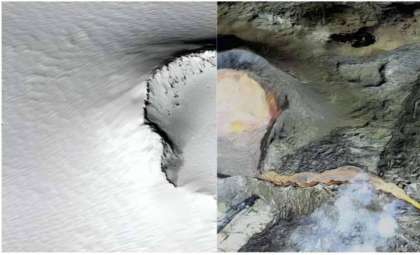
Zavaritzki, a solitary caldera volcano located on Simushir Island, was overlooked in accounts of major historical volcanic activity. Although researchers suspected that an eruption in 1831 was behind abrupt drops in temperature and unusual sky phenomena, identifying the exact source remained challenging.
The turning point came when volcanologist William Hutchison from the University of St. Andrews examined ice core samples taken from Antarctica and Greenland. These samples revealed sulfur-laden particles whose chemical profile matched volcanic deposits found on Zavaritzki’s slopes.
A Green Sun in the Sky
Accounts from 1831 describe strange atmospheric changes, including a Sun exhibiting a green tint. This rare sight is attributed to sulfur aerosols injected into the stratosphere, which scattered sunlight and filtered particular wavelengths.
Along with these visual anomalies, people globally experienced significant cooling. Journals and meteorological observations from Europe recorded unusual storms, premature frosts, and poor crop yields.
The climatic consequences of this eruption bear resemblance to other historic volcanic impacts, most notably the 1815 Mount Tambora eruption that led to the infamous Year Without a Summer” in 1816.
Breakthrough: Potassium-Deficient Ash Analysis
Researchers assembled the pieces by studying the geochemical footprint. Volcanic ash preserved in ice cores exhibited notably low potassium content, which excluded well-documented volcanoes such as those in Iceland or Alaska.
This anomaly pointed scientists toward less recognized volcanic regions like the Kuril Islands, lying between Japan and Russia.
By comparing the mineral makeup of the ice core particles with fresh samples from Zavaritzki’s volcanic deposits, the team confirmed a direct correlation. This discovery placed a remote volcano at the center of a global climate event, etched in the planet’s frozen records.
Hidden Volcanoes as Climate Threats
Zavaritzki belongs to a volcanic system dotted with cinder cones, sharp, steep cones created by eruptive bursts. Their presence indicates recurrent volcanic activity, highlighting the potential for future environmental impacts.
Volcanoes at higher latitudes, like Zavaritzki, carry particular danger because their eruptions inject sulfur aerosols into the stratosphere where they can remain suspended for extended durations. One well-studied case is the 1991 eruption of Mount Pinatubo in the Philippines, which reduced global temperatures by approximately 0.5°C (0.9°F) for several years.
Relevance in Today’s World
Even with enhanced volcanic monitoring technology, many isolated volcanoes around the world are still poorly tracked. The unexpected awakening of one such unmonitored volcano could have profound effects on climate, agriculture, and economies globally.
Modern researchers stress the importance of expanding monitoring capabilities in remote volcanic zones. Advanced satellite surveillance and broader observation networks are critical to forecasting eruptions and minimizing their disruptive impacts on the Earth’s environment.
- Categories:
- News




0 comments
Sign in to Comment