
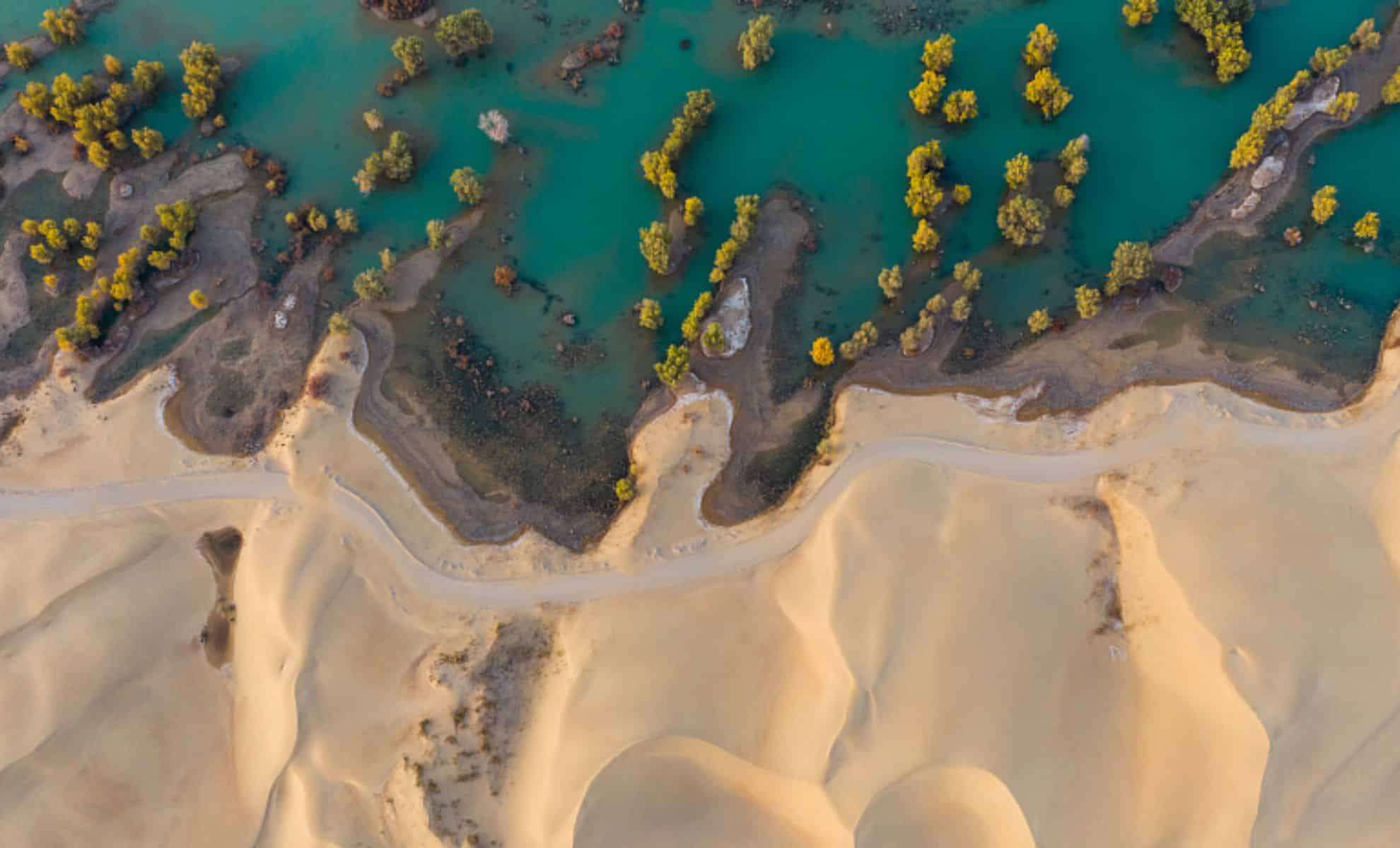
Stretching across northern China, the Great Green Wall exemplifies a remarkable human effort to counter environmental degradation. Unlike traditional static walls, this initiative consists of a vast stretch of vegetation designed to curb the progression of deserts such as the Taklimakan and lessen the severity of dust storms. For more than 40 years, countless workers and volunteers have joined forces to convert barren lands into flourishing natural habitats.
Recently, this large-scale ecological restoration reached a significant achievement: a 2,000-mile expanse of green now encircles the Taklimakan Desert in Xinjiang. This milestone belongs to the expansive Three-North Shelterbelt Forest Program, which targets covering 1.5 million square miles by 2050. Along with enhancing regional environmental stability, this green corridor has also brought economic and agricultural improvements to local populations.
Understanding the Taklimakan Desert
The Taklimakan Desert, nicknamed the “Sea of Death,” ranks among the world’s most extreme environments. Located in the Tarim Basin of northwest China, it spans over 130,000 square miles, making it a massive shifting sand desert. Its terrain is primarily made up of towering sand dunes sculpted by persistent strong winds, some reaching hundreds of feet in height. The desert experiences very little rainfall, and its climate oscillates between blistering heat in summer and freezing cold in winter.

The hostile conditions of the Taklimakan historically confined human habitation to the margins. Scattered oases functioned as crucial refuges, supporting settlements and trade networks linked to the ancient Silk Road. These areas not only facilitated commerce but also became cultural hubs for exchanging goods, ideas, and traditions across distant regions. The interior of the desert remained a near-impenetrable zone where vegetation was scarce, and shifting sands dominated.
The Great Green Wall project represents a deliberate ecological intervention designed to stabilize this harsh landscape. Planting drought-tolerant tree species combined with innovative soil stabilization methods aims to halt dune migration. The objective is to reclaim sustainable land areas and revive ecological harmony in a region long ruled by extreme environmental forces.
Milestones Achieved by the Great Green Wall
The Great Green Wall has reshaped vast tracts of desert into vibrant ecosystems. Since 1978, more than 116,000 square miles of trees have been planted, boosting national forest coverage from around 10% in 1949 to an estimated 25% by 2023. In Xinjiang alone, efforts to contain the Taklimakan Desert have led to a rise in forest coverage from about 1% to 5%, a remarkable development given the harsh conditions.
These reforestation projects have directly benefited local communities. Northern farmers report enhanced agricultural outcomes as tree plantations act as windbreaks that reduce soil erosion and buffer against moving sand. For instance, Wang Yinji, a grower in Gansu province, remarked, “Our corn grew taller. The sand storms from the east and northeast have been reduced significantly.”
Beyond environmental improvements, the program has provided income-generating opportunities for residents through involvement in planting and forest maintenance. This community-centered model has boosted food security and created jobs in regions previously vulnerable to desert expansion.
Obstacles and Critiques
Although the Great Green Wall has made significant gains, it faces several challenges. A major issue is the survival rate of the planted trees, many of which fail to thrive in demanding desert conditions. Critics point out that at times the initiative has emphasized large-scale planting over sustaining healthy, viable forests.
There are also concerns about competing demands for scarce resources. In some regions, water and arable land have been redirected from farming to tree planting, leading to conflicts between conservation efforts and agricultural needs. Furthermore, questions remain about the project's role in reducing sandstorms, as some locations, including Beijing, continue to suffer severe dust events despite decades of reforestation.
Jiang Donghui, a Xinjiang official, acknowledges these difficulties but stresses ongoing commitment: “The completion of the Taklimakan Desert control project marks a new start, not an end. We will continue expanding the green belt to ensure sustainable desert management.”
Global Insights from the Great Green Wall
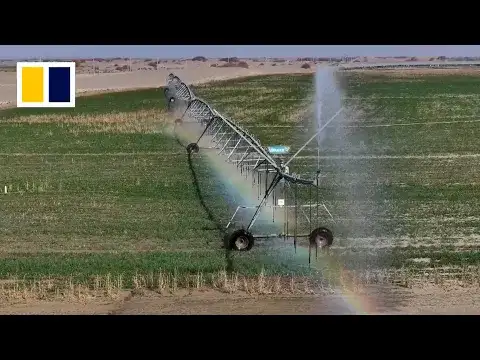
The Great Green Wall offers valuable guidance for countries battling desertification and land degradation. Its experiences illuminate the importance of customizing reforestation methods to the specific ecosystem and climate. For example, selecting drought-resistant tree species and adopting advanced irrigation have been critical to success in extreme conditions.
Local community engagement has also been vital. By involving residents in planting and upkeep, the project has fostered stewardship and long-term care, extending beyond initial planting stages. This participatory approach has inspired parallel efforts like Africa’s Great Green Wall, aiming to halt desert spread across the Sahel zone.
As desertification and land degradation escalate under global climate change, the lessons from China’s Green Wall underscore the power of scientific innovation paired with community action to rehabilitate damaged lands and enhance resilience.
Looking Ahead: The Future Path for the Great Green Wall
Extending over 13 provinces and covering 42% of China, the Great Green Wall is a continuing endeavor with lofty objectives. Its ongoing mission to restore ecosystems, reclaim land, and shield communities from desert threats exemplifies a massive dedication to environmental restoration. Though challenges persist, the project stands as a beacon of human determination, creativity, and cooperation.
Facing the mounting pressures of climate change and biodiversity loss, the Great Green Wall offers a hopeful example. It proves that even the harshest landscapes can be turned into rich ecosystems through sustained commitment. This living green barrier symbolizes humanity’s capacity to adapt, innovate, and coexist with nature sustainably.
- Categories:
- News












0 comments
Sign in to Comment