
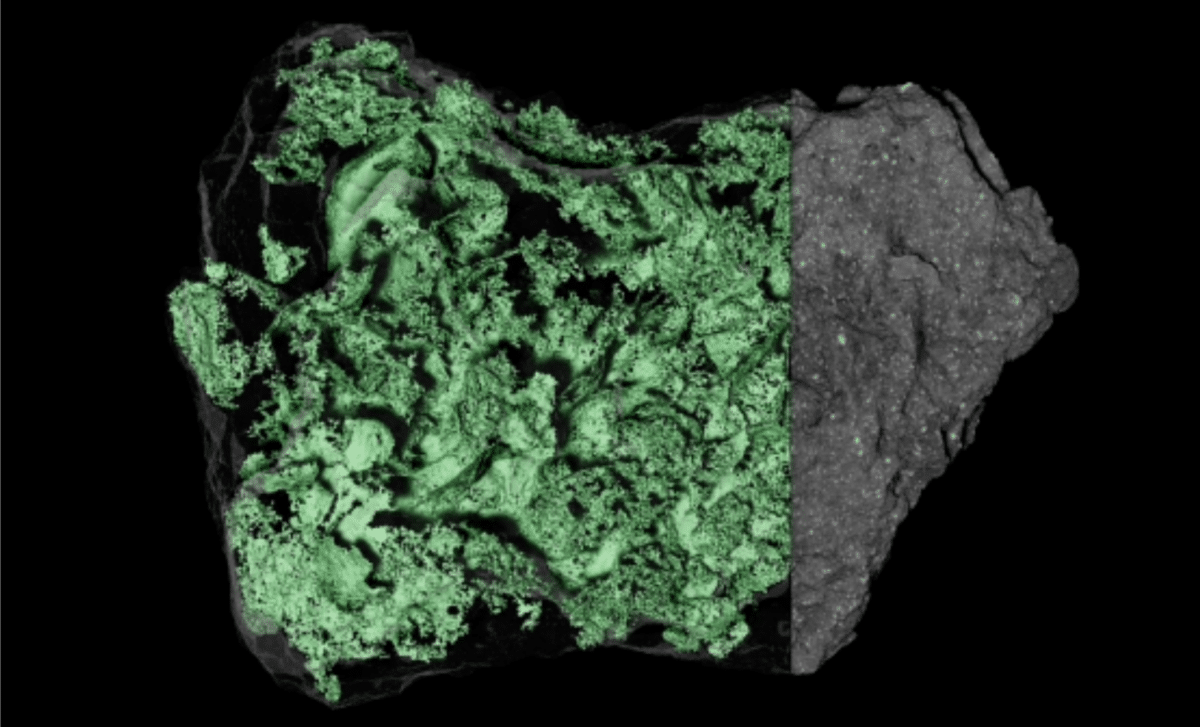
NASA’s OSIRIS-REx mission has revealed the reasons behind the rugged, boulder-strewn exterior of asteroid Bennu. Published in Nature Communications, these groundbreaking discoveries challenge previous assumptions and provide novel insights into the composition and thermal behavior of asteroids. Utilizing sophisticated techniques such as X-ray computed tomography (CT) scanning, scientists found that Bennu’s surface boulders contain extensive cracking, which significantly influences their heat retention. This advancement expands our understanding of Bennu and offers new directions for studying remote celestial objects.
Unexpected Findings on Bennu’s Rocky Landscape
When the OSIRIS-REx probe reached Bennu in 2018, it encountered surprising surface conditions. “When OSIRIS-REx arrived at Bennu, the surface was unlike expectations,” explained Andrew Ryan, affiliated with the University of Arizona’s Lunar and Planetary Laboratory. Rather than smooth regions of fine dust suitable for sample gathering, Bennu was cloaked in a dense sprinkle of jagged rocks, complicating collection efforts.
Initial data conflicted with earlier predictions. Previous observations, including NASA’s 2007 Spitzer Space Telescope data, had suggested Bennu’s surface would resemble a granular, sandy texture. Instead, the predominance of large boulders did not behave thermally as predicted, with OSIRIS-REx’s readings indicating faster heat dissipation than models anticipated.

Cracking the Code: Internal Fractures Hold the Answer
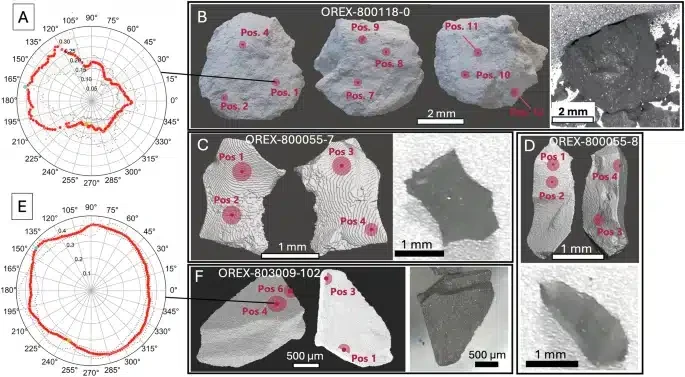
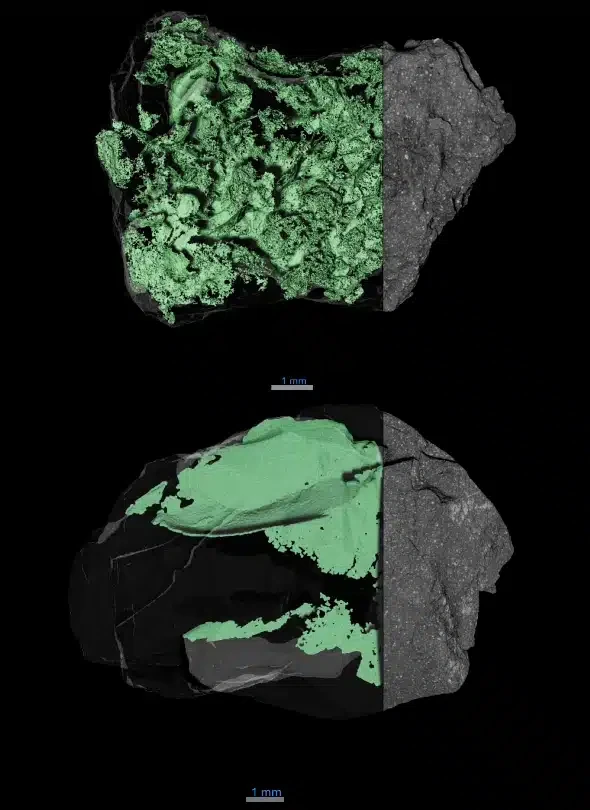
The solution emerged through detailed examination of samples returned from Bennu. Ryan’s group found the asteroid’s rocks to be not only porous but also heavily fractured. “This insight changed the game,” Ryan noted. Advanced laboratory analyses exposed the complexity of the boulders’ thermal properties, demonstrating that internal fractures greatly influence how heat escapes the surface.
X-ray computed tomography (XCT) scans played a pivotal role by producing three-dimensional images of the sample interiors non-destructively. “XCT lets us examine the rock’s inner structure in 3D without damage,” said Scott Eckley, a NASA Johnson X-ray scientist involved in the study. This capability was key to confirming the role of internal cracks in Bennu’s unusual thermal traits.
Advanced Methods Illuminate Asteroid Heat Dynamics
To deepen their insight into Bennu’s materials, researchers applied lock-in thermography, a cutting-edge approach developed at Nagoya University, to probe how heat moves within rock fragments. This method allowed them to simulate the heat transfer mechanisms occurring in Bennu’s rocks and align their lab results with data recorded by OSIRIS-REx in space.
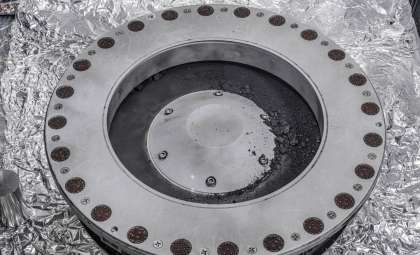
Nicole Lunning, chief curator for OSIRIS-REx samples at NASA’s Johnson Space Center, explained the meticulous handling process: “Samples are sealed in their own protective environment, undergo CT imaging, and are returned to their uncontaminated state, ensuring pristine conditions for analysis.” Such protocols preserve sample integrity for accurate scientific study.
Redefining the Future of Asteroid Exploration
Featured in Nature Communications, this research marks a significant advancement in asteroid science. Johns Hopkins University scientist Ron Ballouz highlighted its impact: “This breakthrough allows us to interpret asteroid thermal observations from telescopes by directly analyzing samples from the same object.”
These revelations will influence upcoming space missions, aiding in the design of spacecraft and landing techniques tailored to rocky celestial bodies like Bennu. Improved understanding of thermal characteristics will enable more effective exploration and study of asteroids beyond Earth.
- Categories:
- Nasa










0 comments
Sign in to Comment