
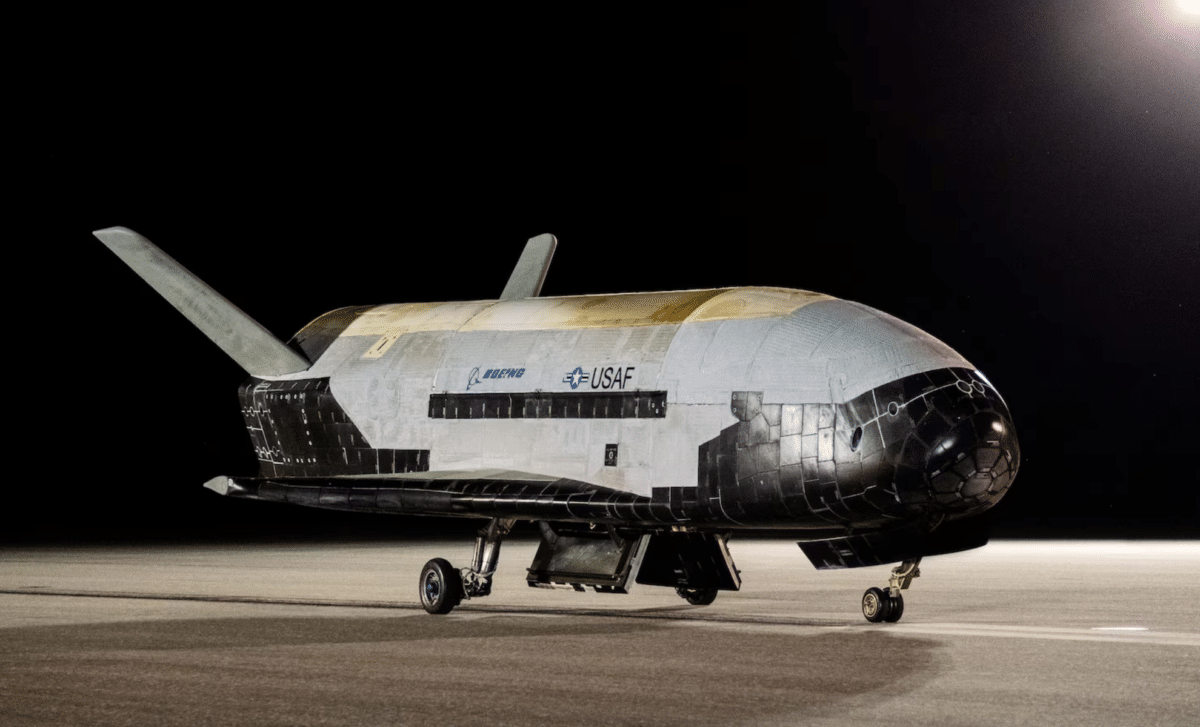
As the United States and China compete to establish a lasting human foothold at the Moon’s south pole, new challenges in space security are emerging. A recent analysis by The Mitchell Institute for Aerospace Studies suggests that American Space Force personnel might soon be stationed not only in Earth orbit but also directly on the lunar surface, highlighting a potential shift toward militarized space exploration.
Growing Lunar Competition Between Washington and Beijing
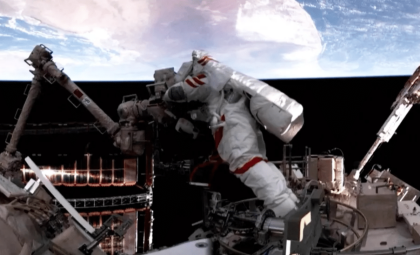
The analysis outlines escalating tensions in the quest for space dominance. China’s swift progress in manned spaceflight, highlighted by the successful operation of the Tiangong space station and ongoing activities in low-Earth orbit, has raised alarms over strategic influence. The report cautions that
“China’s military-led space habitation and lunar ambitions” pose for U.S. national security. Pumroy argues that the U.S. human spaceflight and Moon programs “have been marred by inconsistency in vision, policy, and funding, allowing China to gain steady ground over time.”
Add Cosmo Herald as a Preferred Source

China’s combination of determination and technological progress may enable it to dictate the rules governing lunar exploration and commercial activity.
Why Lunar Infrastructure Holds Strategic Value
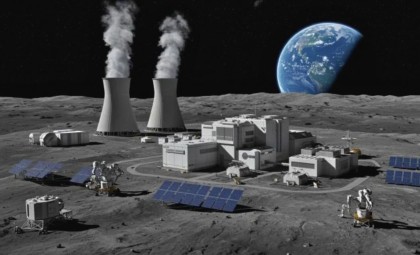
According to the Mitchell Institute, control over a robust, defensible network stretching from low-Earth orbit to the Moon will give any nation leverage to shape standards, protocols, and legal frameworks for lunar habitation and the growing space economy.
“On the present trajectory, China is poised to achieve positional advantage in setting norms, standards, and legal frameworks for lunar habitation and lunar economy,” the report reads.
This underscores the need for the U.S. to rethink its focus beyond robotic spacecraft and satellites, emphasizing a human presence with defined authority and operational readiness.
Equipping the Space Force for Manned Lunar Operations
The report advocates for the U.S. Space Force to initiate a military human spaceflight program immediately. This initiative would prepare Guardians to conduct missions in orbit and on the lunar surface with Title 10 authority, empowering the Department of Defense to organize, train, and deploy forces globally. “The United States must ensure it wins that right, but it will demand properly trained, organized, and equipped Guardians in space who are empowered with Title 10 authorities,” stresses Pumroy. These efforts would not only bolster defense but also help secure valuable lunar resources and strengthen America’s role in shaping international space policies.
Moon Race Legal and Diplomatic Hurdles
While the 1967 Outer Space Treaty bans military activities on celestial bodies and prohibits national sovereignty claims on the Moon, the report highlights the possibility that geopolitical dynamics could outpace existing agreements. It notes China’s assertive territorial claims elsewhere as a warning that treaties may not suffice to prevent conflicts in space. Preparing strategically now is crucial to retain U.S. influence in the governance of lunar endeavors.
Shaping the Future of Space Defense and Exploration
Although space currently sees significant military activity via satellites for surveillance, communications, and navigation, deploying humans to the Moon for defense would represent a major escalation. Building a crewed presence with the capacity for defense and operational command could redefine space security and safeguard U.S. interests amid growing competition. The Mitchell Institute frames this human-centered approach as essential both for national security and to maintain equality with China’s expanding space capabilities.
- Categories:
- Space





0 comments
Sign in to Comment