
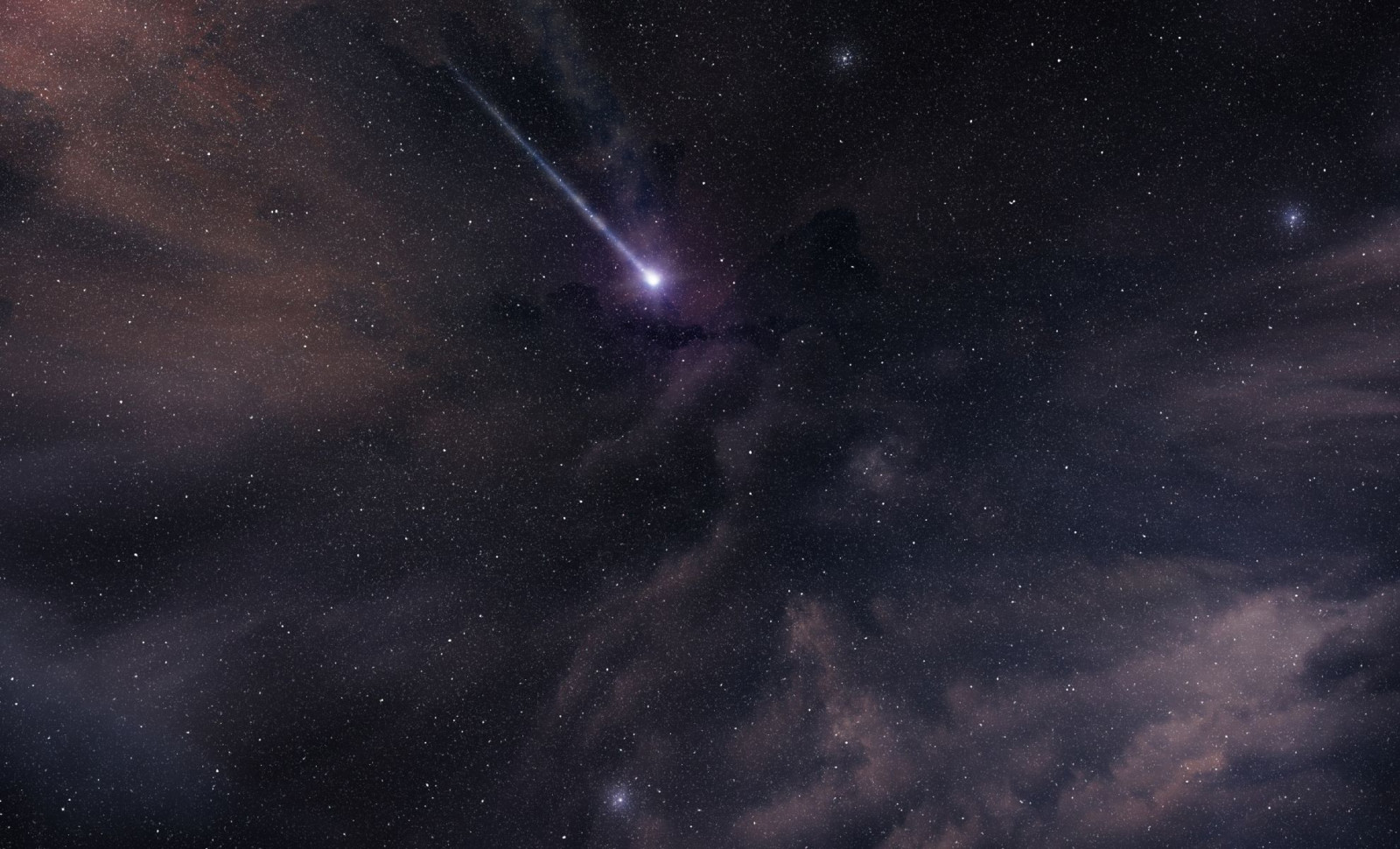
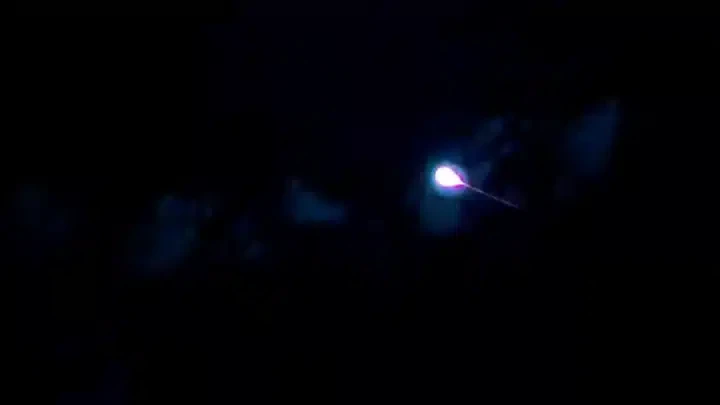
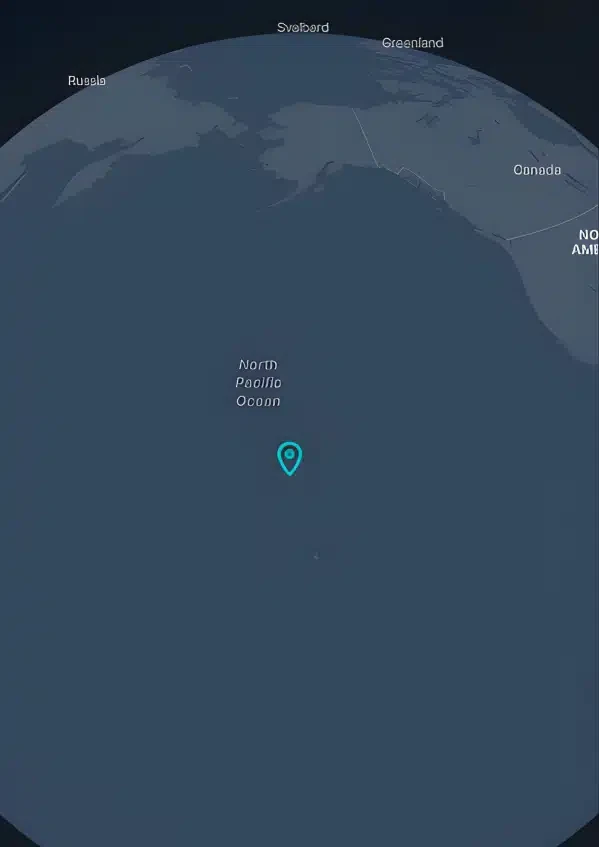
For the very first time, a meteor burst has been observed directly from orbit, captured by researchers aboard the International Space Station (ISS). This spectacular event unfolded over the North Pacific Ocean and was documented using SEN’s 4K Space-TV-1 camera system, delivering a striking new viewpoint on these dazzling celestial occurrences.
While meteors are a common sight on Earth, appearing as frequent meteor showers throughout the year, this remarkable recording occurred in November 2025. It represents part of SEN’s ongoing mission to broadcast live, ultra-high-resolution imagery of our planet from space.
An Intimate Look at a Bolide Meteor
The meteor that detonated above the North Pacific Ocean is classified as a bolide—a meteor that glows intensely as it penetrates the atmosphere. The Center for Near‑Earth Object Studies (CNEOS) defines a bolide as a large meteor that breaks apart mid-flight, producing a brilliant flash and sometimes powerful sonic booms. This fragmentation results from the meteor's rapid velocity, which compresses and heats surrounding air, causing the object to shatter and emit a bright glow visible from the ISS.

The flashes of purple and white colors lasted mere seconds, fading quickly as the meteor vanished. This occurs because the fireball travels at extreme speed, compressing atmospheric gases to the point of structural failure. The resulting heat and friction amplify the shooting star’s brightness when seen from space.
Live Earth Monitoring from Space
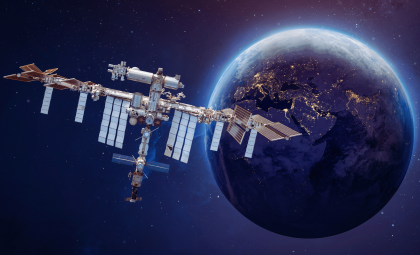
SEN’s sophisticated camera rig installed on the ISS enabled this breathtaking meteor explosion capture. Positioned approximately 408 kilometers above Earth, these Ultra High Definition cameras provide continuous streaming images, showcasing geographical events down below in stunning detail.
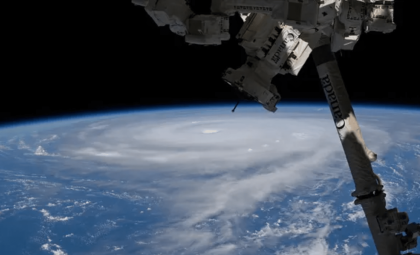
This technology has also recorded other notable phenomena, such as an April 2025 solar eclipse and Hurricane Milton in October. As SEN reveals, the cameras stream Earth imagery for over 20 hours daily, with minimal interruptions due to routine signal interference. This live feed is accessible to the public via the SEN YouTube channel and website, offering an unparalleled environmental and cosmic vantage point.
Opening a New Era in Space Observation
Most meteoric events go unnoticed because they either burn out rapidly or take place over less populated regions. Thanks to ISS-mounted cameras, these occurrences can now be observed live. The unique purple tint of this bolide has sparked excitement among space fans, who have shared their reactions online.
“The few that I’ve been fortunate enough to witness firsthand have all been green,” commented a Reddit user. “This purple is striking. Must have been something to see.”
“I remember seeing it, thinking it was a plane or chopper,” another eyewitness recalled. “Then it got a little brighter, and then… gone.”
- Categories:
- News





0 comments
Sign in to Comment