
When heading out, most people remember essentials like keys, wallet, bag, and phone. However, an often-overlooked security step is switching off the phone’s Wi-Fi. Although it seems harmless to keep it on, cybersecurity experts warn this habit exposes your personal info, location, and device to risks as soon as you leave your private network.
Smartphones continuously search for nearby Wi-Fi networks, sending out probe requests that reveal device details and past connections. Such signals can be intercepted by hackers to monitor your movements or force connections to fraudulent networks without your knowledge. Given how phones store critical information like bank details, authentication keys, personal correspondence, medical records, and work credentials, these dangers significantly outweigh mere inconveniences.
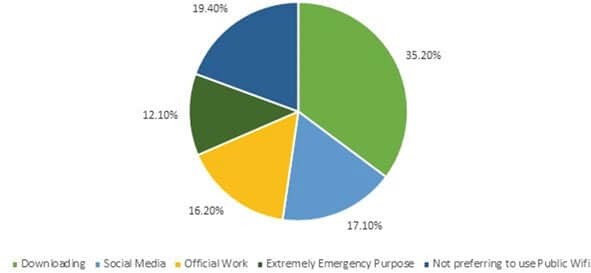
The explosion of public Wi-Fi availability has shifted it from a luxury to a daily expectation. Yet user caution and security measures haven’t kept pace, leaving countless individuals vulnerable. Cybersecurity professionals emphasize that exploiting typical user habits now requires minimal technical tools.

Public Wireless Networks as a Rising Security Threat Worldwide
Studies confirm public hotspots pose serious cybersecurity challenges. Research such as this analysis of public Wi-Fi captive portals revealed widespread tracking practices, including persistent third-party cookies and browser fingerprinting, enabling long-term monitoring even before users consent.
Additional findings, documented in The Rise of Public Wi-Fi and Threats, show attackers intercept data on unsecured networks, steal login info, and spread malware with rudimentary scanning tools accessible to novices. Open Wi-Fi remains one of the easiest ways to compromise accounts and steal identities.
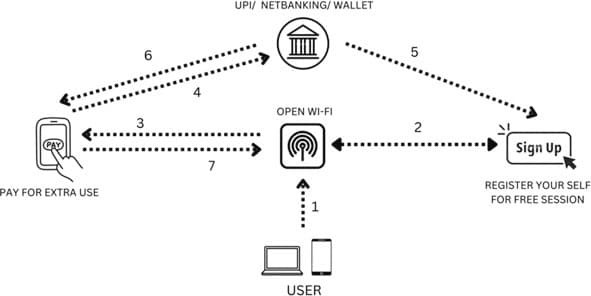
Even networks requiring passwords aren’t fully secure. A recent 2024 technical study exposed vulnerabilities that allow attackers to hijack encrypted TCP sessions, proving shared passwords and WPA protections don't guarantee safety.
Industry advice also warns against “evil twin” hotspots—fake access points imitating legitimate Wi-Fi at airports or cafes, tricking devices into connecting automatically and capturing unencrypted data silently.
Keeping Wi-Fi Active After Leaving Home Opens Hidden Risks
When Wi-Fi remains on, a smartphone emit signals constantly, even if not connected. These probes transmit identifying details like MAC addresses and known network names, making it possible to track users or create fake networks to gain device access automatically.

Behavioral studies support this warning. The peer-reviewed Blind-trust: Raising awareness of the dangers of using Public Wi-Fi article found that users often connect to public networks despite known vulnerabilities due to convenience, increasing their exposure.
This combination of predictable user patterns, automatic signals, and a growing attack landscape creates an ideal environment for cyber threats.
Cybersecurity Experts’ Top Recommendations
Experts advocate turning off Wi-Fi immediately after leaving your residence and only enabling it when connecting manually to trusted networks. This simple step prevents your phone from broadcasting probes, exposing network data, or connecting to unsafe hotspots.
Key security tips include:
- Use mobile data or a personal hotspot instead of public Wi-Fi for sensitive tasks
- Disable automatic network connections
- Employ a VPN to encrypt data when public connections are unavoidable
- Refrain from entering passwords or financial information on shared networks
- Keep devices updated with the latest security patches
With infrastructure standards lagging, managing Wi-Fi settings has become an essential personal cybersecurity duty.
The Larger Implications of a Simple Wi-Fi Switch
Phones have evolved into key digital identity devices, handling payments, workplace access, health information, and secured government interactions. A compromised connection can threaten entire systems beyond casual use, including financial networks, remote working environments, and biometric safeguards.
Once synonymous with convenience, public Wi-Fi is increasingly recognized as a fertile ground for cyberattacks and data exploitation. Although turning off Wi-Fi when outside may feel minor, it remains one of the most straightforward protective actions for average users.
While advancements in system-wide protections and awareness unfold, one truth stands firm: the safest internet connection is the one you actively select—not the one your smartphone connects to silently in the background.
- Categories:
- News













0 comments
Sign in to Comment