
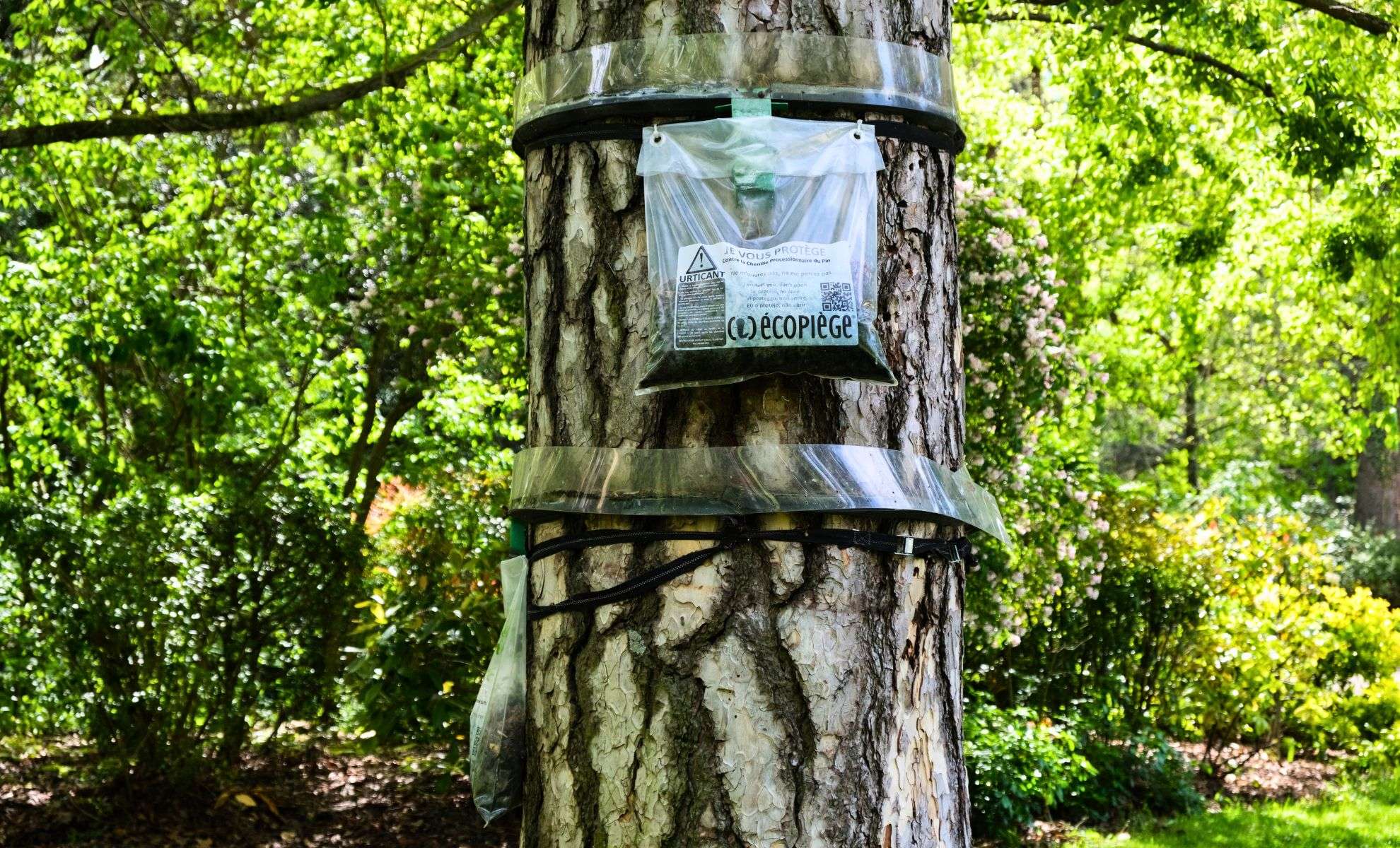
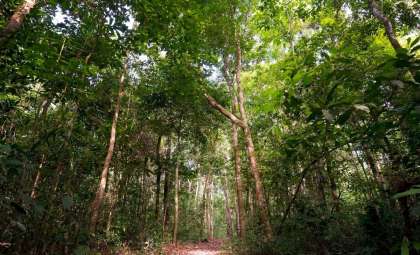
With the arrival of spring, parks and woodlands burst into vibrant life, enticing nature lovers to explore. However, amid this seasonal renewal, a peculiar and alarming marker has started appearing: plastic bags tied around tree trunks. Rather than being mere trash, these bags are intentional warnings of nearby hazards. In many forested areas, particularly across parts of Europe impacted by pine and oak processionary caterpillars, these plastic barriers have become common, stirring concern among hikers and locals.
Unseen Hazards in the Forest Ecosystem
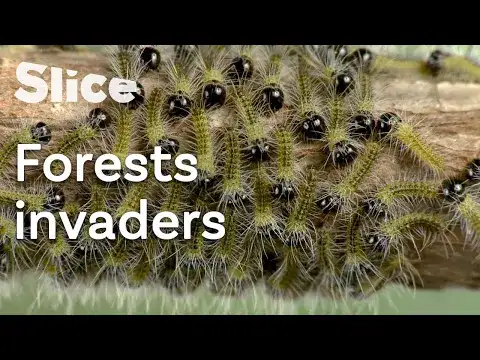
Known for their unique habit of traveling in long single-file lines, processionary caterpillars are more than just a pest. According to ANSES, these caterpillars are covered in tiny, detachable hairs that can become airborne with ease. “The danger lies in their microscopic urticating hairs, which detach easily and float through the air,” ANSES explains.
Contact with these hairs can lead to a range of health problems including itchy rashes, eye inflammation, and respiratory difficulties. In severe incidents, anaphylaxis—the rapid and potentially fatal allergic reaction—can occur.

The threat is particularly concerning since symptoms can arise without direct contact; simply being near infested trees or nests is enough for exposure, making awareness and caution vital for those enjoying affected outdoor spaces.
Risks Extending to Pets and Wildlife
The risk stretches beyond humans to animals such as cats and dogs, which are vulnerable to the caterpillars’ toxins. Pets investigating by smell or touch can unknowingly come into contact with the insects. ANSES warns, “If a dog sniffs or licks one of these caterpillars, it can suffer from necrosis of the tongue, excessive drooling, and respiratory distress.” Urgent veterinary care is often necessary to save affected animals.
Due to these hazards, landowners and local officials implement preventative strategies during the pests’ active periods to safeguard both people and animals from harm.
The Function of Eco-Friendly Traps
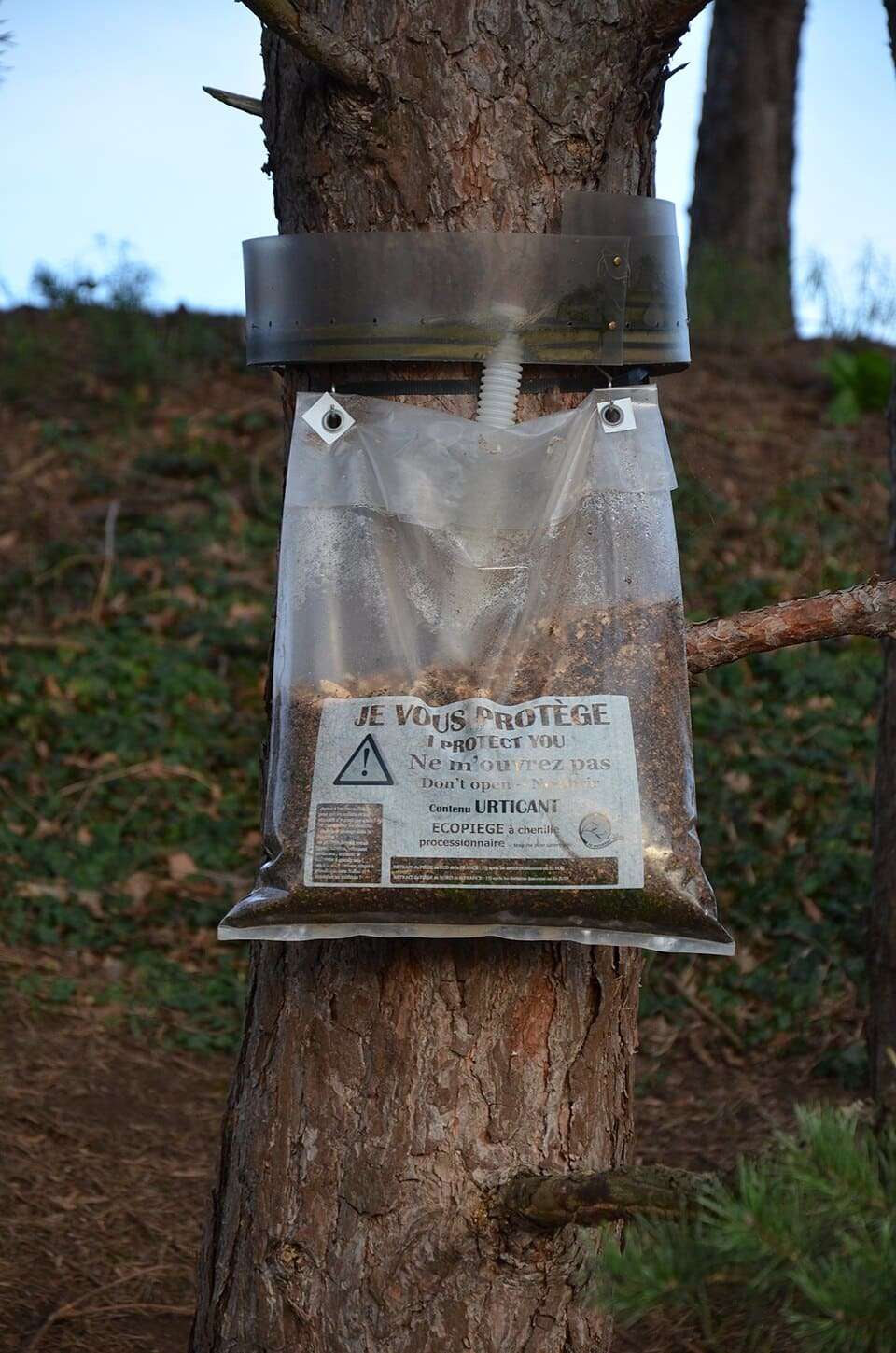
Communities and property holders have turned to effective eco-friendly traps positioned around tree trunks. These devices combine a funnel, container, and the distinctive plastic bag to intercept caterpillars descending to the ground for their pupation stage. Capturing them at this vulnerable phase helps control populations.
Besides trapping the insects, these plastic bags act as visible alerts. As ANSES notes, “while the trap captures many of the insects, others may still be crawling on the trunk or in the surrounding area. Their hairs remain potent even when they are not directly visible.” This makes spotting a plastic bag on a tree a cue for heightened vigilance.
Guidelines for Safety and Community Awareness
Experts strongly advise against touching or getting too close to these marked trees. The irritating hairs can linger on bark and in the surrounding air for long durations. Children should be kept away, and pet owners should exercise similar prudence.
If these traps are discovered without official signage, reporting them to local environmental authorities is recommended. Amiri warns that “removing or destroying the nests yourself is not advisable,” given the ongoing risk from the caterpillars’ hairs.
The increasing deployment of these plastic bag traps highlights the challenges posed by seasonal insect pests to public health and ecosystems. They serve as crucial reminders to stay attentive and cautious throughout warmer seasons when outdoor interaction with nature escalates.










0 comments
Sign in to Comment