
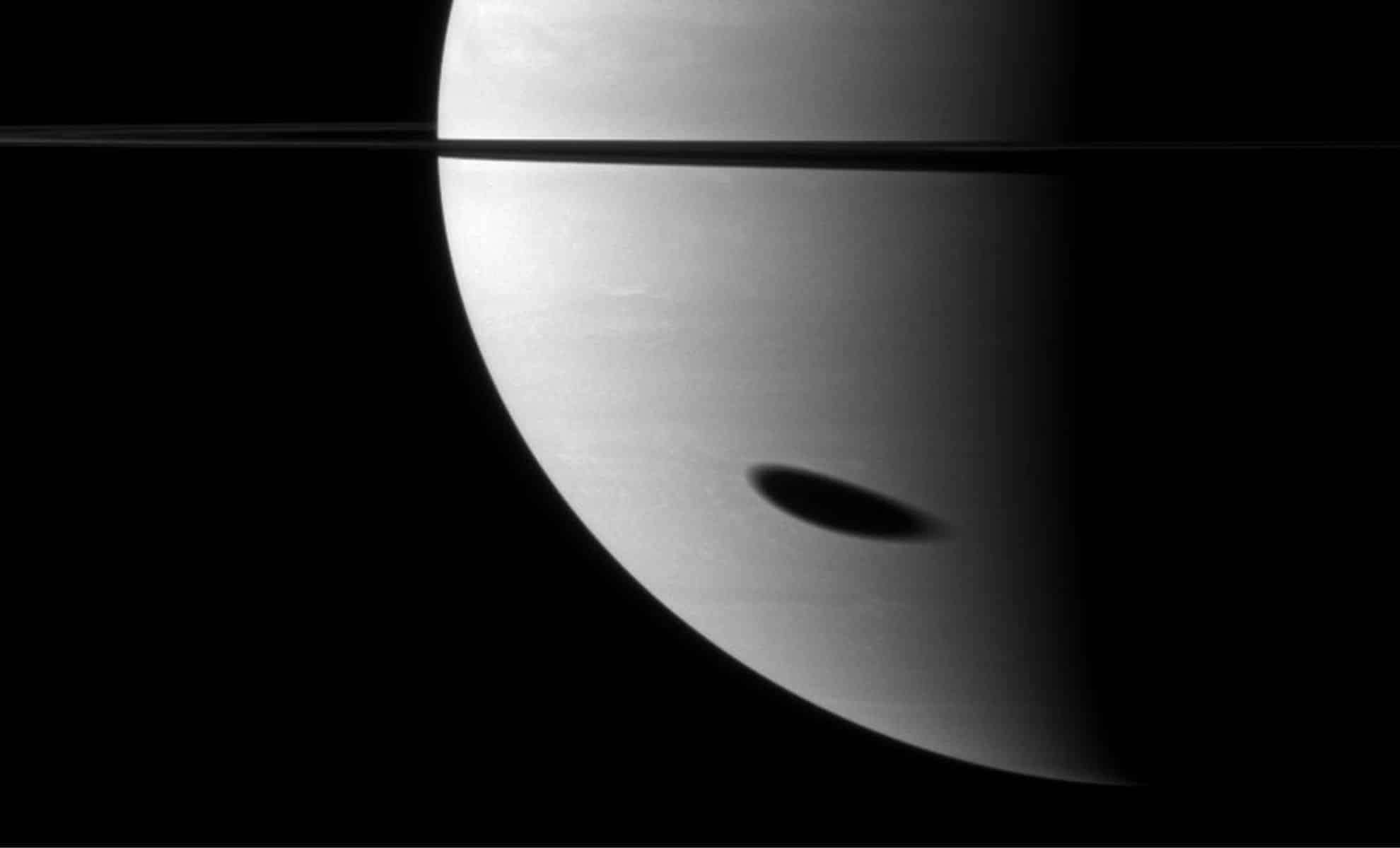
On August 19, 2025, skywatchers across much of North America have the chance to witness a striking astronomical event: a shadow transit involving Saturn and its largest moon, Titan. According to a recent report by Sky & Telescope, this phenomenon is part of a rare “Titan shadow transit season,” occurring roughly every 15 Earth years.
The Spectacle of Titan’s Shadow Passing Over Saturn
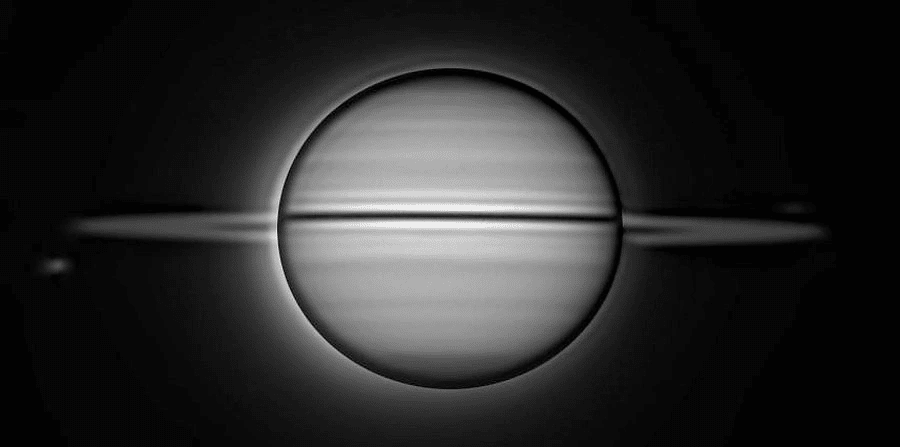
A shadow transit on Saturn happens when one of its moons moves directly between the planet and the Sun, causing its shadow to be cast clearly onto the planet’s cloud tops. Titan stands out due to its large size and dense, hazy atmosphere, producing a prominent, circular shadow traveling slowly across Saturn’s surface visible through telescopes.
Such transits are limited to brief windows called “transit seasons,” which occur when Earth aligns with Saturn’s equatorial plane. This season started in July 2025 and will continue into early 2026. The upcoming event on August 19 promises one of the most easily observable Titan shadow transits of the season.

Viewing Details for August 19
Observers across North America will have optimal viewing conditions. Saturn rises in the southeast soon after sunset and peaks near midnight local time. Titan’s shadow transit is expected to commence near 10:45 p.m. EDT and continue for almost four hours.
You won’t need elaborate gear—telescopes with a minimum aperture of 4 inches are sufficient, though scopes providing magnification above 100x will reveal finer shadow details. A sturdy mount, clear weather, and reduced light pollution will optimize the viewing experience.
Complementary Night Sky Highlights: Jupiter and the Moon
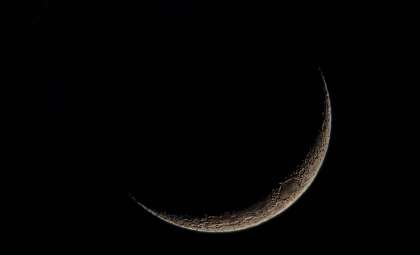
This event coincides with the rise of Jupiter and a brightening waxing gibbous Moon. Jupiter, the second-brightest object after the Moon, will showcase its major moons—Io, Europa, Ganymede, and Callisto—arranged in a striking pattern easily seen with small telescopes.
The nearly full Moon will illuminate the early evening sky without overwhelming the view, remaining high enough to study lunar surface details. Together, these three celestial objects will form an elegant arc across the southern sky.
Scientific Importance of Titan’s Shadow Transits
While awe-inspiring for observers, Titan’s shadow transits also yield valuable scientific data. They help researchers understand orbital mechanics, atmospheric properties, and how moons gravitationally influence their planets.
Interest in Titan is heightened by its thick nitrogen atmosphere, surface methane lakes, and an inferred subsurface ocean. These features have made Titan a key target for exploration; NASA’s Dragonfly mission, slated for arrival in the mid-2030s, will send a rotorcraft to investigate Titan’s landscape. Precise timing and observation of these shadow events assist mission planning and navigation.
Maximizing Your Viewing Experience
Even with basic equipment, you can enjoy this celestial event. Consider these tips:
- Employ a telescope of at least 4 inches aperture
- Allow your gear to acclimate for 30 minutes or more before viewing
- Pick a site with low light pollution and clear views toward the southeast
- Use a planetary filter to boost contrast on Saturn’s disk
- A motorized tracking mount will help keep Saturn centered as it moves
Advanced observers may try capturing the event using long-exposure astrophotography or stacking multiple frames for detailed imagery of Titan’s shadow.
Looking Ahead: More Transits Before the Season Ends
After August 19, additional shadow transits will occur during this season, but Earth’s changing vantage point and Titan’s orbit will make these increasingly difficult to observe.
When the transit season wraps up midway through 2026, Titan’s shadow transits will not recur for almost 15 years. This makes the upcoming weeks, and in particular the August 19 event, a rare and thrilling opportunity for planetary enthusiasts.
- Categories:
- News









0 comments
Sign in to Comment