

Across the globe, many people start their day with a hot shower. This act has become deeply ingrained in daily life, rarely questioned, and upheld by habit, advertising, and social customs. From teenage years onward, daily washing is often seen as a given, entwined with both personal care routines and societal norms.
However, the scientific basis for daily showering is surprisingly unclear. There are very few medical recommendations specifying how frequently one should shower, and even fewer that advocate daily washing. The long-standing assumption that frequent showers automatically mean better cleanliness is now under review.
This shift in thinking extends beyond scientific forums. In dermatology practices, wellness blogs, and celebrity discussions, the conversation is evolving. The emphasis is moving away from the frequency of showers toward understanding the purpose behind washing and whether daily washing truly suits our skin’s biology.

Daily Showering Isn’t Medically Necessary
Clinically speaking, most people don’t need to shower every day. Dermatologists featured in Medical News Today highlight that healthy skin carries a protective layer of oils and friendly microbes which can be damaged by frequent washing, especially when using hot water or antibacterial soaps.
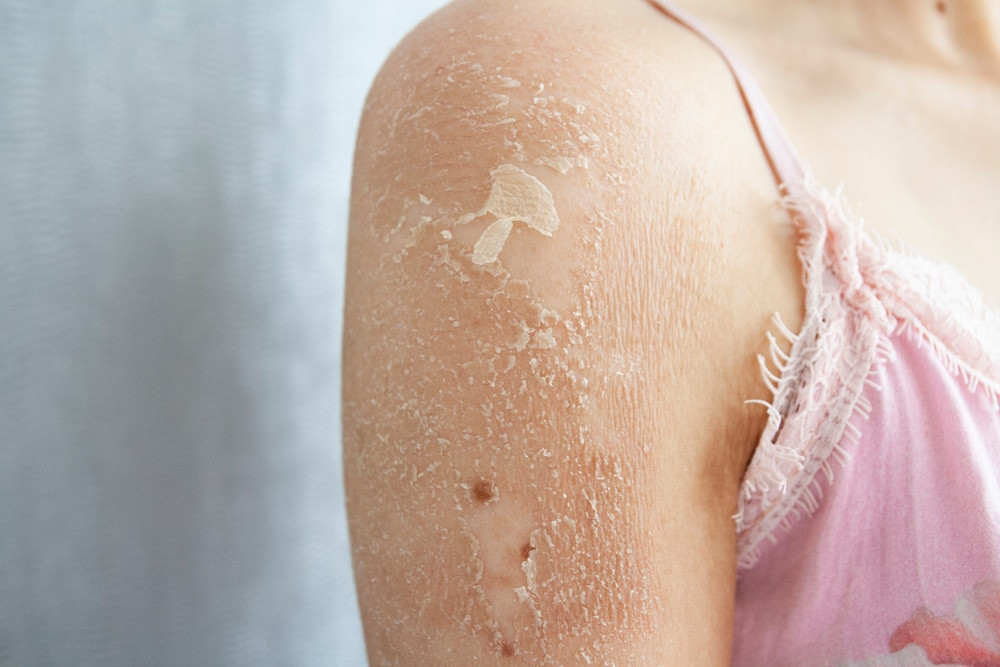
The Harvard Health Blog also warns that daily showering might cause dryness and irritation by stripping away natural oils. This can increase vulnerability to allergens and bacteria, especially when the skin becomes cracked or inflamed. For most, a daily full-body wash isn’t medically required; instead, brief showers a few times weekly may be adequate.
In colder seasons or dry climates, the negative effects of frequent washing become more noticeable. Experts suggest using warm water instead of hot, keeping showers under five minutes, and moisturizing immediately afterward to retain skin hydration.
Study Finds No Impact on Eczema by Bathing Frequency
A clinical study published in the British Journal of Dermatology explored how often eczema patients should bathe. It revealed no significant difference in skin condition between those bathing daily and those bathing weekly. The researchers concluded that for eczema sufferers, the choice of bathing frequency can be based on personal preference rather than strict guidelines.

Such findings echo the wider dermatological view that over-washing can be detrimental, especially for sensitive or eczema-prone skin. Extended use of soap and water may erode the skin’s lipid barrier, leading to a dependence on moisturizers aimed at restoring natural oils.
Physician and author James Hamblin, in his book Clean: The New Science of Skin, attributes public hygiene expectations to the influence of advertising. During an interview with Süddeutsche Zeitung Magazin, he explained that many commercial campaigns promote full-body washing rituals without scientific basis. He advocates for more moderate, selective washing aligned with skin health.
Changing Cultural Practices and Views
The conversation around shower frequency also reflects shifting cultural patterns. Prominent celebrities including Mila Kunis, Ashton Kutcher, and Kristen Bell have openly shared their preference for limited full-body showers, favoring spot cleaning and reduced soap use. Their choices are motivated by concerns for skin health and environmental impact.
However, not everyone embraces this approach. For instance, actor Dwayne Johnson publicly admits to showering up to three times a day, demonstrating diverse personal hygiene habits even among public figures.
Global customs also vary: daily showers are typical in the United States and Australia, whereas in parts of Europe and China, bathing less frequently is common and not linked to any health problems. These differences stem more from cultural expectations than scientific advice.
Rethinking Hygiene with New Insights
Emerging dermatological research is challenging traditional showering habits. While personal preferences for daily washing are valid, evidence does not support the idea that daily showers are universally essential. Shorter showers with milder products, done less often, may boost both skin health and environmental sustainability.
Open questions persist regarding how various factors—such as environment, skin type, and occupation—influence ideal hygiene routines. As understanding of the skin microbiome advances, official recommendations may continue to evolve.
Presently, individuals are encouraged to revisit their cleaning habits with consideration of new research. In many cases, bathing less frequently could be harmless and possibly beneficial.
- Categories:
- News













0 comments
Sign in to Comment