
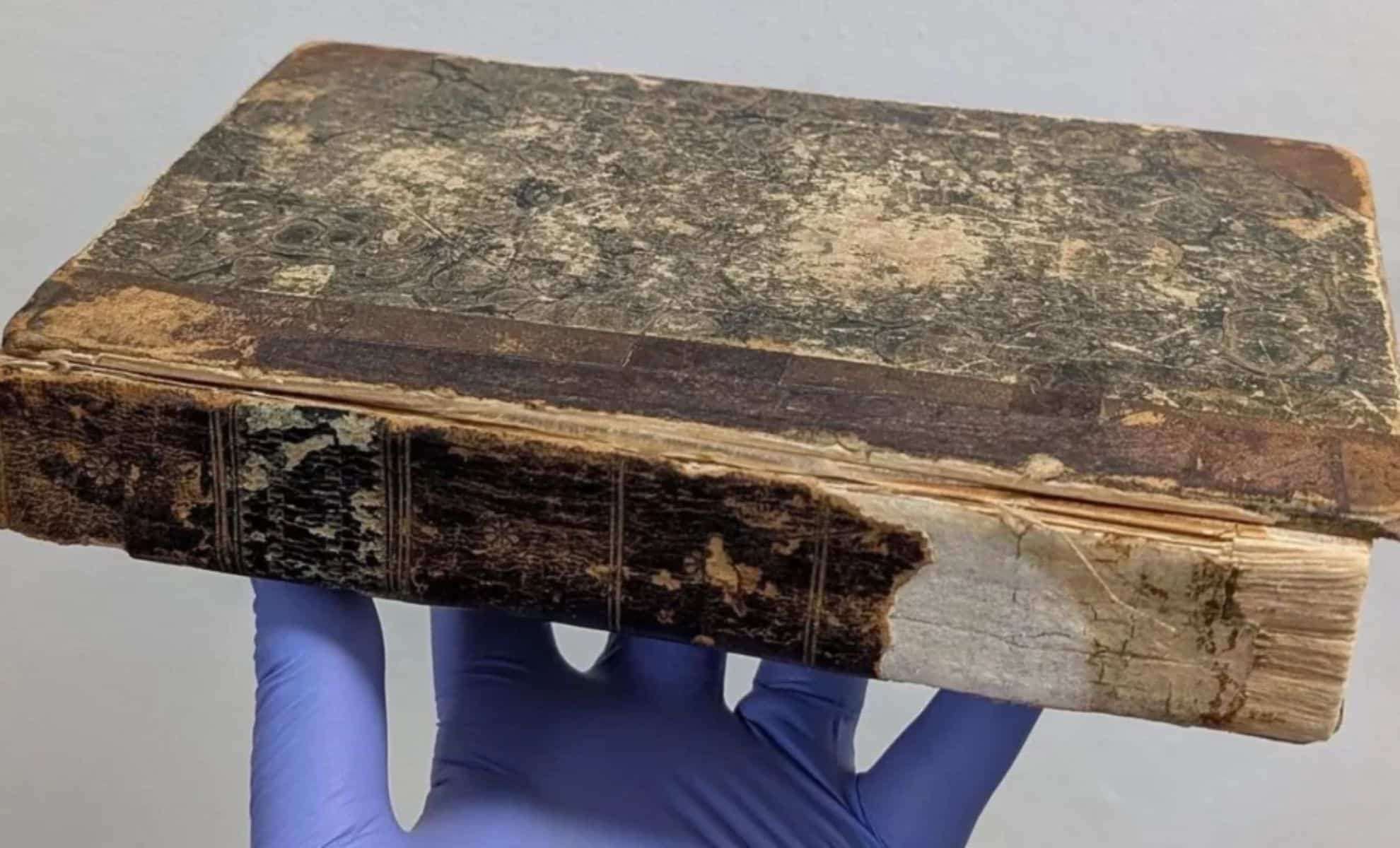
A chilling relic has resurfaced at Moyse’s Hall Museum in Bury St Edmunds, Suffolk: a book bound in what is believed to be the human skin of William Corder, a notorious British murderer. Corder was found guilty of the infamous Red Barn Murder in 1827, a crime where he killed his lover, Maria Marten.
The Grim Story Behind the Artifact
The Guardian reports that the tragic tale of the Red Barn Murder involves deceit and treachery. William Corder, a local farmer known for his dishonesty, tricked Maria Marten into meeting him at the Red Barn in Polstead with promises of running away together. Instead, he murdered her and concealed her body in the barn, fabricating stories to explain her disappearance. Disturbed by nightmares, Maria’s stepmother alerted authorities, leading them to uncover her body in the barn.
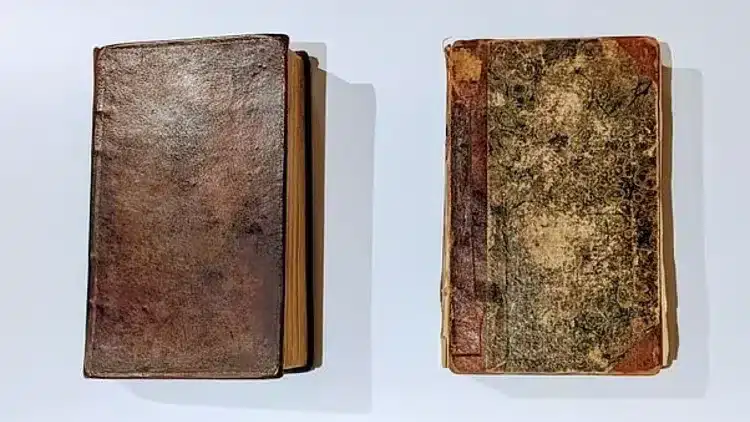
The trial of William Corder attracted massive public attention, culminating in his 1828 execution. Following the hanging, his body was dissected, and a grisly detail emerged: his skin was used to bind a written account of the murder. This book, titled An Authentic and Faithful History of the Mysterious Murder of Maria Marten, has been showcased at Moyse’s Hall Museum since 1933.

Unearthing the Forgotten Tome
Recently, museum staff stumbled upon another volume bound in what appears to be Corder’s skin during a routine inventory. This second book, unlike the fully bound first book, features human skin only along the spine and corners.
Once labeled a “museum loss,” this volume had been largely overlooked and was not officially catalogued in the collection. Dan Clarke, the museum’s heritage officer, remarked that such oversights occur occasionally within large collections. The fact that this startling book remained hidden for so long among office shelves underscores the rare and eerie nature of the find.
A Disturbing Historical Custom
Now displayed side by side, these two books provide a haunting glimpse into 19th-century justice and the unsettling practice of binding books with human skin. While one book is entirely wrapped in skin, the second’s partial binding is equally unnerving. Analysis suggests both books were made using skin from William Corder.
Known as anthropodermic bibliopegy, the use of human skin for bookbinding, though unusual, was practiced occasionally during the 19th century, particularly with notorious criminals whose cases captured the public’s imagination. Such books were regarded as grotesque trophies, intended to immortalize the crimes. Today, they serve as eerie reminders of a brutal past and raise questions about posthumous punishment.
A Debate Over Displaying Such Artifacts
The revelation of this human skin-bound book has sparked controversy over the ethical considerations of exhibiting human remains in museums. Some critics, including Terry Deary, have labeled these books “sickening artifacts,” while museum officials defend their educational value. Dan Clarke highlighted that the books help society face difficult facets of history rather than serving as macabre curiosities.
Clarke explained that, although other institutions like Harvard have removed similar relics, Moyse’s Hall Museum continues to publicly display these books. “Human remains are present in museums nationwide,” he noted, adding that no complaints have been registered about these items during their 92 years of display.
Currently exhibited alongside other historical items, like a gibbet cage, these books fuel ongoing discussions about how museums should handle unsettling remnants of history.
- Categories:
- News













0 comments
Sign in to Comment