
A frequently asked question in household hygiene revolves around the optimal washing schedules for towels and bedsheets. Despite both being essential daily items, their cleaning routines differ because of their distinct uses and exposure.
The Role of Towels in Bacterial and Fungal Growth
Towels collect residues such as dead skin and bacteria, making them hotspots for microbial build-up. Because they remain damp after use, especially post-shower, they offer an ideal environment for the growth of bacteria and mold. It’s advisable to launder them every three to four days to maintain hygiene.
Scientific Perspective: Towels often harbor microorganisms including E. coli and Staphylococcus, thriving in moist conditions. If towels are left damp in enclosed spaces, mold can develop, potentially causing skin problems. Their higher moisture retention compared to sheets promotes quicker microbial multiplication.

Recommended Schedule for Washing Bed Sheets
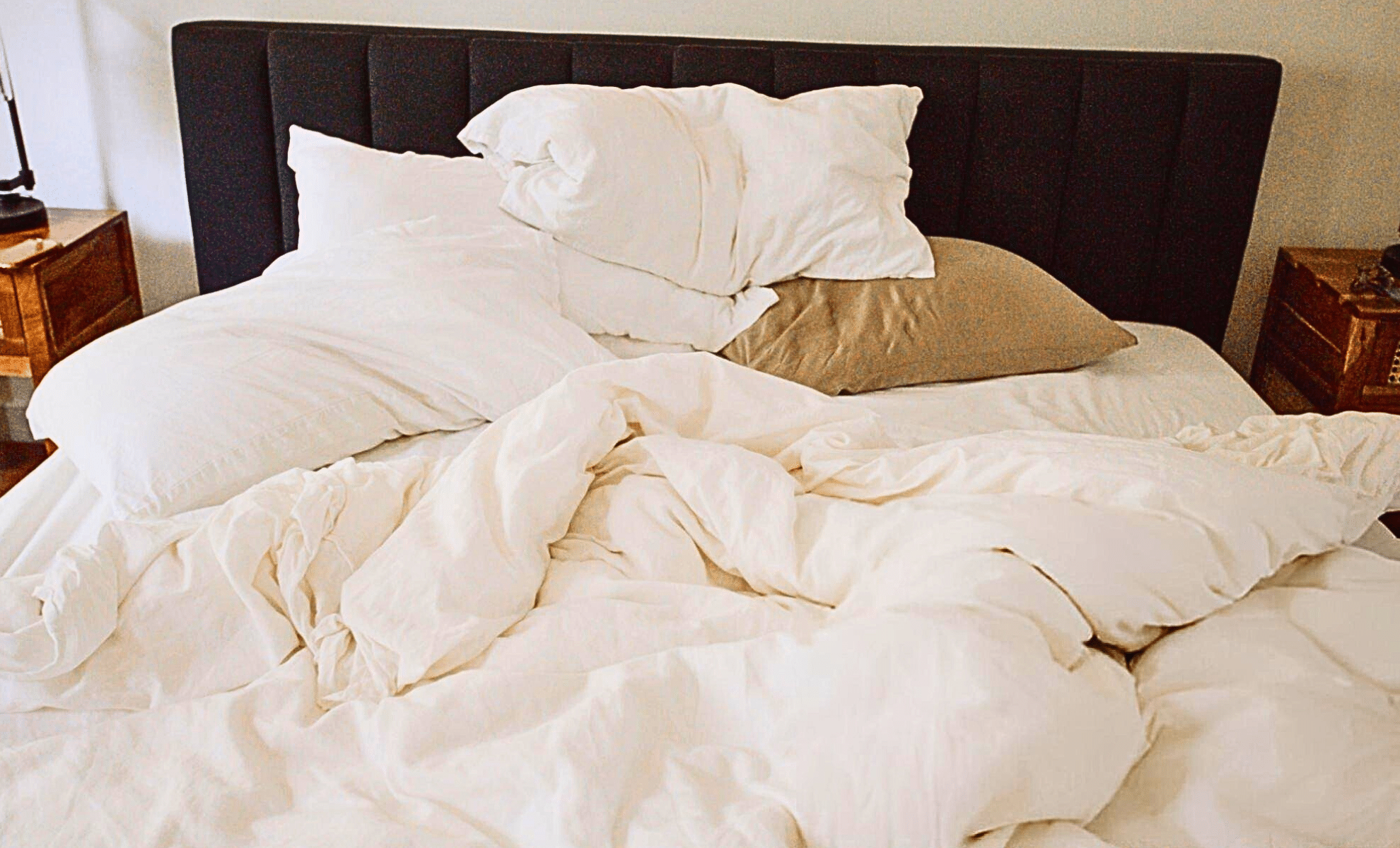
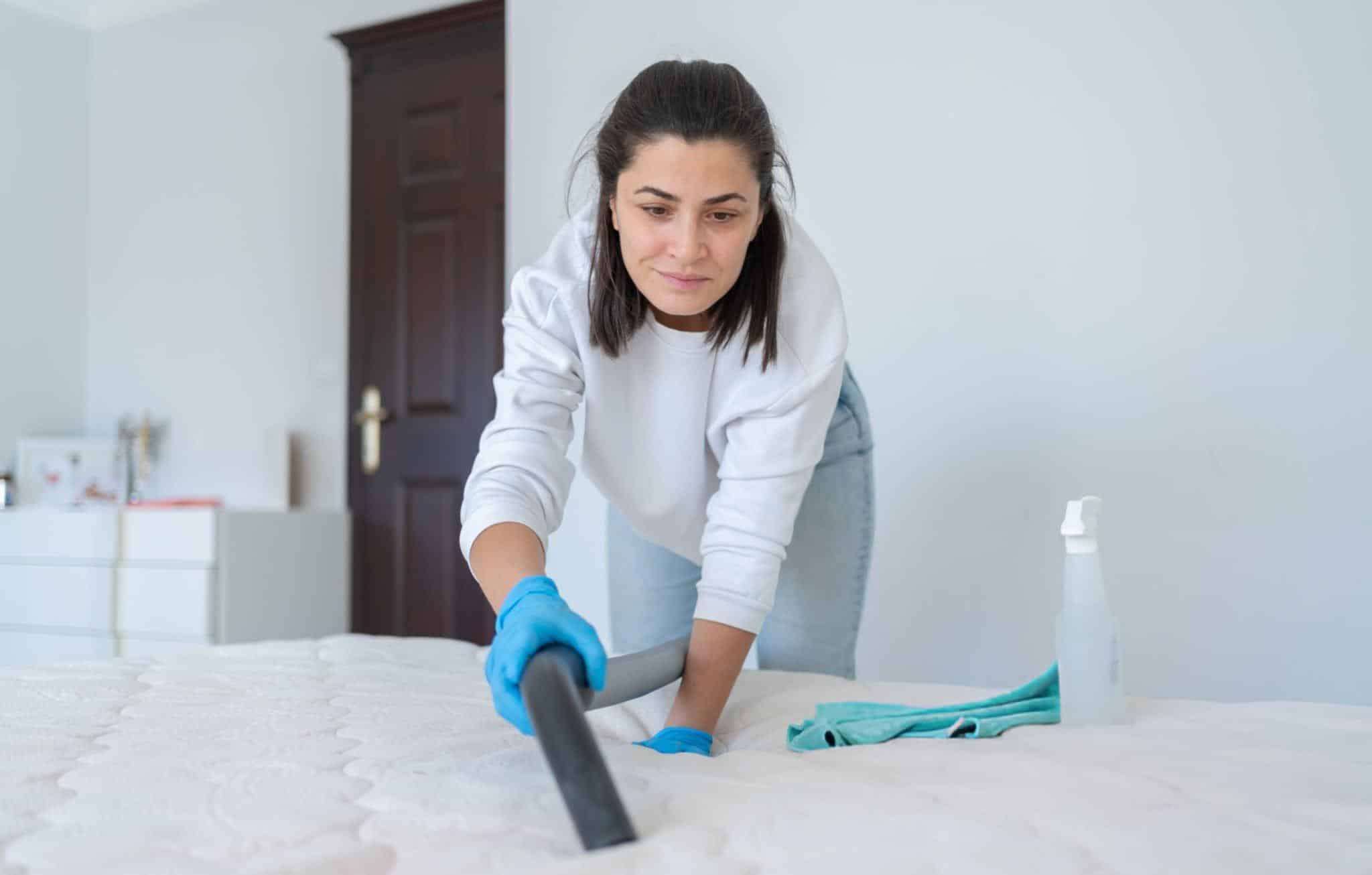
Bed sheets do not require as frequent washing. Since they generally stay dry longer than towels, washing them every one to two weeks is sufficient for most people. Yet, those who experience heavy night sweats may benefit from more frequent laundering.
Essential Factors for Bed Sheet Maintenance: Perspiration during sleep increases moisture levels on sheets, attracting dust mites and bacteria. For individuals who sweat excessively, more regular sheet washing is important. Accumulated dead skin cells also contribute to microbial presence on bedding.

The Truth About Self-Cleaning Fabric Technologies
Some textiles claim to feature self-cleaning or quick-drying functions, often incorporating materials like nanosilver. While these fabrics can reduce bacterial growth and odors, they cannot completely eliminate oils, sweat, and skin debris, which means regular washing remains necessary.
Technical Overview of Antimicrobial Fabrics: Fabrics infused with nanosilver release silver ions that inhibit bacterial survival. Despite this, dirt and organic residues persist, and bacteria can eventually develop resistance to these antimicrobial treatments, reducing their long-term efficacy.
Optimal Washing Guidelines and Temperature Settings
How often you should wash towels and bed sheets depends on your personal routines and habits. Regular showering before bed and night sweating might mean you need to wash linens more frequently. Towels are best washed at higher temperatures, such as 65 °C, to thoroughly eliminate bacteria.
To conserve energy, washing towels at lower temperatures while adding a cup of vinegar can effectively combat microbes and odors. Maintaining your washing machine by cleaning it regularly and drying rubber seals after use prevents germ build-up inside the machine.
Managing Stubborn Odors in Towels
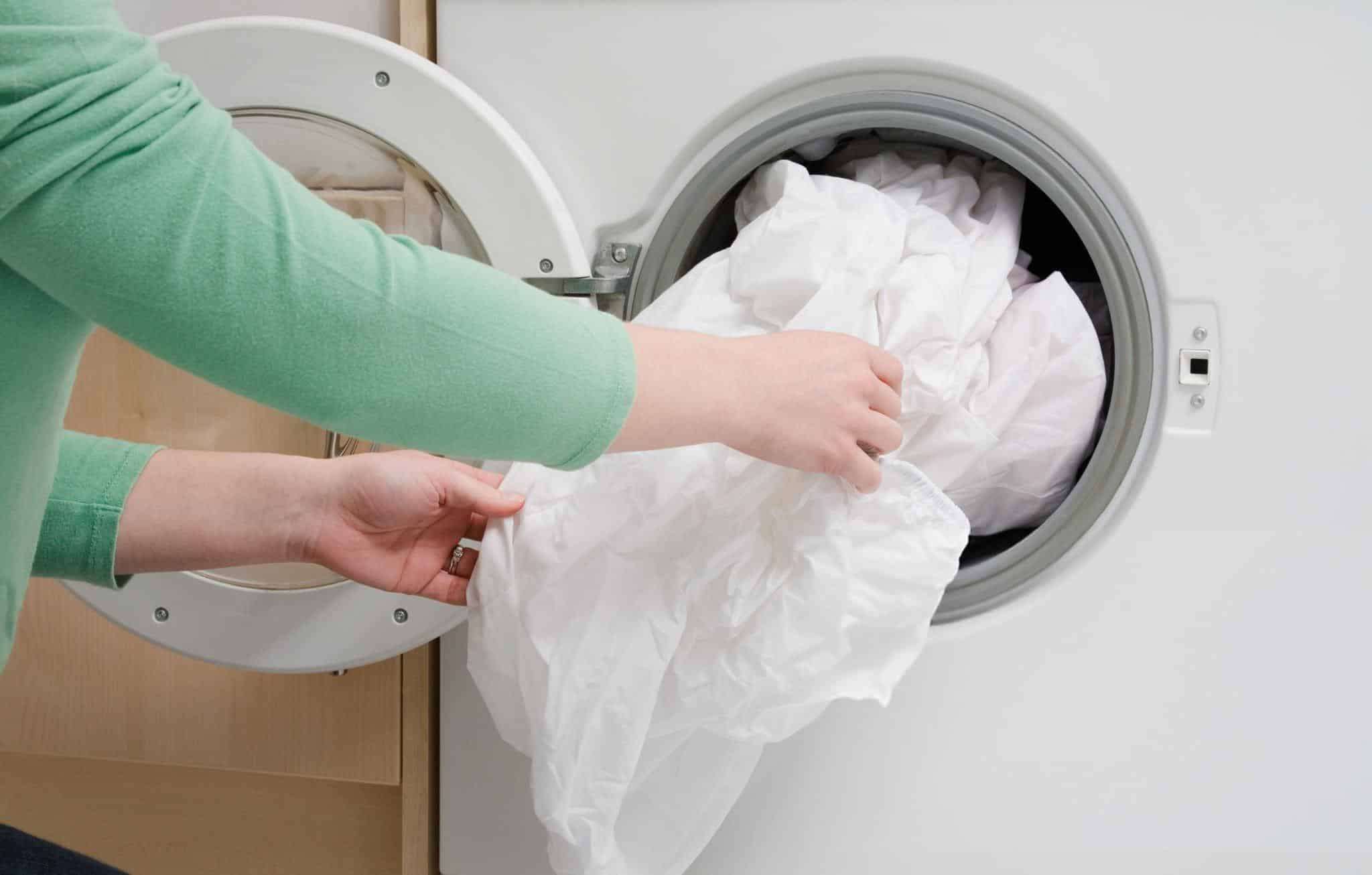
If towels emit unpleasant smells even after cleaning, it might be due to leaving them inside the washing machine too long at cycle’s end. Warm, damp towels promote rapid bacterial growth, doubling their population every 30 minutes under lab conditions.
It is crucial to hang towels to dry right after use. Sunlight drying is especially effective at quickly drying and deodorizing towels through natural UV rays. Dryers offer an alternative but are less efficient than sun exposure.
Scientific Explanation for Towel Odors: Bacterial populations in damp towels left in washers can double every 30 minutes. Immediate drying curtails this growth. Sunlight’s UV radiation is a powerful natural disinfectant, making it the most effective way to eliminate towel odors.
- Categories:
- Health











0 comments
Sign in to Comment