
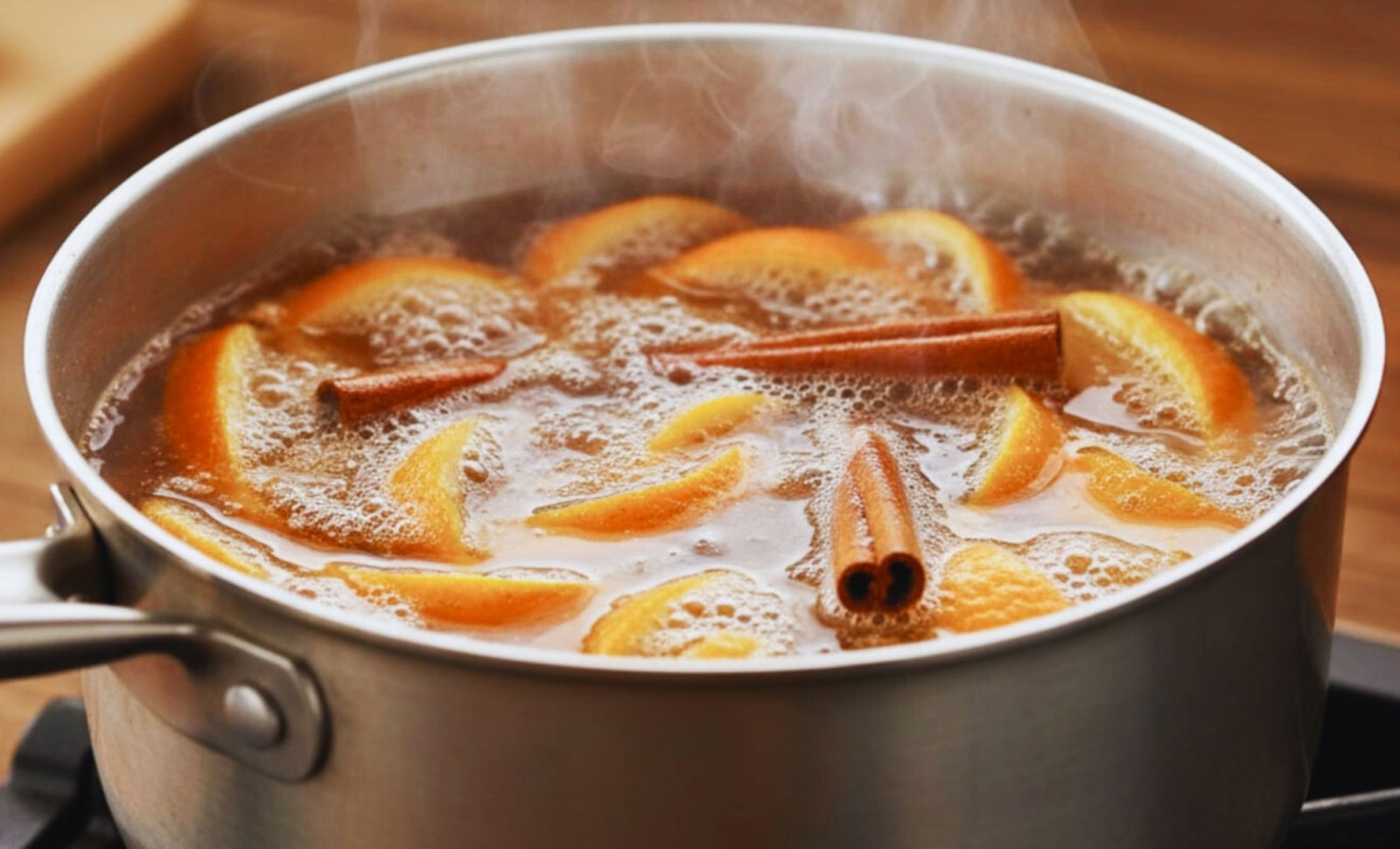
Recently, a simple kitchen practice has been quietly embraced by many: boiling orange peels together with cinnamon sticks. While supporters enjoy its cozy fragrance and comforting familiarity, there’s a deeper question at play. Could this humble mixture hold genuine biochemical benefits beyond just pleasant aromas?
New scientific evaluations and experimental studies increasingly point toward its potential significance. As natural antimicrobial agents and air-purifying methods gain attention, common kitchen leftovers and spices are being reconsidered. What was once regarded as mere tradition is now being rigorously studied by researchers in biochemistry, neuroscience, and public health alike.
This convergence of folk remedy and scientific evidence places orange peels and cinnamon in the spotlight. Researchers ask: Can everyday ingredients offer real health advantages beyond their smell? And if so, how meaningful are those effects?

Simple Simmering as a Natural Air Cleanser
The practice itself is quite basic: boil a few orange peels alongside several cinnamon sticks in water for roughly 10 to 15 minutes. This process fills the space with a fragrant, citrusy-spiced vapor that many find more refreshing than chemical air fresheners. More importantly, this steam disperses biologically active molecules known for their antibacterial and antifungal activities.
A 2023 comprehensive review featured in the Journal of Food Chemistry & Nanotechnology highlighted how orange peels, often discarded as waste, are rich in flavonoids, phenolic acids, and carotenoids. These antioxidants have been linked to reducing oxidative stress inside cells. Notably, these compounds concentrate in the citrus albedo—the white part usually removed during cooking—which becomes bioactive once warmed and released into the air.
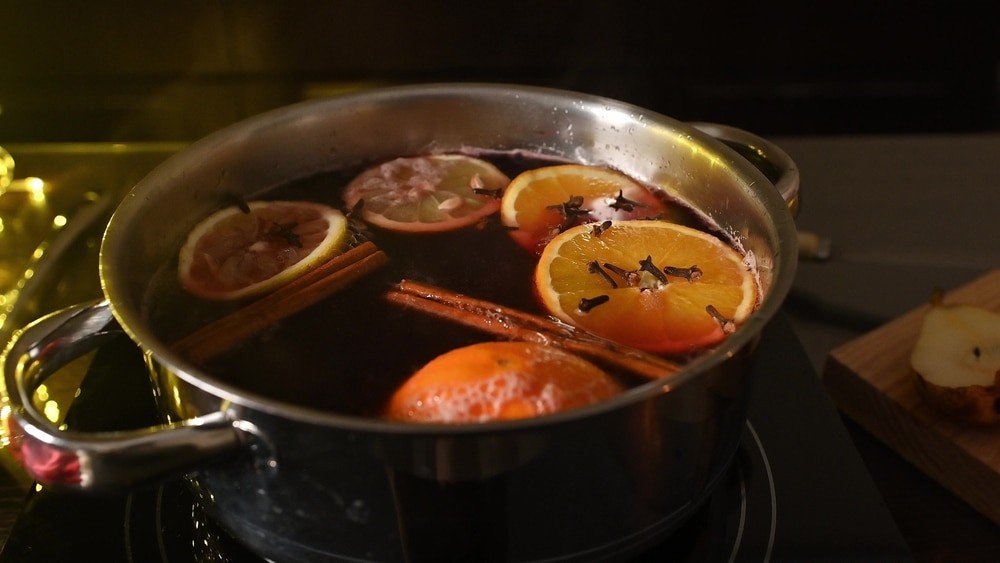
On the spice front, research is equally revealing. A key review in Critical Reviews in Food Science and Nutrition identified that Cinnamomum zeylanicum (Ceylon cinnamon) exhibits strong antimicrobial, antioxidant, and anti-inflammatory effects both in lab and animal studies. Although mostly tested in controlled conditions, cinnamon’s efficacy against airborne bacteria sparks interest in its potential to improve indoor air quality.
Importantly, both cinnamon and orange peel compounds have been proven effective against pathogens common in damp or stale environments, including Staphylococcus aureus, Escherichia coli, and various fungi. While this doesn’t equate to complete sterilization, it provides a noticeable boost in reducing microbial presence, supported by advancing bioactive compound research.
“What’s remarkable is how much therapeutic potential is hiding in food by-products like citrus peels,” said Dr. Y. Guo, a co-author of a 2022 NIH-supported study on nobiletin, a key citrus flavonoid. “The compounds we isolate in lab settings are already present in these materials, often in high concentrations.”
Impact on Brain Health: A Neuroscience Perspective
Beyond the aromatic and antimicrobial properties, another fascinating area is emerging: neurological benefits. A 2022 overview published in Nutrients examined numerous studies focused on the effects of citrus flavonoids, especially nobiletin, in relation to cognitive function, inflammation reduction, and oxidative stress in the brain.
Clinical trials with human participants showed that regular consumption of citrus peel extracts over weeks improved participants’ memory performance and elevated levels of brain-derived neurotrophic factor (BDNF), a protein essential for learning and neural plasticity. These cognitive improvements were observed not only in older adults but also in people with mild cognitive decline or early symptoms of Alzheimer’s disease.
Cinnamon may support brain health as well. Initial research indicates it contains compounds that may act as insulin sensitizers, assisting glucose metabolism in the brain. This is significant given that impaired glucose use is increasingly linked with neurodegenerative conditions.
While boiling these ingredients releases lower doses of active molecules compared to supplements, the vapor and residual decoctions used as teas or cleaning agents might provide a gentle yet regular source of bioactive compounds with continued use.
Practical Benefits and Broader Health Implications
Aside from aroma and health, the leftover liquid from boiling orange peels and cinnamon is reported to serve well as a natural cleaner for surfaces, floors, and room sprays. This practical reuse extends the lifespan of these ingredients and lowers reliance on harsh chemical products.
More broadly, these substances’ antimicrobial qualities suggest promising applications for cost-effective health measures in communities lacking advanced air purification or disinfectants. Heat-activated compounds from common kitchen ingredients might offer an eco-friendly alternative with potential for easy scaling.
However, experts urge caution. “The data looks encouraging but remains preliminary,” stated Dr. Akira Nakajima, a metabolic health scientist at the University of Tokyo. “Although the trends justify further clinical investigation, we aren’t yet at the stage to recommend widespread public health changes.”
- Categories:
- Trends

















0 comments
Sign in to Comment