
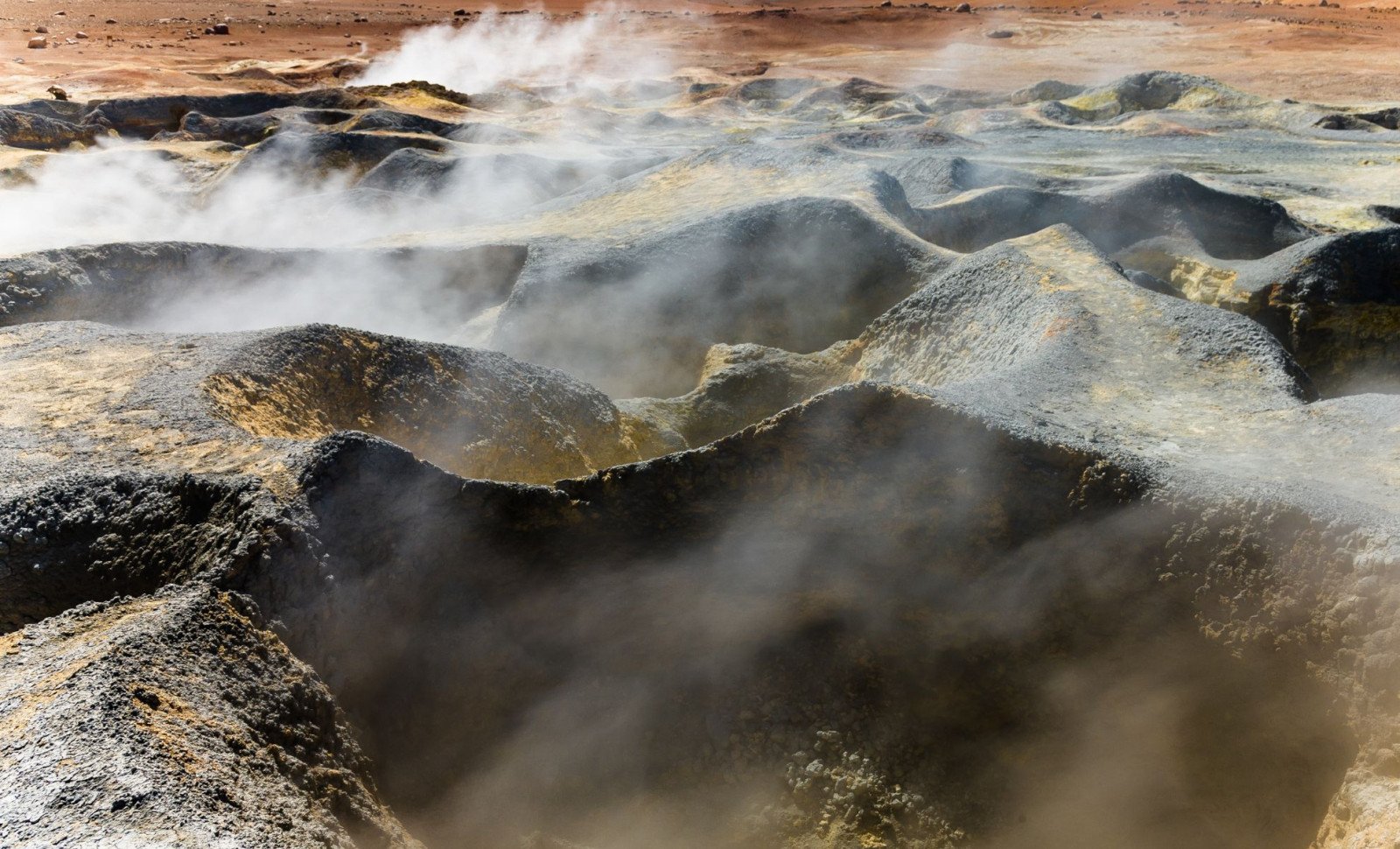
Millions of years ago, dinosaurs inhabited an Earth that was significantly warmer than the planet we know now. Despite these conditions, life flourished. In contrast, contemporary human civilization is grappling with even slight temperature increases. What accounts for this difference?
The answer lies in the rate of climate change. During the dinosaur era, the warming process unfolded gradually over several million years. Today, however, global temperatures have climbed by over one degree Celsius within just two centuries. Scientists identify this rapid transformation as the primary driver behind the current climate emergency.
A 2023 analysis revealed that although ancient Earth was markedly hotter, the slow pace of change allowed ecosystems to evolve and adapt effectively. The rapid changes we witness now outstrip the ability of humans, wildlife, and infrastructure to respond appropriately.

Life Matched the Pace of Gradual Warming in the Distant Past
In the Mesozoic Era, spanning around 250 to 66 million years ago, Earth's environment was far from constant. Average temperatures were approximately 6 to 9 degrees Celsius higher than those experienced today, with atmospheric carbon dioxide levels about 16 times greater. These conditions, driven by natural phenomena including volcanic activity and continental drift, transformed the climate over extended periods.
“Throughout most of the Earth’s history, carbon dioxide levels have generally changed very slowly. That gave organisms and their ecosystems sufficient time to adapt to climate change through both evolution and migration,” Dr. Paul Olsen said in a Lamont-Doherty Earth Observatory statement.
The fragmentation of the supercontinent Pangaea initiated extensive volcanic eruptions, injecting greenhouse gases into the atmosphere. These emissions gradually increased temperatures over millions of years. As reported by DW, this slow change afforded species the opportunity either to adapt through evolution or relocate to more hospitable environments.Georg Feulner of the Potsdam Institute for Climate Impact Research noted that:
“Animal species that don’t love the heat can move to higher latitudes, towards the poles for example. Or they can also adapt through evolutionary processes.”
Today's Climate Change Outpaces Nature’s Ability to Adapt
Since humans began industrialization, the Earth's average temperature has surged by 1.1 degrees Celsius. While this increase seems modest compared to the Mesozoic heat, its unprecedented speed poses substantial challenges.
The rapid consumption of fossil fuels has drastically altered atmospheric composition, straining ecosystems worldwide. Land, forests, and oceans are all experiencing degradation. Events like prolonged droughts, intense heatwaves, and powerful storms have become more frequent.
Feulner emphasized the vulnerability of modern human societies dependent on infrastructure designed for stable climates. Additionally, extreme heat already contributes to hundreds of thousands of deaths globally each year.
Dinosaurs Fell Victim to Rapid Environmental Disruptions
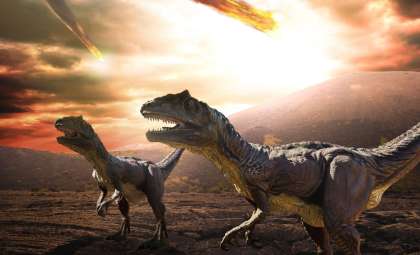
Although dinosaurs endured and adjusted to long-term climatic warmth, they could not survive abrupt ecological upheavals. About 67 million years ago, a catastrophic asteroid collision triggered volcanic eruptions and atmospheric dust clouds that rapidly cooled the Earth by blocking sunlight.
As DW reported, this sudden event led to the extinction of approximately 76 percent of species, including all non-avian dinosaurs. It was not merely the heat or cold extremes but the speed of change that precipitated this mass extinction.
- Categories:
- Science







0 comments
Sign in to Comment