
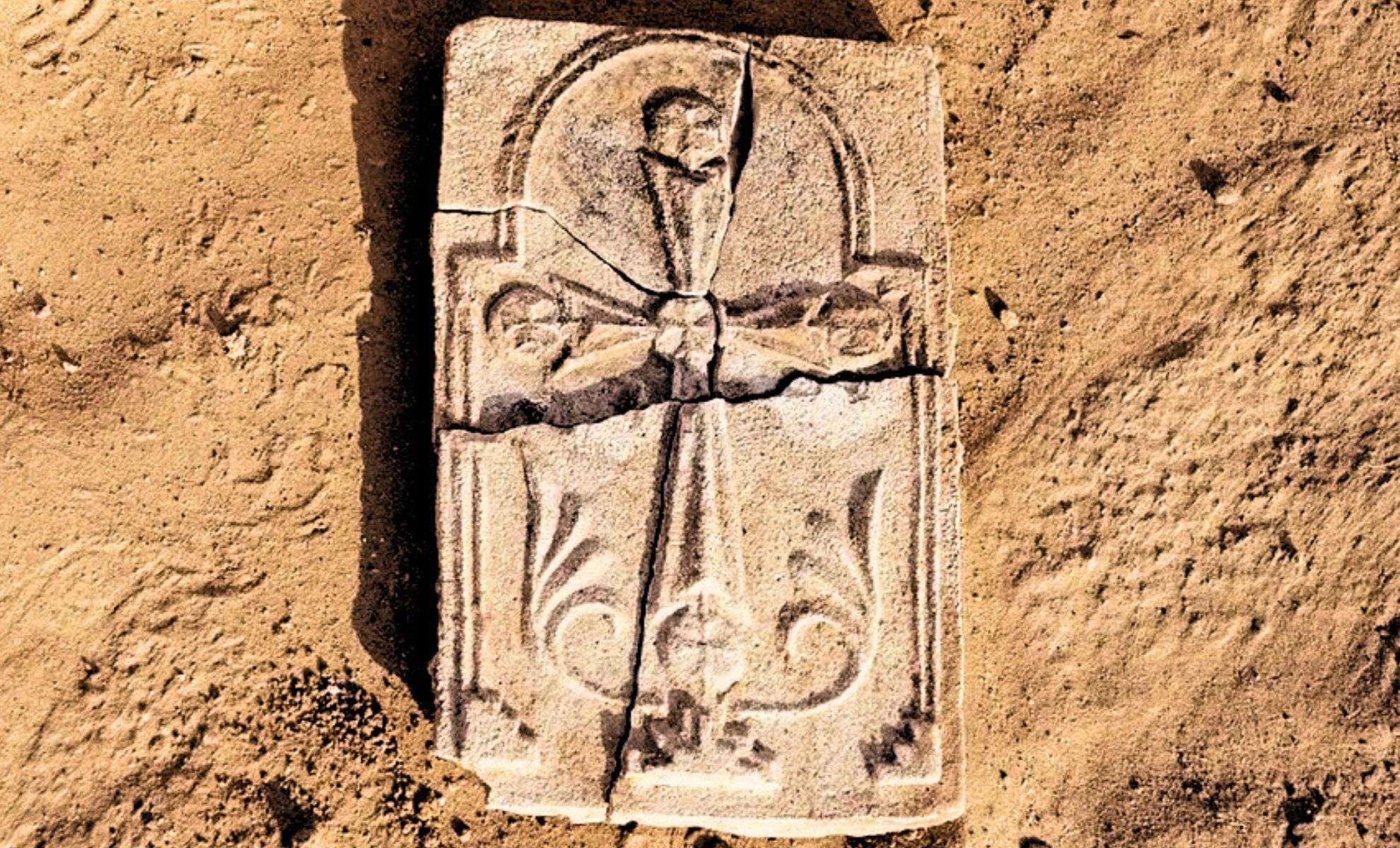
Archaeologists have, for the first time, identified clear evidence of early Christianity in the Arabian Gulf through the unearthing of a plaster cross estimated to be around 1,400 years old. This discovery took place on Sir Bani Yas Island, roughly 110 miles southwest of Abu Dhabi, confirming that a group of modest courtyard houses found decades ago belonged to a Christian monastic community.
The findings, released publicly in August 2025 by the Department of Culture and Tourism – Abu Dhabi via interviews and official releases, settle longstanding debates. Until now, experts had only indirect evidence pointing to religious activity, uncertain if these buildings served secular or spiritual purposes.
“Previously, we lacked definitive proof that Christians lived in these houses,” stated archaeologist Maria Gajewska in a video shared by the department. “The discovery of this cross directly ties these dwellings to a Christian enclave.”

Significance of the Discovery
The primary artifact is a stucco plaque shaped like a cross, measuring about 30 centimeters in length. Found embedded in the wall of one of nine small homes originally excavated in 1992, it provides the first direct connection between these houses and a nearby church and monastery dated to the 7th and 8th centuries AD.
Gajewska noted that these buildings probably housed senior monks who lived in relative seclusion, dedicating themselves to prayer and spiritual contemplation. They likely gathered on occasion at the monastery, paralleling well-known early monastic customs observed across Egypt, Syria, and Mesopotamia.
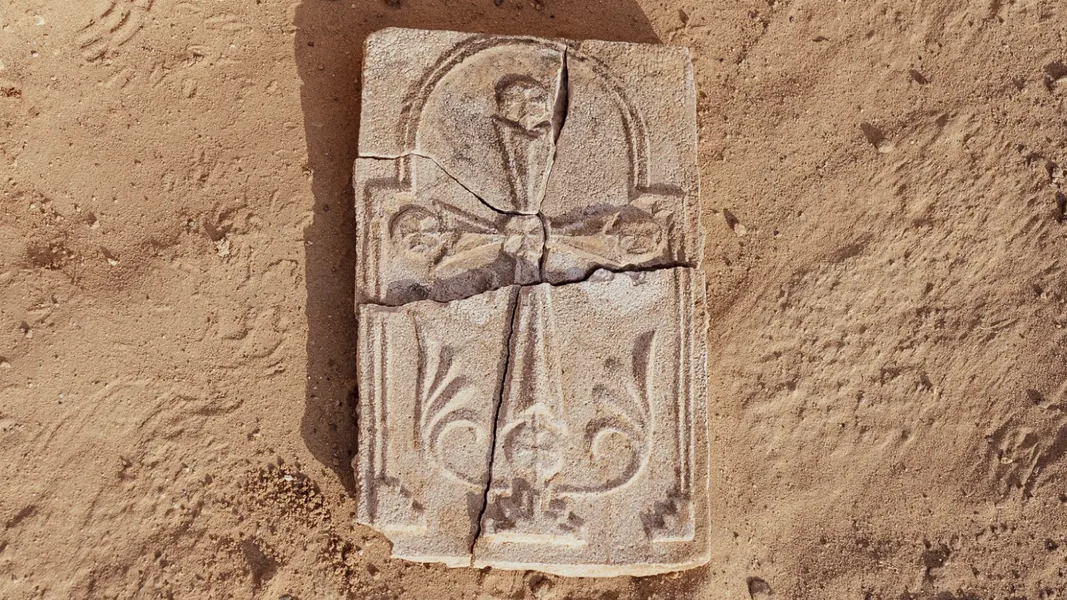
The cross's material and design align with early Christian artwork native to the region. Positioned visibly within the courtyard wall, it served both as a symbol of faith and as an element integrated into everyday life.
Tracing Christianity's Roots in the Gulf Before Islam
Christianity's presence in the Arabian Gulf before the rise of Islam is often underestimated. According to a translated update from the Abu Dhabi Media Office, Christianity flourished in the Arabian Gulf from the 4th to the 6th centuries, likely introduced via missionaries and commerce linked to the Syriac Church and other eastern Christian factions.
Sir Bani Yas represents just one among various Christian sites identified across Kuwait, Bahrain, and Saudi Arabia's coastal areas. Yet, none match its preservation or accessibility.
After Islam began spreading swiftly in the early 7th century, archaeological evidence suggests Christians and Muslims lived alongside one another on Sir Bani Yas until the settlement's abandonment in the 8th century, the reasons for which remain uncertain.
An Archaeological Site Welcoming Visitors
Unlike many research sites closed to the public, the Sir Bani Yas church and monastery are accessible to visitors, providing a unique glimpse into the region’s early Christian heritage. This location has become a hub for cultural education and tourism, combining preservation with public engagement.
Hager Hasan Almenhali, another archaeologist working on the site, remarked that this discovery “enhances our insight into the lifestyle and interregional ties of the island’s historic inhabitants.”
Future excavations aim to reveal more details about trade connections, everyday activities, and the development of religious traditions in the Arabian Gulf over time.
- Categories:
- News












0 comments
Sign in to Comment