
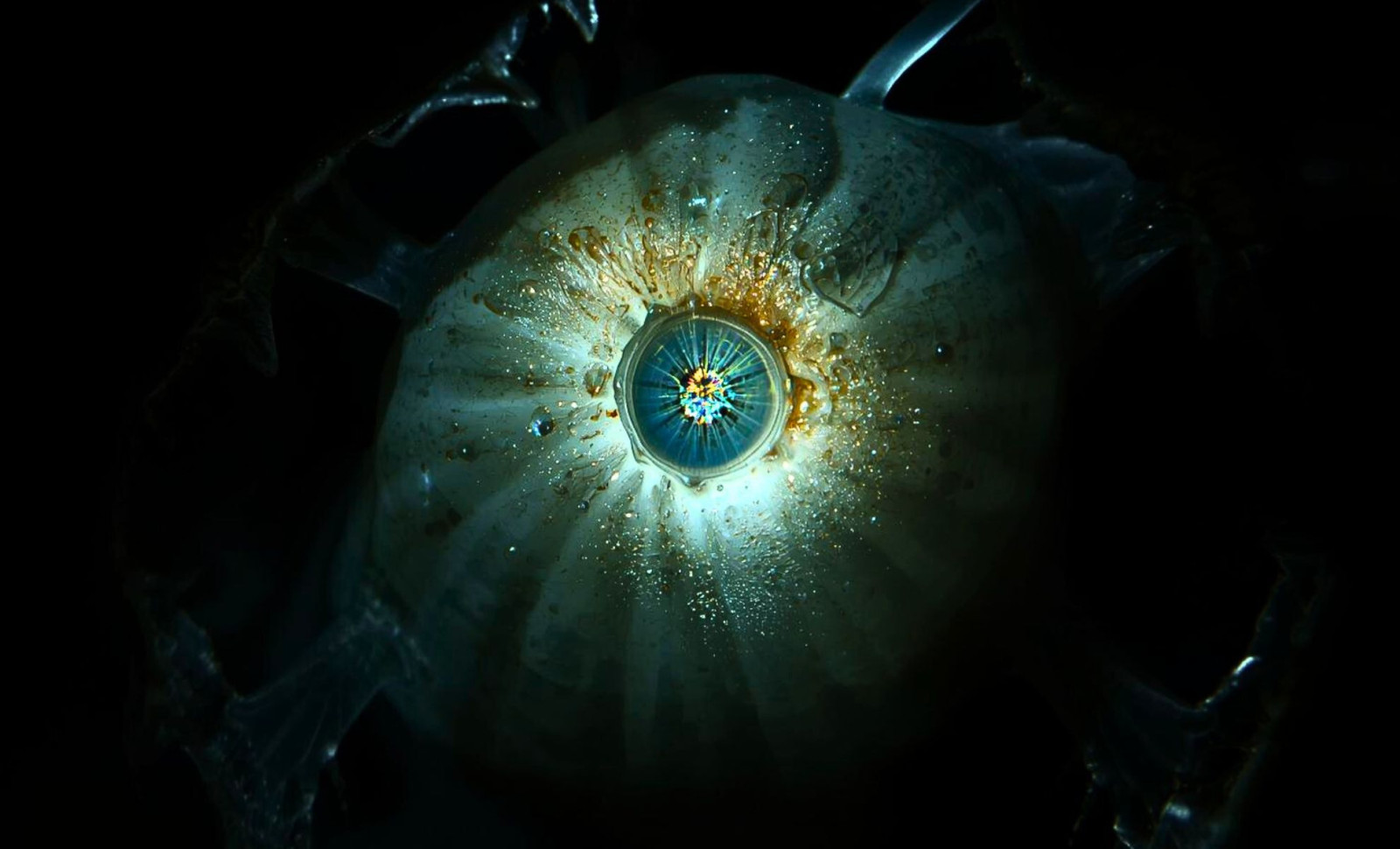
Long ago, a tiny, wormlike organism floated calmly in primordial waters, feeding by filtering plankton. This creature led a stationary existence with no need to hunt or escape threats. Gradually, it lost most of its eyes, yet retained a single photosensitive spot atop its head—a rudimentary eye capable of distinguishing light from darkness and sensing orientation. This ancient being, related to all modern vertebrates, lived nearly 600 million years ago. New findings from Lund University reveal that the eyes you possess today descend directly from this ancestral ancestor.
Revealing a Hidden Chapter in Eye Evolution
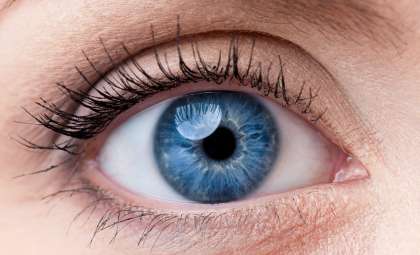
Scientists have long recognized that vertebrate eyes differ fundamentally from the visual organs of insects and cephalopods. In vertebrates, the retina arises from brain tissue, whereas in other animals, eyes develop from skin cells positioned on the sides of the head. Until now, the reason behind this disparity was unclear.
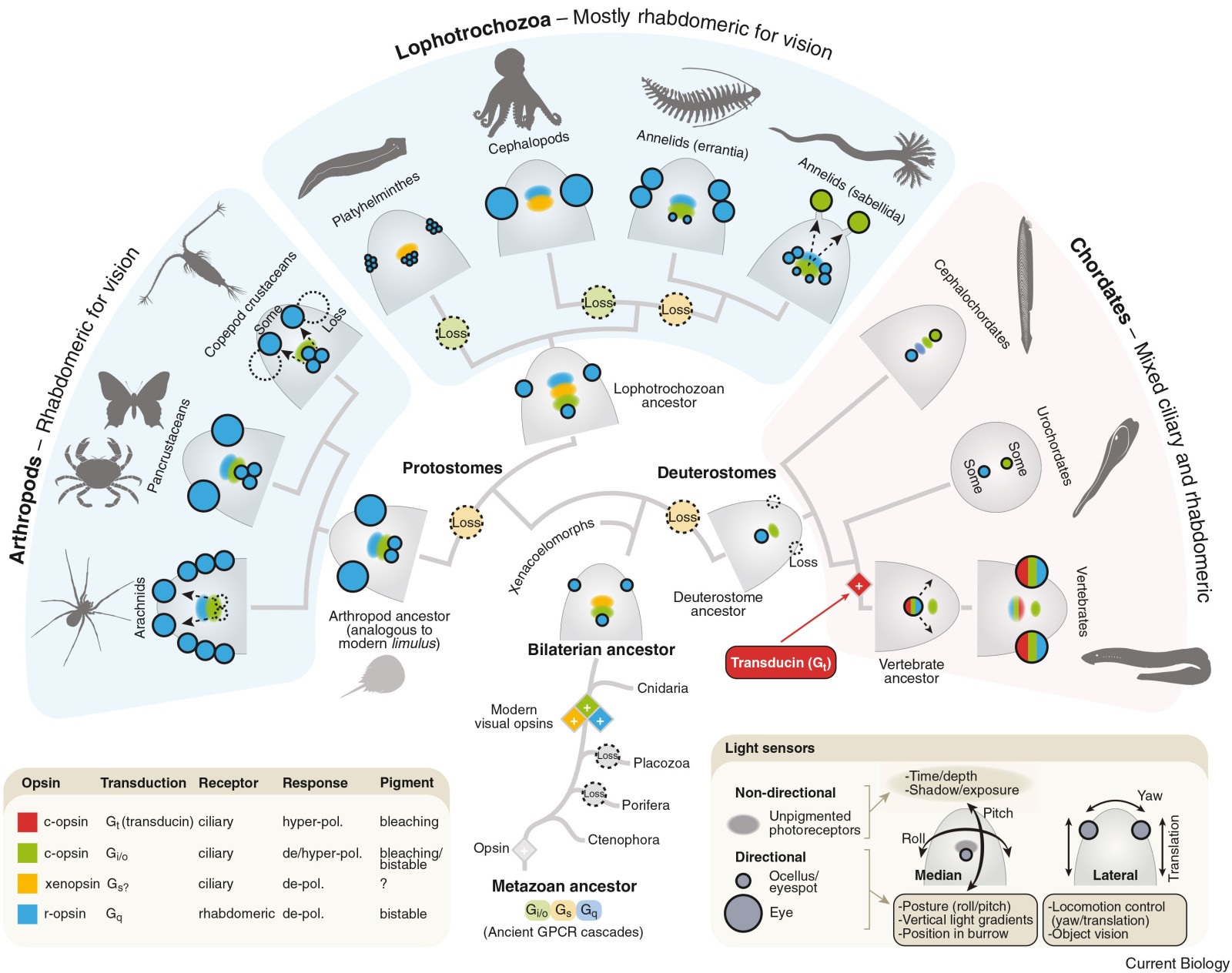
Researchers from Lund University and the University of Sussex have now proposed an answer. Their study, published inCurrent Biology, challenges former ideas about the origins of vertebrate eyes.

“We now finally understand why the eyes of vertebrates differ so radically from the eyes of all other animal groups, such as insects and squid,” said Dan E. Nilsson, professor emeritus in sensory biology at Lund University. “The film of our eyes the retina developed from the brain, whereas the eyes of insects and squid originate in the skin on the sides of the head.”
This distinctive evolutionary path emerged because our ancestors passed through a cyclopean stage.
Vision's Evolution: Loss and Renewal
The narrative starts with a sedentary wormlike creature. Originally, it possessed paired eyes on its head's sides, but these became redundant as it adapted to a stationary, filter-feeding life.
“We don’t know whether the paired eyes in our branch of the evolutionary tree were just light sensitive cells or simple image forming eyes,” Nilsson said. “We only know that the organism later lost them.”
What endured was a cluster of light-sensitive cells centralized on the top of its head. Gradually, these cells formed a simple median eye, a solitary visual organ atop the skull capable only of detecting light presence or absence, sufficient for regulating daily cycles and spatial orientation.

Subsequently, evolutionary pressures favored active swimming lifestyles in descendants of this one-eyed ancestor, reigniting the need for sophisticated vision. From components of the original median eye, paired, image-forming eyes evolved. The complex vertebrate eye—with a retina derived from brain tissue—that we see today is the product of this journey.
Legacy Within Our Heads
Though the concept of a one-eyed ancestor might sound odd, consider the pineal gland nestled deep within your brain. This small structure is a direct descendant of that ancient median eye.
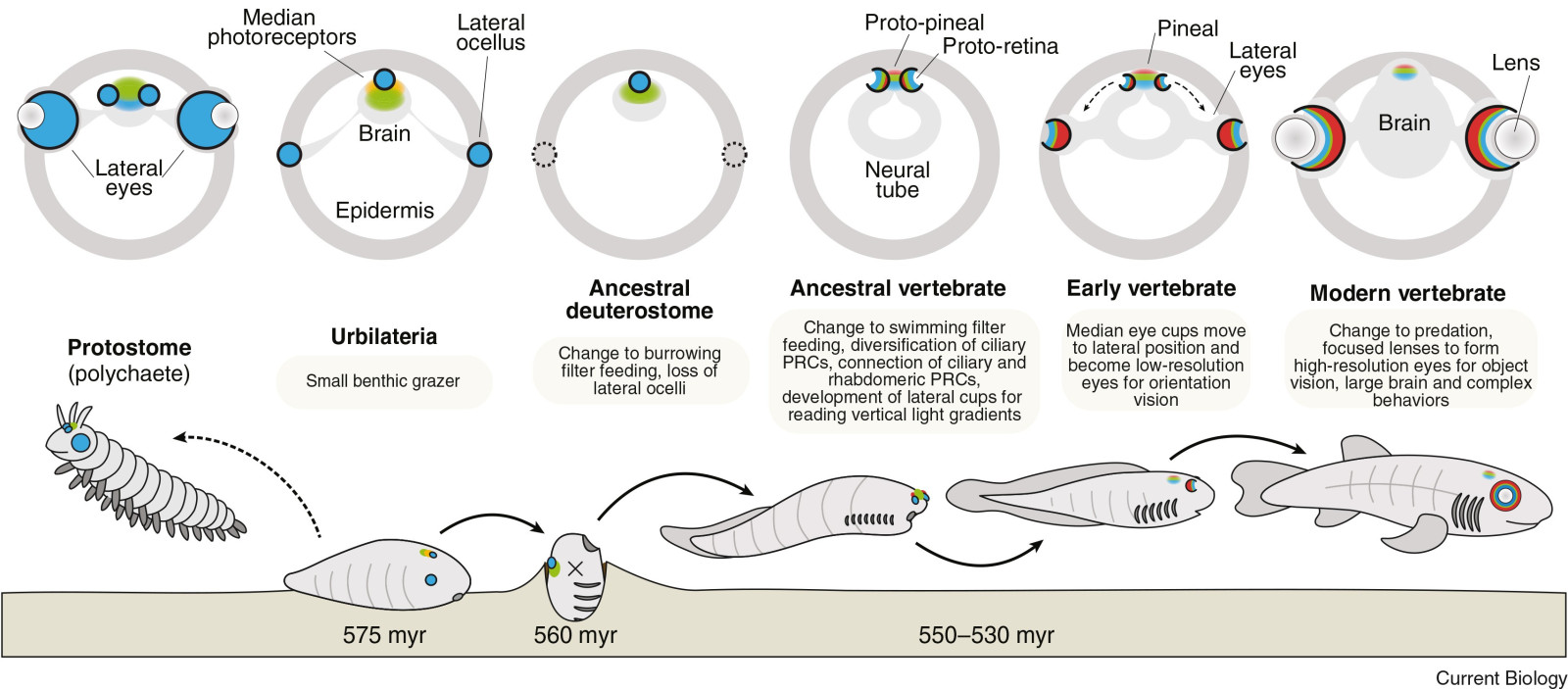
The pineal gland produces melatonin, the hormone regulating sleep based on light exposure, and remains light-sensitive in numerous vertebrates. In some amphibians and lizards, it lies close enough to the skull surface to detect light directly.
“It’s mind boggling that our pineal gland‘s ability to regulate our sleep according to light stems from the cyclopean median eye of a distant ancestor 600 million years ago,” Nilsson said.
The internal clock governing wakefulness and sleep, adjusting to daylight changes and time zones, originates from a simple light sensor once perched atop a filter-feeding worm’s head.
Unraveling the Evolutionary Trail
Because soft tissues rarely fossilize, the scientists did not rely on fossils dating back 600 million years. Instead, they carried out comprehensive analyses of light-sensitive cells across diverse animal groups, as explained in their university announcement. They compared how these cells are structured and placed throughout evolution.
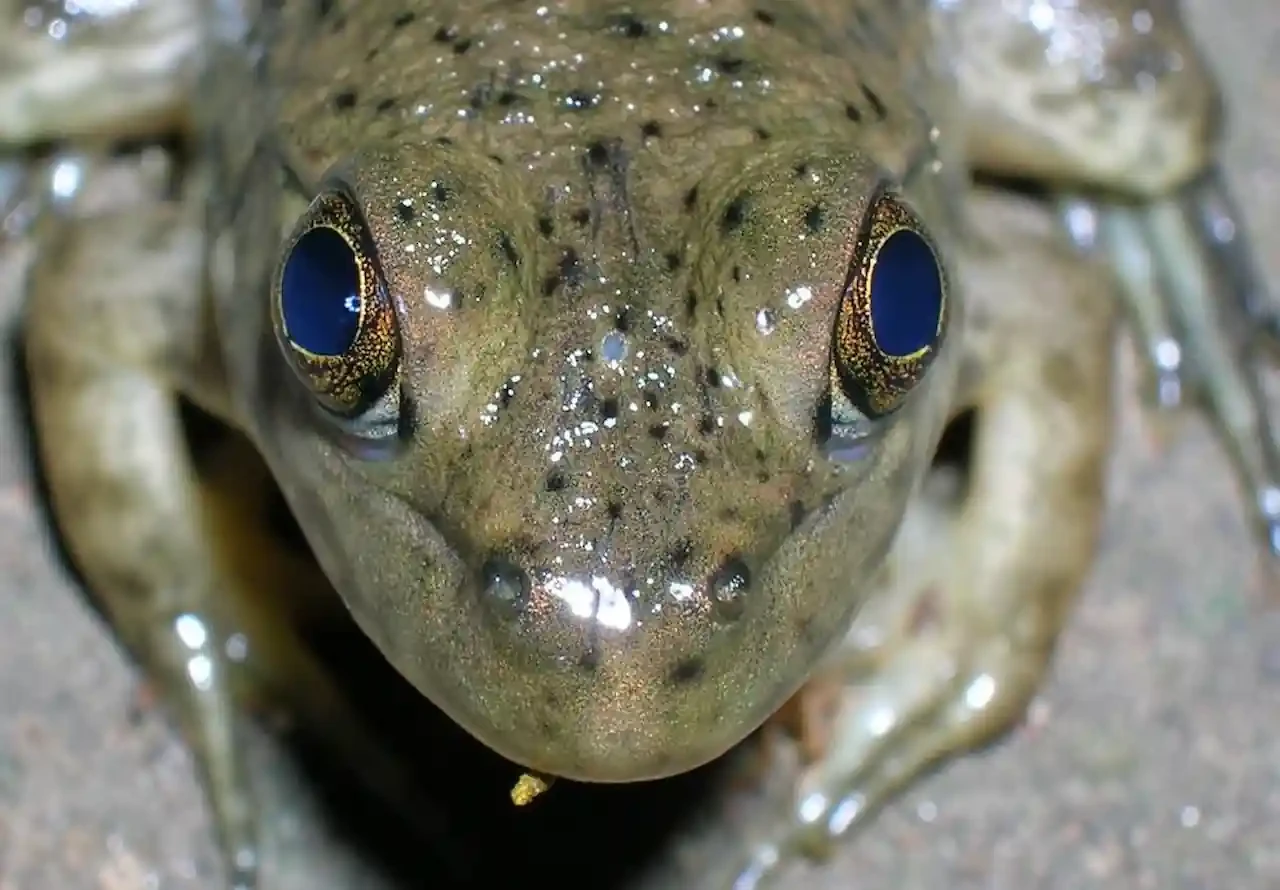
This comparative study allowed them to reconstruct the evolutionary steps that led to the vertebrate eye. The unique placement and neural connections of light-sensitive cells in vertebrates trace back clearly to the ancient median eye.
“For the first time, we now also understand the origin of the neural circuits that analyse the image in our retina,” Nilsson added.
The neural wiring enabling the brain to interpret visual information began at a single site on a worm’s head.
A Surprising Ancestor
The organism at the heart of this evolutionary story was a small, simple creature with no defenses, limbs, or protective shell. Its life was defined by filtering water and sensing light through a single spot on its skull.
Yet from this modest origin emerged the intricate, image-forming eyes of fish, amphibians, reptiles, birds, and mammals—including humans. Every time you read, recognize a face, or enjoy a sunset, you rely on visual systems that passed through a one-eyed ancestor.
Our eyes evolved not through a direct, linear path but through an intricate cycle of loss, renewal, and repurposing of an ancient light detector. That original sensor remains within your brain today, quietly synchronizing your internal rhythms with the sun.
- Categories:
- Science







0 comments
Sign in to Comment