
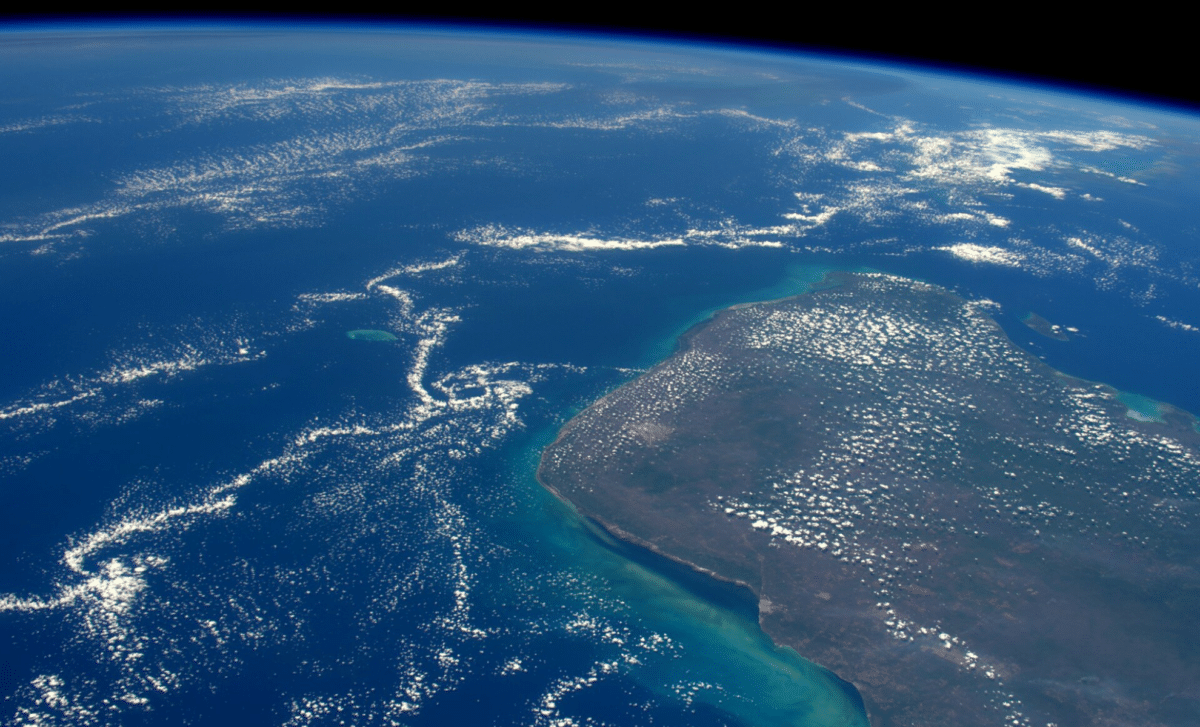
For years, the asteroid that caused the dinosaurs' extinction has symbolized catastrophic planetary upheaval. Yet amid this devastation lay the beginnings of a rapid biological resurgence. Rather than halting evolution, the aftermath saw it accelerate dramatically. Recent research published in Geology reveals that life rebounded at an unexpectedly swift pace following the impact.
Reevaluating Post-Extinction Evolutionary Recovery
The Chicxulub asteroid collision, occurring roughly 66 million years ago, is known for triggering one of Earth's most severe extinction events, eliminating nearly 75% of species, including all non-avian dinosaurs. However, a new study led by researchers from The University of Texas at Austin indicates that this global catastrophe also initiated one of the quickest bursts of evolutionary change ever documented. Their findings, featured in Geology, substantially updates the timeline for biological recovery by identifying new plankton species emerging just thousands of years after the impact.
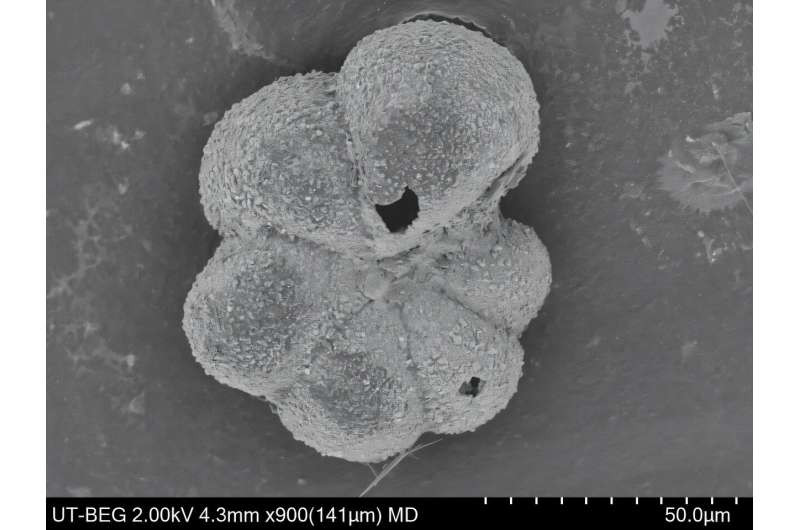
This paradigm-shifting discovery challenges previous ideas about how ecosystems recuperate from global crises. Employing cutting-edge geochemical dating methods, scientists traced the early evolution of microscopic marine life, particularly foraminifera, immediately following the event. Contrary to earlier beliefs that new species took tens of thousands of years to arise, this research reveals that complex organisms reemerged almost instantaneously in geological terms.

Helium-3 Technique Unveils Precise Recovery Chronology
The key breakthrough emerged from using a high-accuracy dating approach centered on Helium-3 isotopes, which accumulate in seafloor sediments at steady rates. Unlike traditional methods relying on sediment buildup—often skewed by extinction-driven erosion and biomass loss—this isotope-based technique corrected for anomalies caused by the impact, delivering a refined reconstruction of recovery timelines.
Results showed that the species Parvularugoglobigerina eugubina, a key indicator of marine resurgence after extinction, arose between 3,500 and 11,000 years after the asteroid struck. In some locations, new foraminifera species appeared within less than 2,000 years, representing the earliest recorded case of evolution progressing so swiftly post-extinction.
“It’s ridiculously fast,” said Chris Lowery, lead author and research associate professor at the University of Texas Institute for Geophysics. “This research helps us understand just how quickly new species can evolve after extreme events and also how quickly the environment began to recover after the Chicxulub impact.”
By studying six sites spanning Europe, North Africa, and the Gulf of Mexico, the team uncovered evidence of global ecosystem resilience. Overall, between 10 and 20 new plankton species originated within a mere 6,000 years, sharply contrasting with the old view that profound biodiversity recovery requires millions of years.
Unveiling Life’s Remarkable Resilience
Besides the astonishing speed of species development, the study emphasizes the incredible adaptability of life amid worldwide disaster. Though terrestrial and marine habitats were devastated, the ocean’s surface transformed into a hotspot for evolutionary innovation. These early-adapting plankton likely served as a crucial foundation for reestablishing the marine food chain, initiating a recovery that would extend over the next 10 million years.
“The speed of the recovery demonstrates just how resilient life is,” said Timothy Bralower, co-author and professor of geosciences at Penn State University. “To have complex life reestablished within a geologic heartbeat is truly astounding. It’s also possibly reassuring for the resiliency of modern species given the threat of anthropogenic habitat destruction.”
These findings reshape our comprehension not just of ancient mass extinctions, but also of today’s environmental challenges. The ability of life to bounce back and diversify following such extreme events over a few millennia provides encouraging insight into the potential for ecosystems to recover from human-induced harm, assuming suitable conservation efforts.
How Devastation Drives Biodiversity Growth
The Chicxulub event illustrates the extinction paradox: massive species loss ultimately creates room for evolutionary expansion. The post-impact world, void of dominant species and intense competition, offered surviving organisms ecological opportunities to diversify rapidly. The emergence of novel plankton species confirms that evolution can proceed at a breathtaking pace when fueled by necessity and availability.
This evolutionary reset affected not only microscopic marine life but also paved the way for the rise of mammals and eventually humans. What began as a devastated ocean surface within millennia became a nurturing ground for new life, setting in motion the biodiversity that shapes our planet today.
- Categories:
- Science




0 comments
Sign in to Comment