
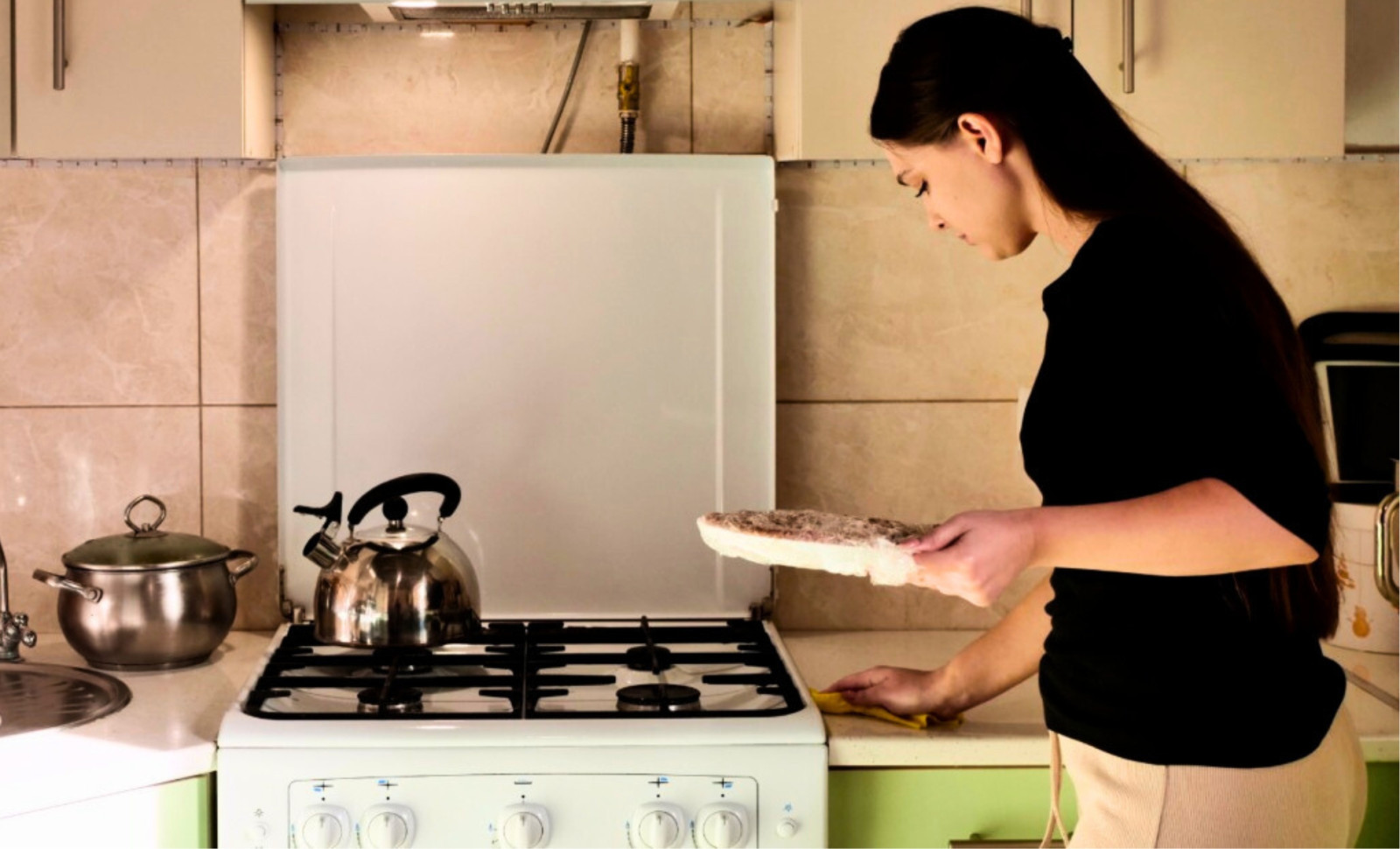
As dinner preparation nears completion, two kitchens tell very different stories. One is cluttered with flour, vegetable scraps, and various pots, while the other showcases a cook already wiping down the last bowl as the timer ticks. This approach, known as clean as you cook, extends beyond just a love for orderliness.
Psychologists reveal that how someone manages their workspace during tasks offers insight into their mental habits. These small, habitual actions in the kitchen aren’t random but indicate a distinctive pattern of executive functioning and control over their environment, reflecting broader life behaviors.
Decades of research have focused on how individuals interact with their immediate surroundings to boost efficiency and reduce stress. Observing when and how chores are carried out in such moments unveils patterns linked to particular psychological traits common in those who clean as they cook.

Anticipating and Managing Tasks
Dr. Nicole Mead at the University of Melbourne has examined the impact of organized environments on decision-making and behavior. Kitchen tidiness during cooking is typically associated with higher levels of conscientiousness, one of the key personality dimensions. This trait embodies a natural inclination toward being reliable, orderly, and disciplined rather than chaotic or impulsive.
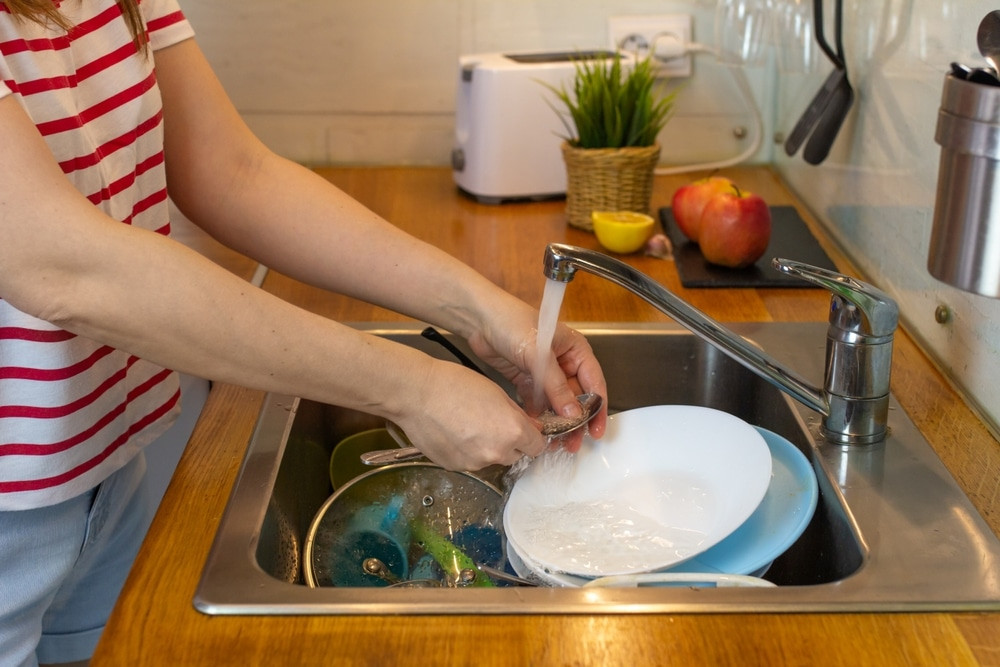
Working in a neat space during cooking requires anticipating subsequent steps. This habit is a manifestation of proactive coping, where an individual identifies potential stress points and takes early action to prevent them. Research published in the Personality and Social Psychology Bulletin explains how immediate cleaning, like washing a knife right after use, reduces the burden of an end-of-task cleanup.
Often, this behavior aligns with a strong internal locus of control: the belief that one’s actions directly shape outcomes. In cooking, this translates to not allowing messes to build up, treating the kitchen as an extension of their organizational skills and actively maintaining it.
Managing Mental Load and Choices
A study in Psychological Science by the University of Minnesota highlights that orderly environments encourage adherence to social norms and promote healthier decisions. Those who embrace the clean as you cook approach effectively reduce their cognitive load. A cluttered area bombards the brain with unnecessary stimuli, impairing focus during complex tasks.
Lead author Dr. Kathleen Vohs observed that tidy settings foster conventional thinking and sustained effort. Cleaning during cooking acts as a “mental reset,” helping the individual concentrate fully on the recipe rather than the distractions of mess. This links to enhanced mindfulness, where one stays fully engaged and aware, a concept elaborated in Mindfulness journal.
Additionally, those who tidy up while cooking often exhibit a strong need for closure, a preference for resolving uncertainties quickly and avoiding unfinished tasks. To them, leaving dirty dishes is mentally taxing. Cleaning as they go delivers a steady stream of accomplishments throughout the cooking process.
1. Elevated Conscientiousness
The foremost trait of the clean as you cook individual is robust self-discipline. They regard the cooking and cleaning as intertwined activities, not separate ones, maintaining order as a crucial element of success.
2. Engagement in Proactive Coping
Cleaning on the fly embodies forward-thinking behavior. Tackling messes early keeps the eventual cleanup manageable, a trait mirrored by professionals who handle small tasks promptly rather than postponing them.
3. Strong Internal Locus of Control
People with this viewpoint see clutter as an immediate challenge under their control, even during hectic cooking sessions. This belief in personal influence indicates substantial psychological resilience.
4. Minimal Procrastination
The habit reflects low levels of procrastination, as these individuals don't wait for the ideal emotional state to clean. They address less enjoyable activities immediately, conserving energy for more demanding decisions.
5. Future-Focused Outlook
This behavior signifies a marked future orientation, where present actions are evaluated by their impact on one’s future well-being. They prioritize their future comfort over momentary convenience, ensuring a more enjoyable post-meal experience.
6. Heightened Mindfulness
Maintaining a clean cooking space demands attentiveness. Such individuals notice minor spills or misplaced items right away, preventing overload and frustration during multitasking.
7. Intense Need for Closure
This urge pushes them to complete tasks promptly. For these cooks, an unwashed bowl causes mental clutter that is swiftly resolved through immediate cleaning.
8. Excellent Self-Regulation
Self-regulation—managing emotions and energy—is vital here. By avoiding disorder, they keep stress low, a factor linked to success in health and professional settings, as outlined in the Annual Review of Psychology.
Dr. Barbara Fredrickson has shown that such small positive habits build emotional steadiness. Cleaning while preparing food offers consistent “micro-victories” that boost mood and confidence, expanding cognitive flexibility as reported in the Annual Review of Psychology.
Ultimately, managing kitchen chores mirrors how we navigate life’s challenges. Dr. E.J. Masicampo from Wake Forest University discovered that simply planning task completion reduces mental distractions. For those who clean as they cook, this process is already underway, creating a smooth shift from work to relaxation.
- Categories:
- News













0 comments
Sign in to Comment