
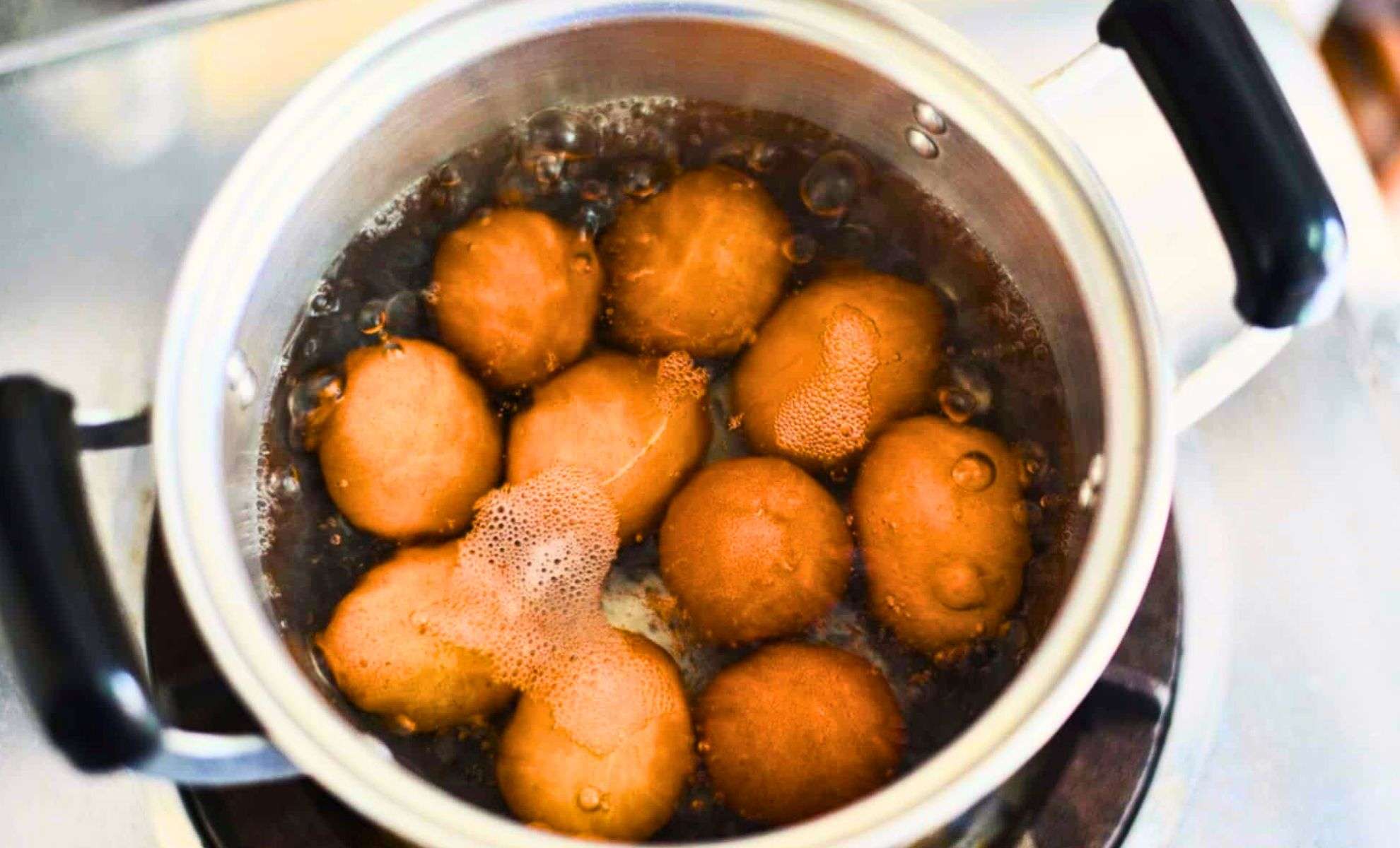
When preparing boiled eggs, many cooks consistently follow tried-and-true methods: begin with cold water, meticulously time the boiling, rapidly cool the eggs afterward—and invariably, sprinkle in some salt. Traditionally, this last step was thought to simplify peeling, but recent scientific insights reveal a different advantage.
Emerging studies on protein reactions under thermal stress are reshaping kitchen myths. Adding salt to boiling water does not help detach the shell from the egg; rather, it prevents egg whites from oozing out if the shell cracks. Though subtle, this chemical phenomenon hinges on how salt influences protein behavior when heated, enabling quicker coagulation and resulting in cleaner, more intact eggs even with shell damage.
This effect occurs as sodium ions adjust the ionic balance in the boiling water. As the egg heats, egg white proteins denature—unfolding and refolding into new shapes. Without salt, this happens more slowly and less reliably. In salted water, proteins establish a rapid seal around any shell cracks, effectively stopping leaks that would otherwise cause an undesirable mess.

Far from theoretical, food scientists have long observed this phenomenon, now backed by experimental data and parallels drawn from protein coagulation research in dairy science, which explains these protein dynamics more broadly.
Salt’s Role in Peeling Is a Common Misconception
The widespread idea that salt enhances peeling lacks scientific support. Investigators at the University of Guelph’s Poultry Science Department rigorously tested this belief and found no influence of salt on how easily the shell separates from the egg white.
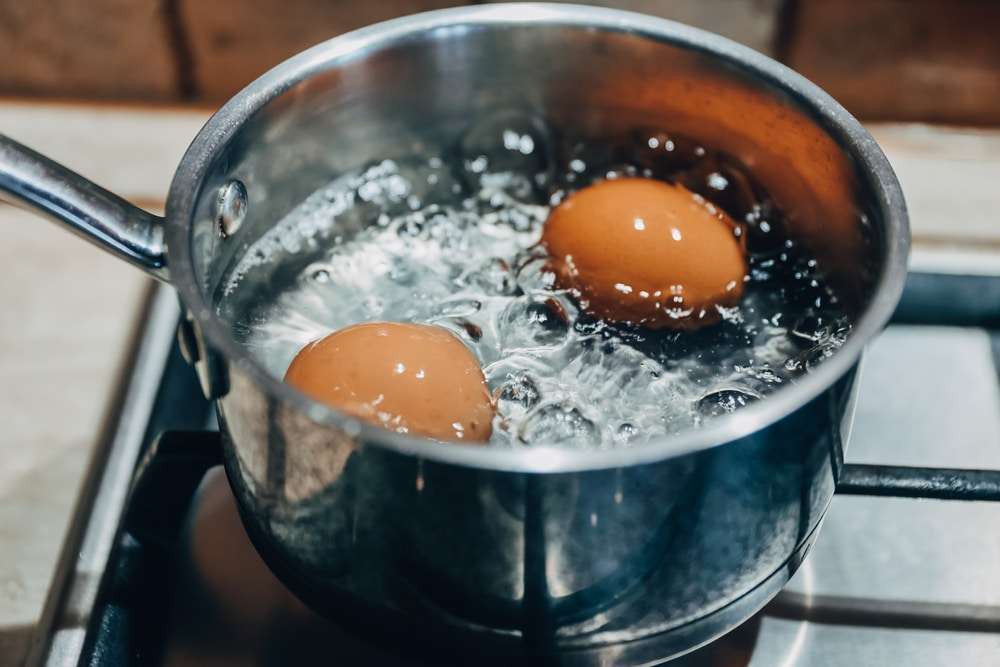
Instead, egg peelability depends on factors like the egg’s age, whether it’s plunged into boiling or cold water, and if it’s cooled right after cooking in an ice bath. Eggs aged between one and two weeks peel more smoothly than fresh eggs due to carbon dioxide slowly escaping through the shell over time, which increases internal pH and loosens the link between the white and the membrane beneath the shell.
Temperature transitions matter too. Dropping eggs directly into boiling water tends to minimize the bond between shell and white. Then, chilling eggs in ice water post-boil causes proteins to contract and release from the shell, a method that works regardless of salt addition.
How Salt Influences Protein Behavior in Boiling Water
The science behind salt’s impact is rooted in protein chemistry in ionic solutions exposed to heat, a well-established concept in food research. A 2019 study in the Journal of Dairy Science explored how sodium and other ions affect protein coagulation in milk, with principles that extend to proteins such as those in egg whites.
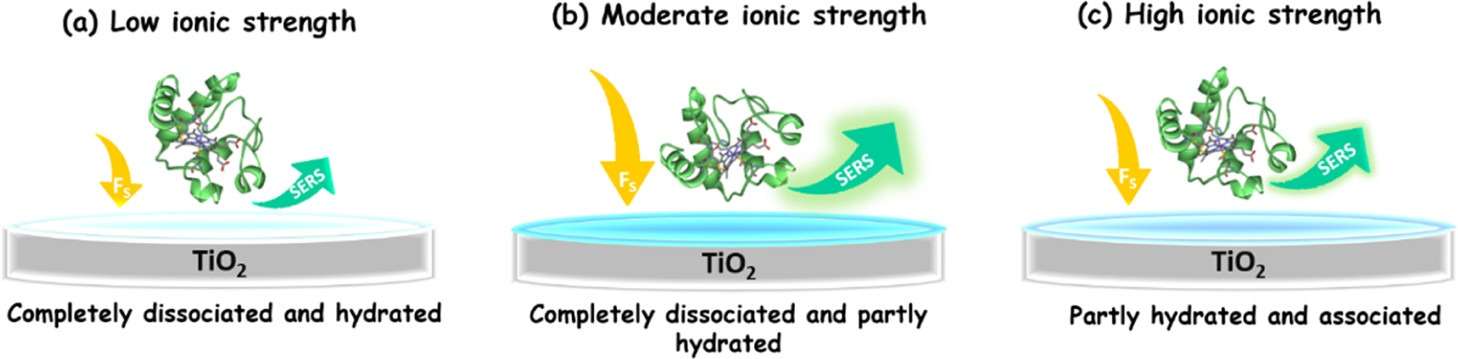
Findings show that in ion-rich water—containing sodium or calcium ions—proteins denature and reattach more swiftly. This means a cracked egg in salted boiling water forms a stabilizing gel layer faster than in plain water, helping preserve the egg’s contents immediately upon exposure instead of relying on shell strength.
This principle echoes longstanding culinary uses of salt in cheese-making and meat curing, where salt shapes protein structures. Boiling eggs at home merely applies this sophisticated protein chemistry in a practical, though less obvious, manner.
Salt Acts as a Protective Agent, Not a Peeling Shortcut
Ultimately, salt added during boiling isn’t a trick for easier peeling, but a protective step to mitigate damage when eggshells crack. While it doesn’t stop breaks from happening, salt helps minimize the resulting mess, maintaining egg quality despite imperfections.
Food science expert Harold McGee describes in Keys to Good Cooking how salted water lets egg whites solidify immediately upon contact, creating a natural plug. This reduces the chances of wasted eggs and makes cleanup easier, ensuring better results.
For those aiming to improve egg boiling, the scientific consensus now suggests a clear approach: use older eggs, immerse them in boiling water from the start, rapidly cool them in an ice bath, and add salt not as a superstition but for its chemical benefits. Supported by peer-reviewed studies and university research, this updated method highlights the chemistry behind one of cooking’s simplest tasks.
- Categories:
- News












0 comments
Sign in to Comment