
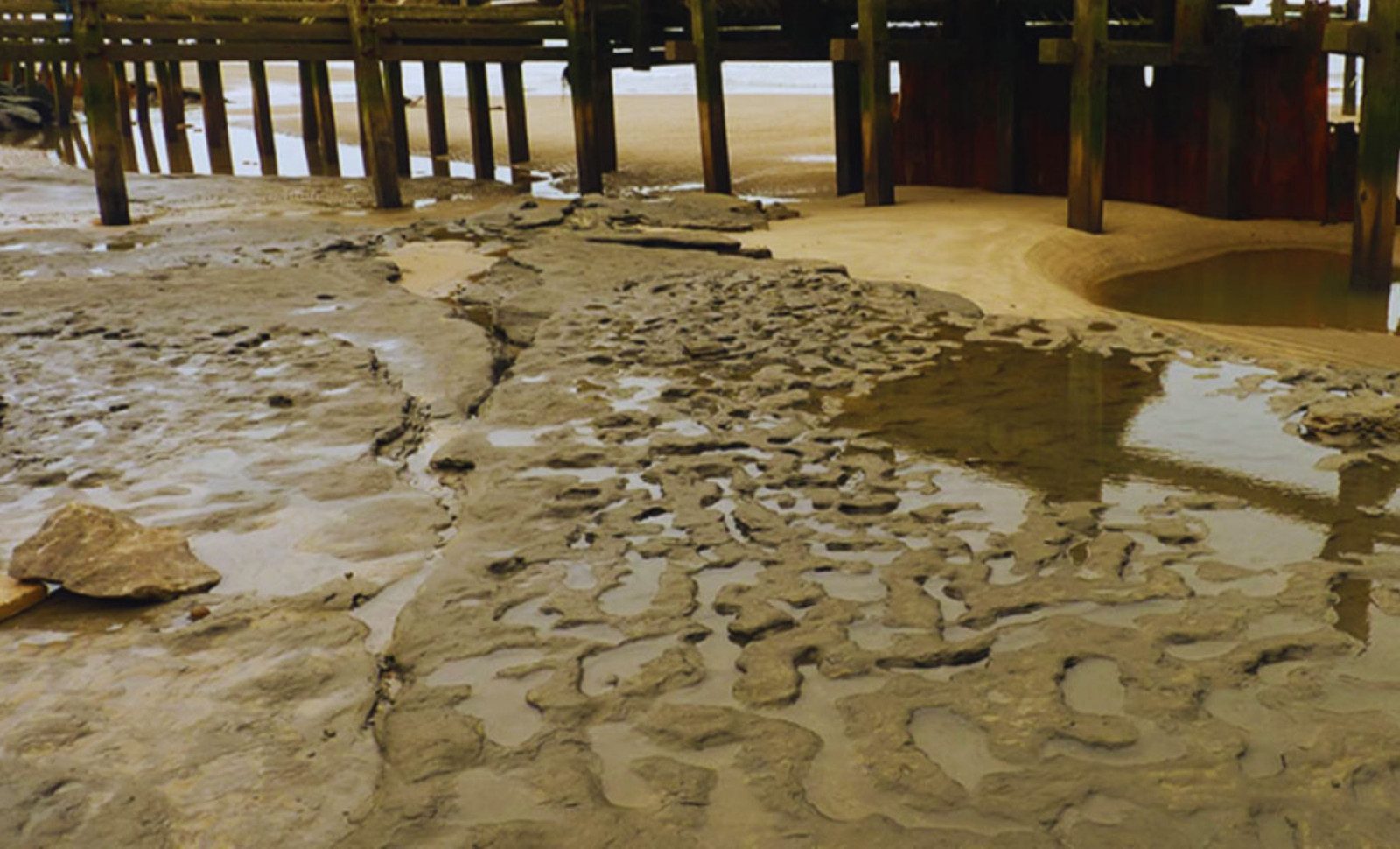
Researchers have uncovered footprints estimated to be 800,000 years old along a Norfolk beach in England, representing one of the earliest direct traces of human activity in northern Europe. Found at Happisburgh, these footprints, made by both adults and children, capture a fleeting moment from the distant past, now preserved solely through digital imaging techniques.
This extraordinary discovery, revealed in early 2014, establishes Britain as a significant site in ancient human history. Previously, evidence of such early hominin presence primarily existed in warmer climates; the Happisburgh prints extend the known northern boundary of prehistoric human movement in Europe considerably further than previously thought.
An Unexpected Discovery With Huge Implications
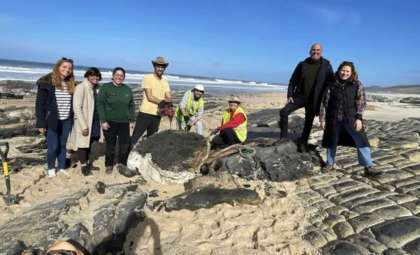
In May 2013, natural erosion at Happisburgh, a village situated on England’s eastern shoreline, exposed shallow indentations resembling footprints. As experts cleared seawater and sediment, they confirmed these impression marks were indeed human footprints. Led by Dr. Nick Ashton from the British Museum, a team quickly employed photogrammetry to digitally document the fragile site before tidal action removed it.

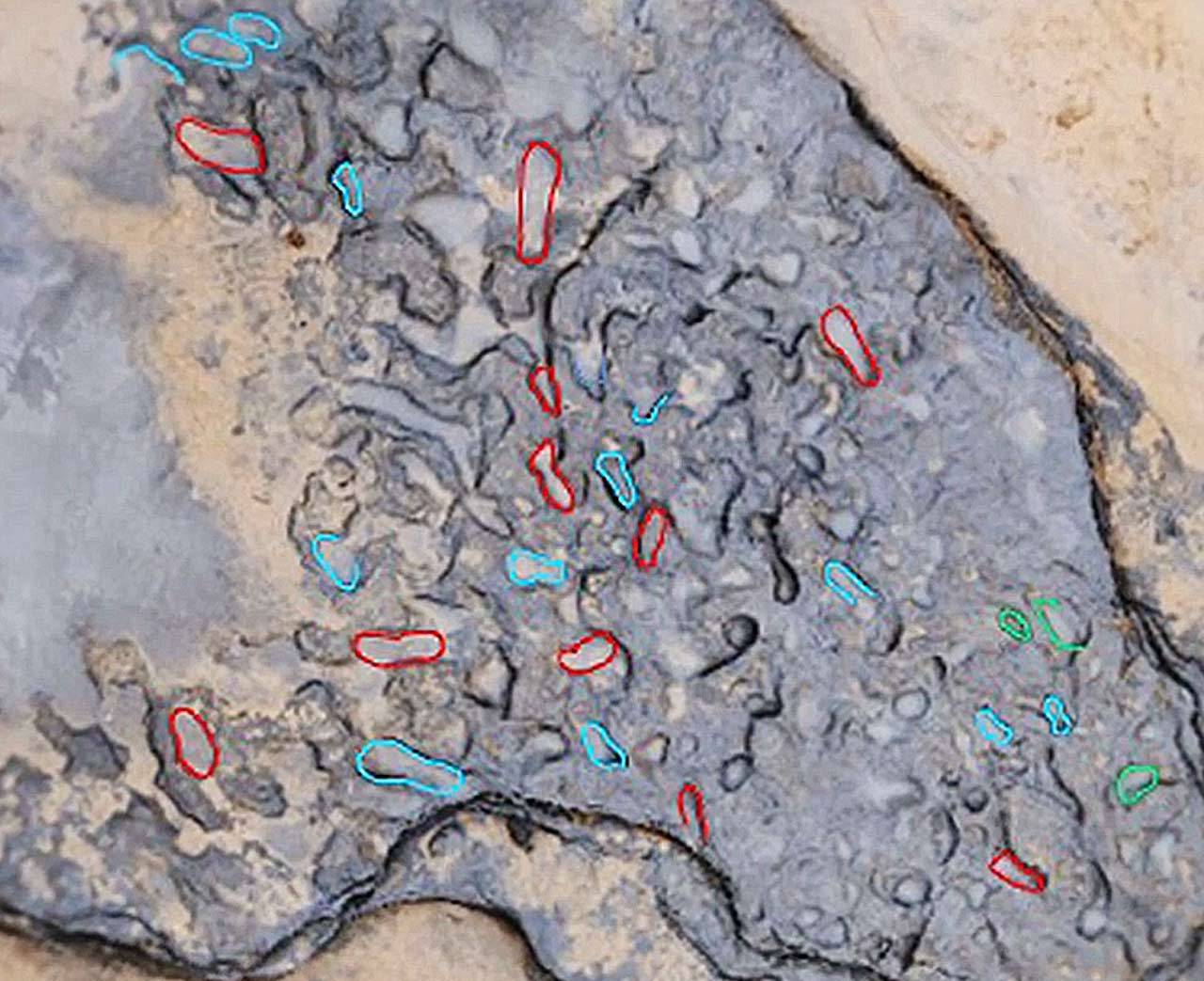
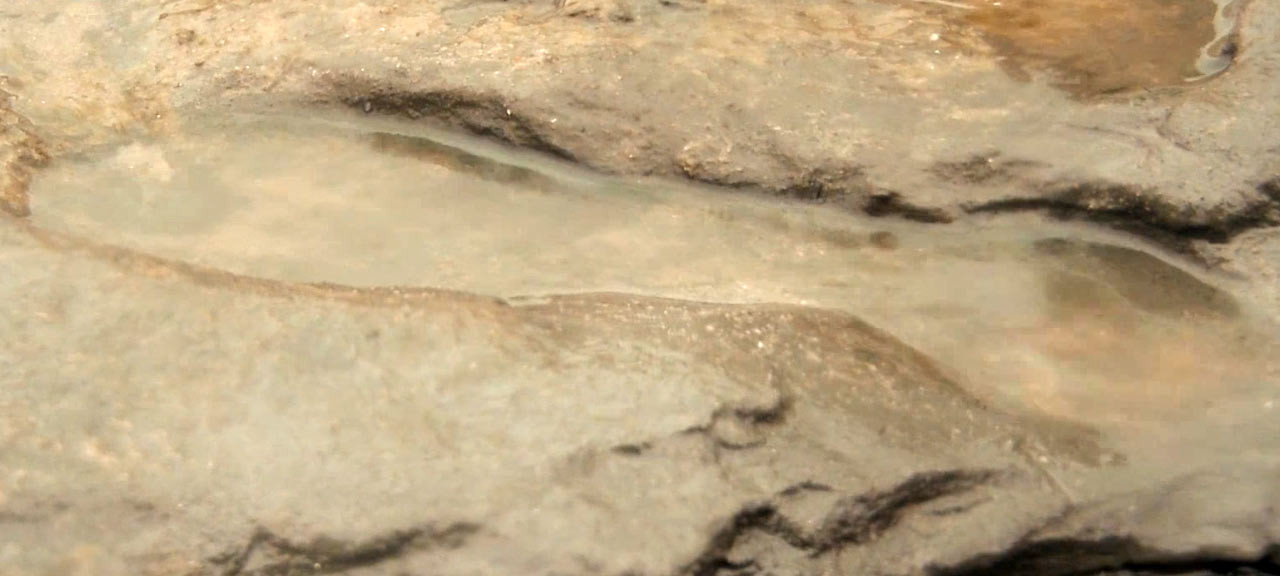
The study, published in PLoS ONE, revealed that these long depressions were made by at least five individuals, both adults and children. Some prints were exceptionally well-defined, showing detailed heel shapes, arches, and even individual toes. One footprint’s size corresponded to a modern US shoe size between 9 and 10, indicating a tall adult male, while smaller prints likely belonged to much shorter children.
By correlating foot size with stature using contemporary ratios, researchers estimated the heights of the footprint creators ranged from approximately 0.9 meters up to over 1.7 meters. The footprints probably represent a group moving together along an estuary’s edge, potentially foraging or relocating as a family unit.
Reconstructing Lost Prehistoric Landscapes
The geological layers preserving the footprints at Happisburgh belong to ancient river valley deposits predating the Ice Ages. At that time, Britain was connected to continental Europe rather than separated by water. The surrounding environment featured an extensive estuary bordered by mudflats, salt marshes, and coniferous woodlands.
Fossil evidence from this sedimentary context includes remains of mammoths, hippos, deer, bison, and even rhinoceroses. These large mammals likely grazed in the area, providing early humans with hunting and scavenging opportunities. The estuary also offered edible resources such as tubers, shellfish, seaweed, and other plants, making it an essential resource hub for survival.
Scientific analysis of preserved pollen, beetles, and plant material allowed researchers to recreate a detailed picture of the environment. The autumn conditions placed the footprints several miles inland compared to today’s coastline. The fact these tracks survived natural erosion for hundreds of thousands of years and only briefly resurfaced before being submerged makes their preservation extraordinary.
Identifying the Footprint Creators
Although no skeletal remains were recovered at Happisburgh, scientists think the footprints likely belong to Homo antecessor, an archaic human species previously known from fossil discoveries at Atapuerca, Spain.
“These people were of a similar height to ourselves and were fully bipedal. They seem to have become extinct in Europe by 600,000 years ago and were perhaps replaced by the species Homo heidelbergensis. Neanderthals followed from about 400,000 years ago, and eventually modern humans some 40,000 years ago,” explained Professor Chris Stringer, at the Natural History Museum in the UK.
The footprints at Happisburgh join a select group of ancient hominin trackways globally. They are distinctive not only because of their incredible age but also due to being located in a relatively cold northern climate, distant from the more temperate areas usually associated with early human evolution.
“These footprints provide a very tangible link to our forebears and deep past,” said Dr. Ashton.
Within just a fortnight after discovery, tidal waves had wiped away all visible traces of the tracks. Thanks to swift digital documentation, these ephemeral prints have been immortalized digitally.
- Categories:
- News











0 comments
Sign in to Comment