
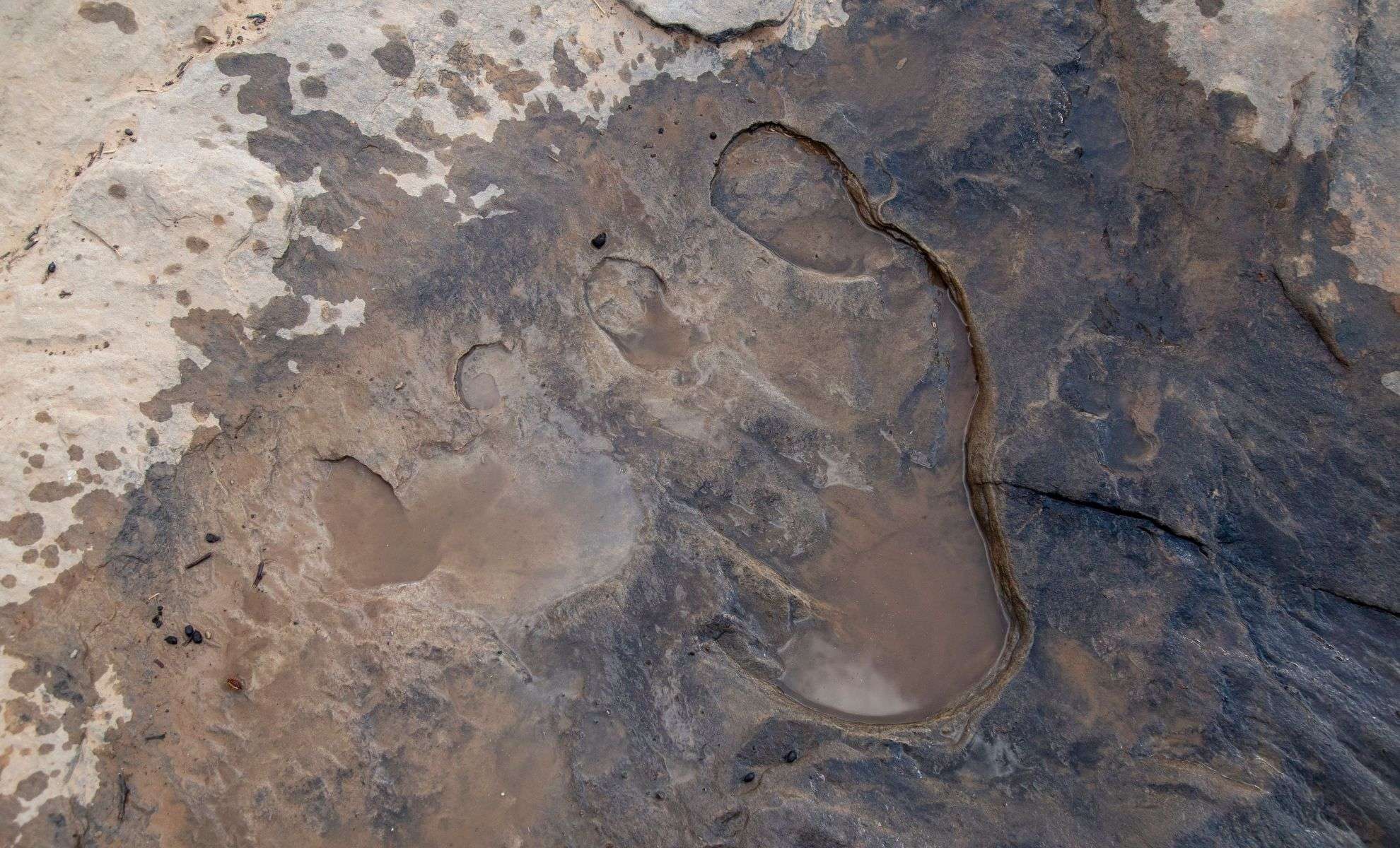
Scientists have uncovered footprints left by Neanderthals dating back around 78,000 years on Monte Clérigo Beach in southern Portugal. These prints belong to a male adult, a child between 7 and 9 years old, and a toddler younger than 2 years.
A Unique Window Into Neanderthal Existence
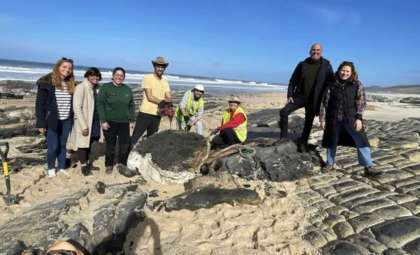
This remarkable finding emerged following a daring expedition. Neto de Carvalho recounts that “we nearly got caught by the sudden tide rise and had to swim and scale a 15-meter [49 feet] steep cliff with all our equipment.” Their determination revealed five separate trackways featuring a total of 26 footprints, offering new perspectives on Neanderthal life along Europe's Atlantic shore.
The footprints found at Monte Clérigo provide priceless data for studying Neanderthals, whose traces in such settings are extremely scarce. Carbon dating assigns these tracks to a window between 83,000 and 73,000 years ago.

The dimensions and contours of the footprints align closely with those made by Neanderthals, as they closely resemble modern human tracks. Experts confirm these are not from Homo sapiens, since the migration of modern humans out of Africa began roughly 50,000 years ago.
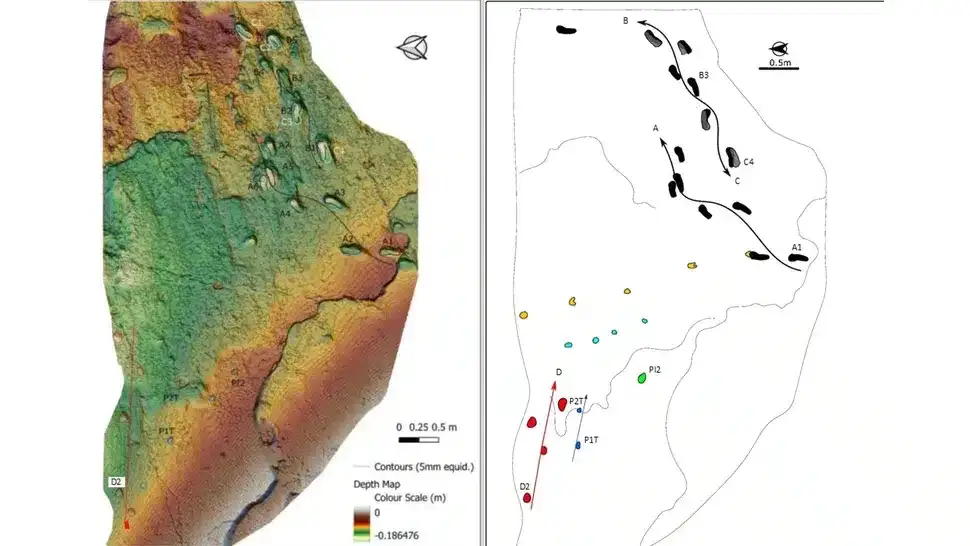
Neanderthal Activity: Foraging Shores or Hunting Prey?
Located near the edge of a coastal dune, the Monte Clérigo tracks suggest the Neanderthals were gathering food resources like shellfish or possibly executing ambush hunting strategies. The latter is supported by overlapping large animal footprints found alongside some Neanderthal prints.
Patterns in the tracks indicate the group moved both toward and away from the sea, pointing to active exploration in search of nourishment. Navigating the demanding landscape of steep dunes and rocky ground suggests Neanderthals possessed adept knowledge of this coastal zone’s complex terrain, likely adapting their movements to seasonal cycles.
Insights Into Neanderthal Social Structure
The presence of infant footprints alongside those of an adult male and a young individual provides rare evidence of family groups among Neanderthals. The inclusion of children during routine activities hints at a tightly bonded family unit.
Though no concrete signs of a Neanderthal habitation site have yet been found at Monte Clérigo, researchers suggest this group likely exploited the area's resources repeatedly, possibly seasonally. The demanding dune environment may have presented ideal conditions for ambush hunting or other deliberate tactics to obtain food. Even without physical camp remains, the footprint evidence indicates Neanderthals purposefully visited these coastal settings to take advantage of available sustenance.
- Categories:
- News









0 comments
Sign in to Comment