
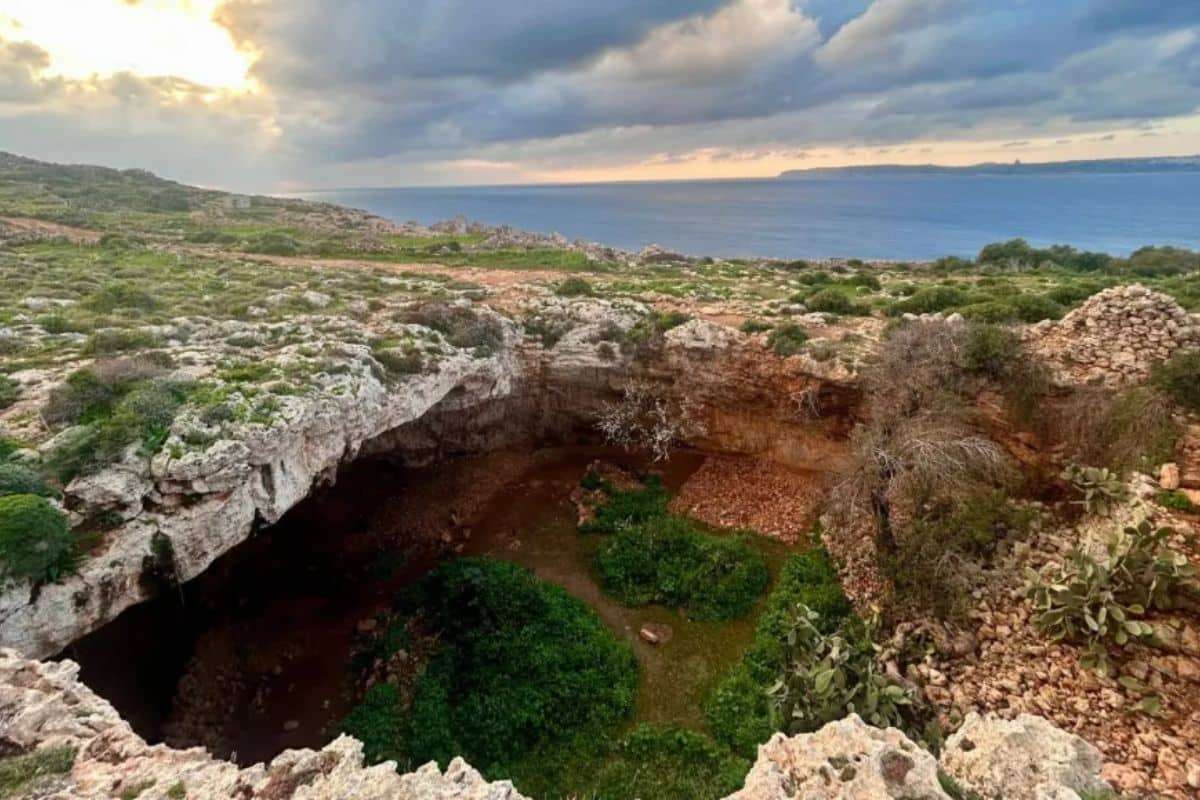
Recent findings from Malta indicate that Stone Age hunter-gatherers possessed advanced skills in crossing vast stretches of open sea, challenging prior assumptions about early human travel capabilities. These revelations highlight a sophisticated level of navigation across the Mediterranean Sea much earlier than previously documented.
Uncovering Malta’s Ancient Seafaring Past
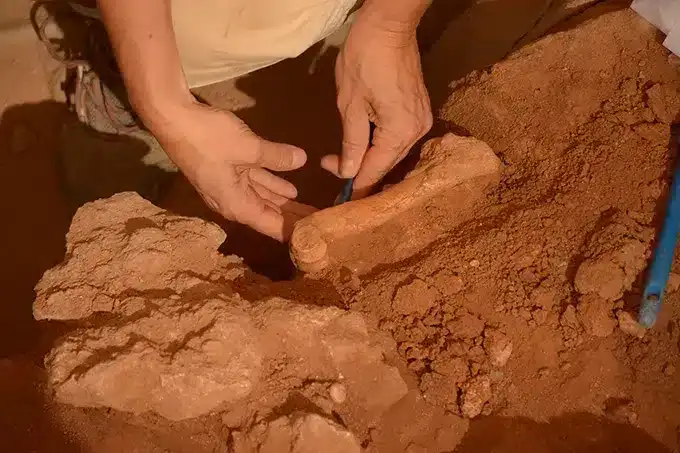
Researchers have discovered stone implements, animal remains, and various artifacts on Malta, pushing back human arrival on the island to approximately 8,500 years ago—a millennium earlier than former estimates.
This research, detailed in the journal Nature, implies that these early inhabitants undertook sea voyages spanning over 100 kilometers of open water. Eleanor Scerri, an archaeological scientist at the Max Planck Institute of Geoanthropology, commented, “We are uncovering a whole new chapter of Mediterranean crossings during the Mesolithic era that was previously unknown.”
Reevaluating Ancient Maritime Capabilities
The long-held belief that early hunter-gatherers lacked the means for deliberate, repeated ocean crossings is now being questioned. While earlier examples, such as human arrival in Australia over 40,000 years ago, were often regarded as rare or accidental events, the new evidence from Malta suggests a pattern of intentional seafaring.
Scerri notes, “Previously, it was thought there wasn’t a systematic movement across these waters.”

Ocean Currents Guided Early Voyagers
The study proposes that navigating from Sicily to Malta, roughly 85 kilometers apart, might not have followed a straightforward path. Instead, early sailors likely utilized a strong east-west ocean current for easier passage.
“The optimal crossing would be from an eastern entry point like the Gulf of Gela to harness the favorable current,” Scerri explains.
Crafting the Vessels of Ancient Seafarers
No boat remains have been discovered on Malta itself, but the researchers theorize that watercraft resembling canoes found in northern Italy—carved from single tree trunks—may have been used. These vessels, dating to about 7,000 years ago, offer insights into Stone Age maritime technology.
Science News describes these canoes as “each hollowed from a single trunk, with the largest reaching 11 meters, and designed for sea travel.” According to Scerri, “Mysterious holes in them might indicate primitive outrigger supports.”
Genetic Data Corroborates Seafaring Hypothesis
Complementing the archaeological discoveries, DNA analysis from an 8,000-year-old individual in Tunisia reveals European hunter-gatherer ancestry, lending support to the idea of extensive marine mobility among these populations. Scerri concludes, “It’s clear that hunter-gatherers were navigating the seas widely.”
Broader Significance for Mediterranean Human Migration
This research enhances our comprehension of prehistoric movement around the Mediterranean basin. Cyprian Broodbank, from the University of Cambridge, states the work “potentially confirms exchanges of people and technology across both sides of the Mediterranean earlier than previously documented.”
The findings also shed light on social reactions to shifting populations during the late Stone Age. Rowan McLaughlin of Maynooth University proposes that the arrival of Neolithic farmers may have prompted hunter-gatherers to relocate to islands such as Malta.
“This expansion is one of the most fundamentally transformative things that ever happened to Europe,” McLaughlin remarks.
- Categories:
- Evolution












0 comments
Sign in to Comment