
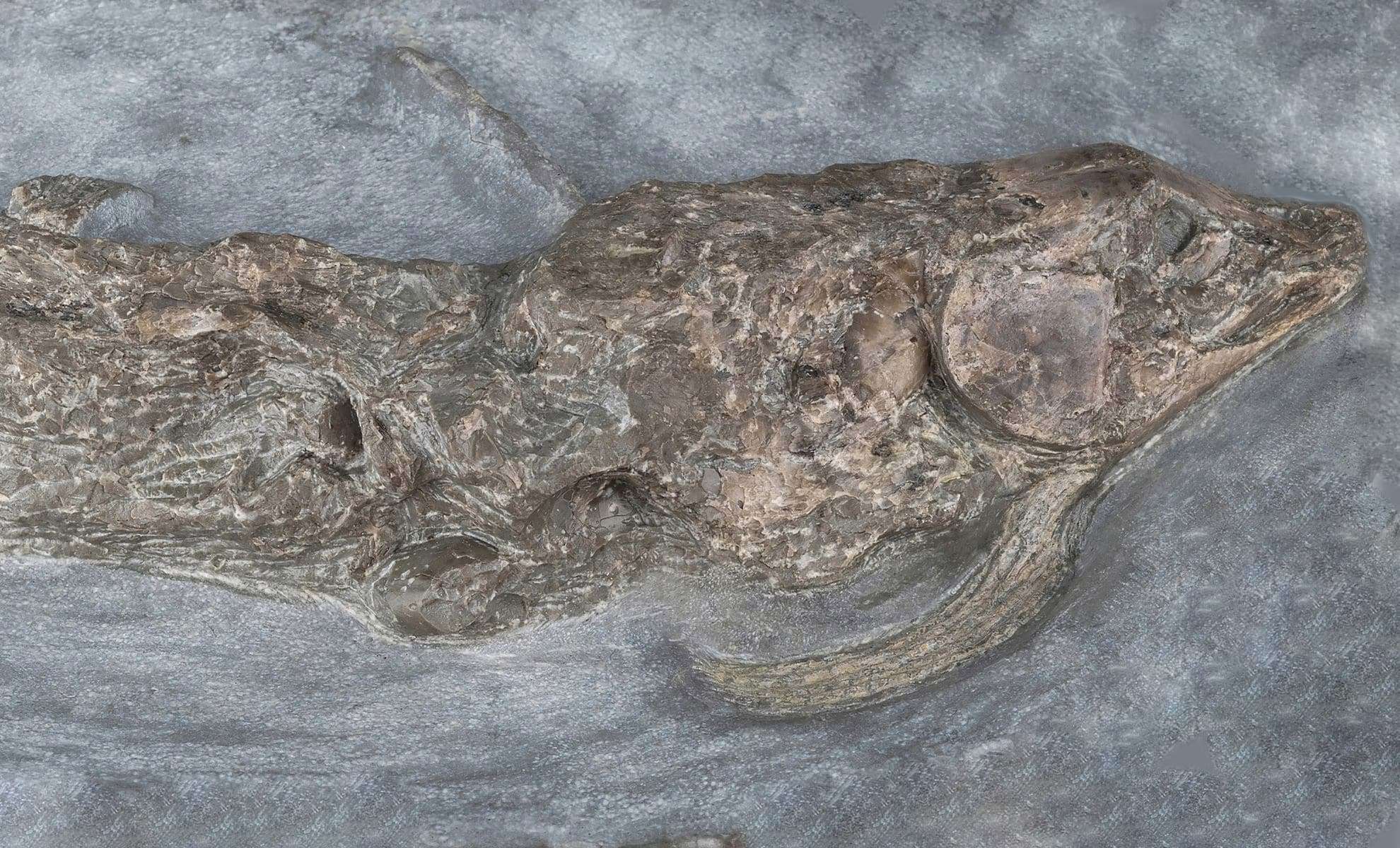
Scientists have identified a previously unknown species of coelacanth, a rare fish often labeled a ‘living fossil.’ This achievement was made possible through the application of the European Synchrotron Radiation Facility (ESRF) accelerator in Grenoble, France, which enabled highly precise fossil examination.
Revolutionizing Fossil Examination Techniques
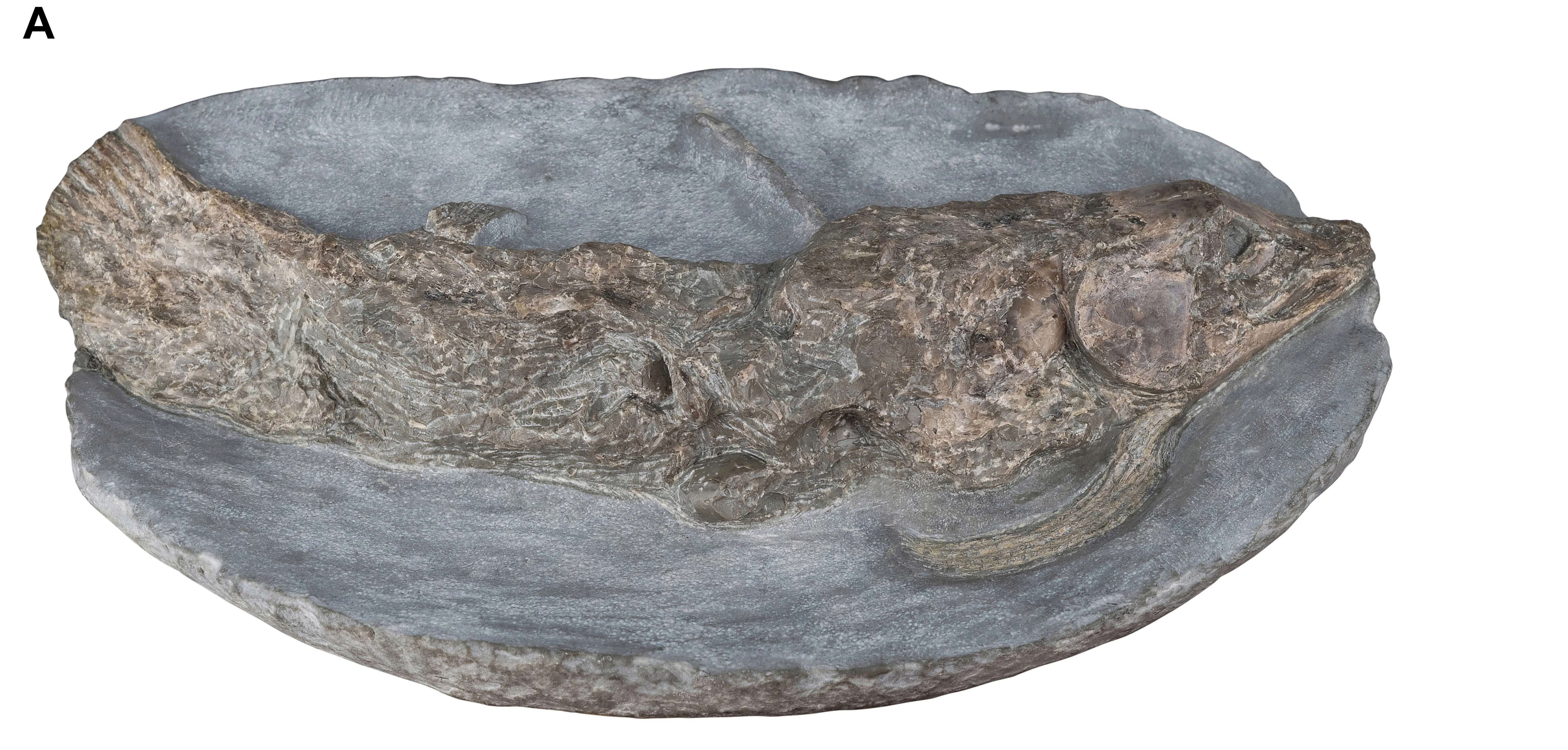
Coelacanths are deep-ocean dwellers that have existed for more than 400 million years, with only two species still alive today. Their minimal evolutionary change has earned them the nickname “living fossils.” The fossil samples analyzed in this investigation were recovered from clay nodules dating back to the Middle Triassic near Saverne in the Lorraine region of France.
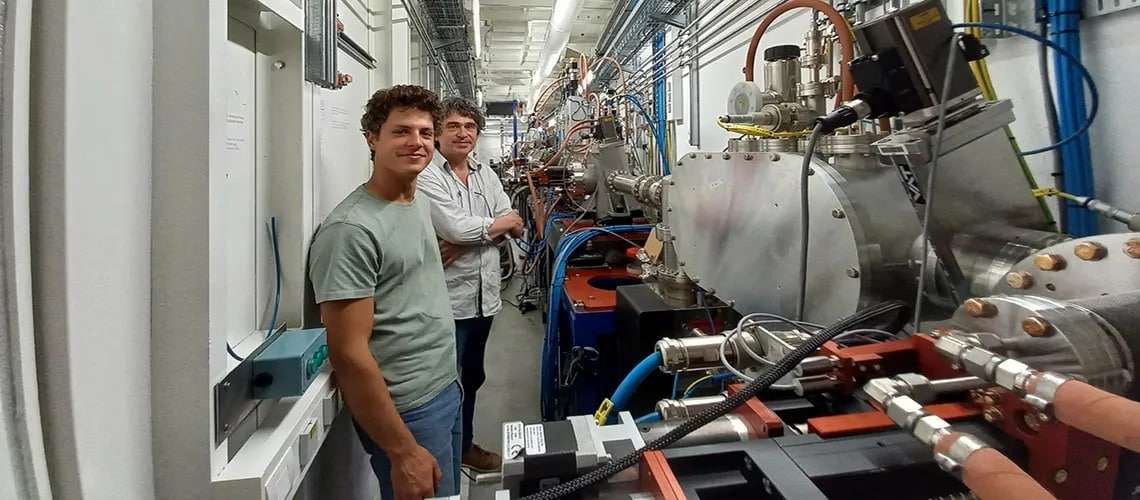
These fossils underwent detailed scrutiny utilizing the ESRF synchrotron in Grenoble, capable of generating highly intricate 3D images of specimens encased in rock, offering uncoverable insights through standard fossil extraction methods.

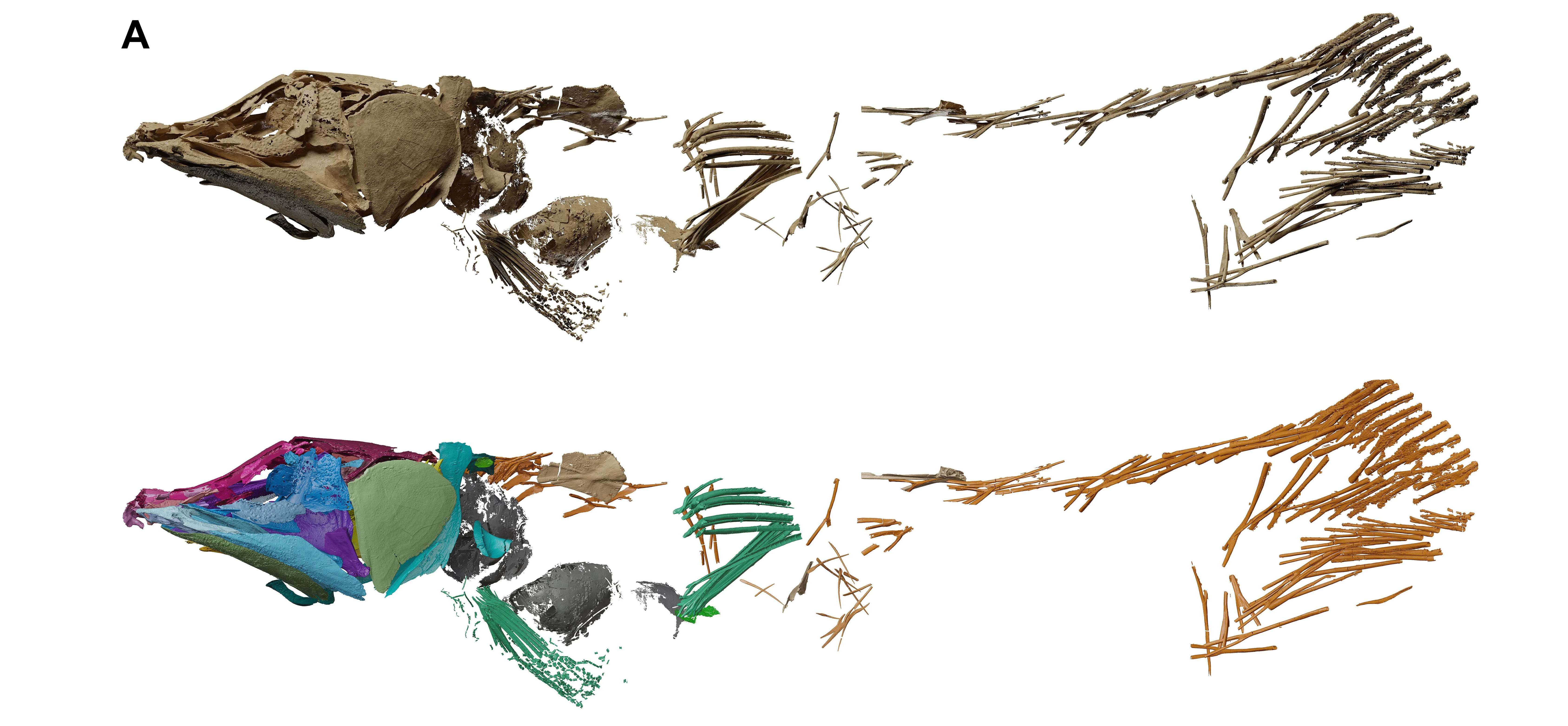
Employing synchrotron technology, the team produced astonishingly detailed visuals of the fossils embedded within the clay. This allowed for the reconstruction of the skeletons with exceptional accuracy. The synchrotron emits high-energy electron beam light that revealed delicate fossil features without physical disruption.
Exceptionally Preserved Fossils
The fossils, approximately 240 million years old, displayed outstanding preservation, revealing bone structures previously unobserved. Utilizing synchrotron light—high-energy radiation from the particle accelerator—the researchers virtually “unwrapped” the fossils from their rocky encasement. This process, called “virtual fossil preparation,” produced detailed 3D models of the bones for comprehensive analysis.
The team identified this new coelacanth species as Graulia branchiodonta. The genus name “Graulia” alludes to the Graoully, a legendary dragon in Lorraine folklore, while “branchiodonta” highlights the fish’s prominent teeth near its gills. This discovery is valuable for both its age and the level of preservation, providing fresh perspectives on the anatomy and habits of these ancient fish.
Insights Into a Distinctive and Energetic Fish
The newly described Graulia branchiodonta boasts intriguing traits. Juvenile specimens displayed well-developed sensory canals, suggesting these fish may have been far more active and agile than present-day coelacanth relatives like Latimeria, which are known for slow movements. This may reflect different ecological roles or behaviors, shedding light on their extinct lifestyles.
Another notable attribute is the species’ sizeable gas bladder, currently under further examination. This organ might have been used for buoyancy control, breathing, or perhaps even auditory functions. Its precise role is still uncertain, but ongoing research aims to clarify this unique adaptation.
Advancing Paleontology with Particle Accelerator Technology
Particle accelerators such as the ESRF in Grenoble present new frontiers for paleontological investigation. Synchrotron imaging delivers unmatched resolution, exposing intricate anatomical characteristics that were previously hidden.
Researchers from the Geneva Natural History Museum (MHNG), alongside the University of Geneva (UNIGE) and the Senckenberg Research Institute in Frankfurt, Germany, continue to explore Triassic coelacanth fossils. Their work aims to better understand the coelacanths’ evolutionary journey and adaptation during periods of major environmental shifts.
Luigi Manuelli, a UNIGE researcher and co-author, states, “These results allow us to reconstruct the skeleton of these fish with a level of detail never before achieved for this type of fossil.” Along with paleontologist Lionel Cavin from MHNG, their advances mark a major step forward in paleontological imaging.
Published in PlosOne, the study has the potential to transform our understanding of ancient ocean biodiversity and deepen insights into vertebrate evolutionary history. As more fossils emerge, advanced technologies like synchrotron radiation promise to reveal further secrets from Earth's distant past.






0 comments
Sign in to Comment