
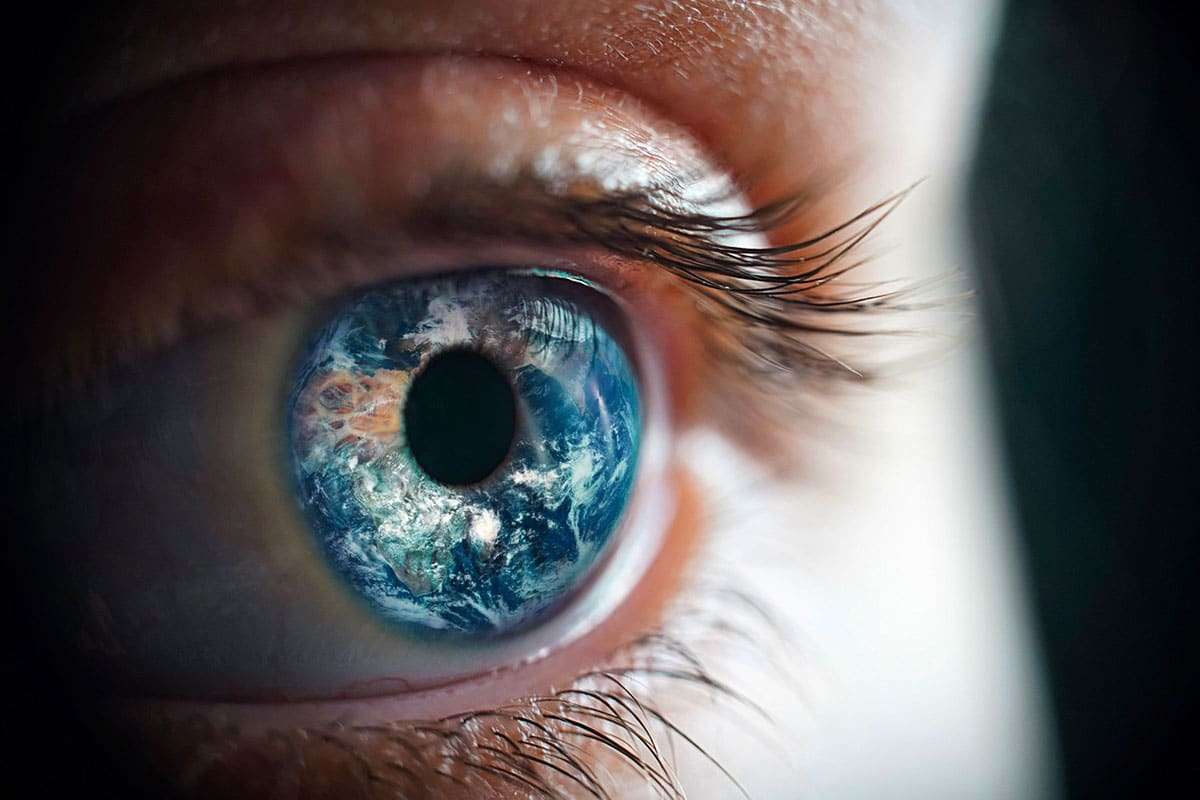
While many animals exhibit cultural behaviors, human culture is uniquely marked by its remarkable flexibility and influence. Anthropologist Morgan argues that the defining human trait is openness—the capability to foresee and orchestrate extensive possible courses of action. This mental faculty empowers people to:
- Construct intricate, multi-layered plans to reach objectives
- Modify and improve these plans as circumstances change
- Combine existing knowledge in inventive ways
- Generate entirely new ideas and breakthroughs
Such openness fosters ongoing invention and creativity. Take preparing a meal, for example; it involves:
- Collecting all needed tools
- Following a precise sequence to mix ingredients
- Cooking while carefully observing heat and texture
- Tailoring the process to satisfy the preferences of those eating
Each phase demands adaptability and sometimes trial-and-error to perfect the outcome. This ability to manage complex, adjustable sequences highlights the cognitive sophistication unique to humans.

Cumulative Culture: Surpassing Natural Limits
One hallmark of human culture is its limitless capacity to accumulate knowledge. While various animals display forms of cultural inheritance, their practices rarely evolve extensively. For example, chimpanzees' use of tools remains relatively constant over time, and while humpback whales tweak their songs, they rarely introduce dramatic innovations across generations.
Human culture, conversely, not only evolves but continually enhances itself. We constantly reinterpret, adapt, and fuse prior knowledge to foster discoveries and technologies. From inventing the wheel to developing advanced transportation, or from taming fire to harnessing electricity and renewable energy, our ancestors laid foundations that keep expanding. Has human evolution stopped? Certainly not—we have created civilizations built on a scaffold of ever-growing accumulation.
This boundless imagination keeps pushing our species further, unlike animal cultures that typically reach evolutionary plateaus. Humanity’s culture forms a self-reinforcing cycle where each generation builds upon and surpasses the last.
Shared Heritage: Cultural Transmission Among Animals
Previously, it was believed that only humans could pass knowledge across generations. Yet, studies reveal that other animals also share cultural learning. For instance:
Leaf-cutter ants offer a remarkable example. Rather than consuming leaves directly, they use them as substrate for fungus cultivated within their nests. This fungus produces nutrients vital to their diet. When a new queen founds a colony, she carries a section of this fungus—in a specialized pouch in her mouth or mandibles—to initiate the fungal culture at her new home.
Insights into Human Nature and Future Pathways
This emerging theory about human cultural openness enhances our grasp of what makes us unique. Beyond simply replicating and tweaking behavior, humans imagine original scenarios and endlessly expand possible outcomes. This might explain our achievements in building civilizations, languages, religions, and sciences.
This openness is likely linked to brain architecture, especially the prefrontal cortex responsible for planning, making decisions, and handling complex reasoning. Researchers agree that this region underpins our sequence-based thinking and long-range goal setting.
Unlocking this key human trait may deepen understanding of cultural progression and prompt new questions about our trajectory ahead. How will our culture evolve alongside AI, robotics, and novel technologies? Exploring this openness may also inspire efforts to develop adaptive systems that emulate human cognitive flexibility.
As we delve further into humanity’s cultural journey, it’s worth contemplating when clothing became part of our heritage—a cultural milestone that distinguishes us sharply from other species. Our global dominance is an unfolding story propelled by unmatched creativity, adaptation, and imagination.
- Categories:
- Evolution




0 comments
Sign in to Comment