

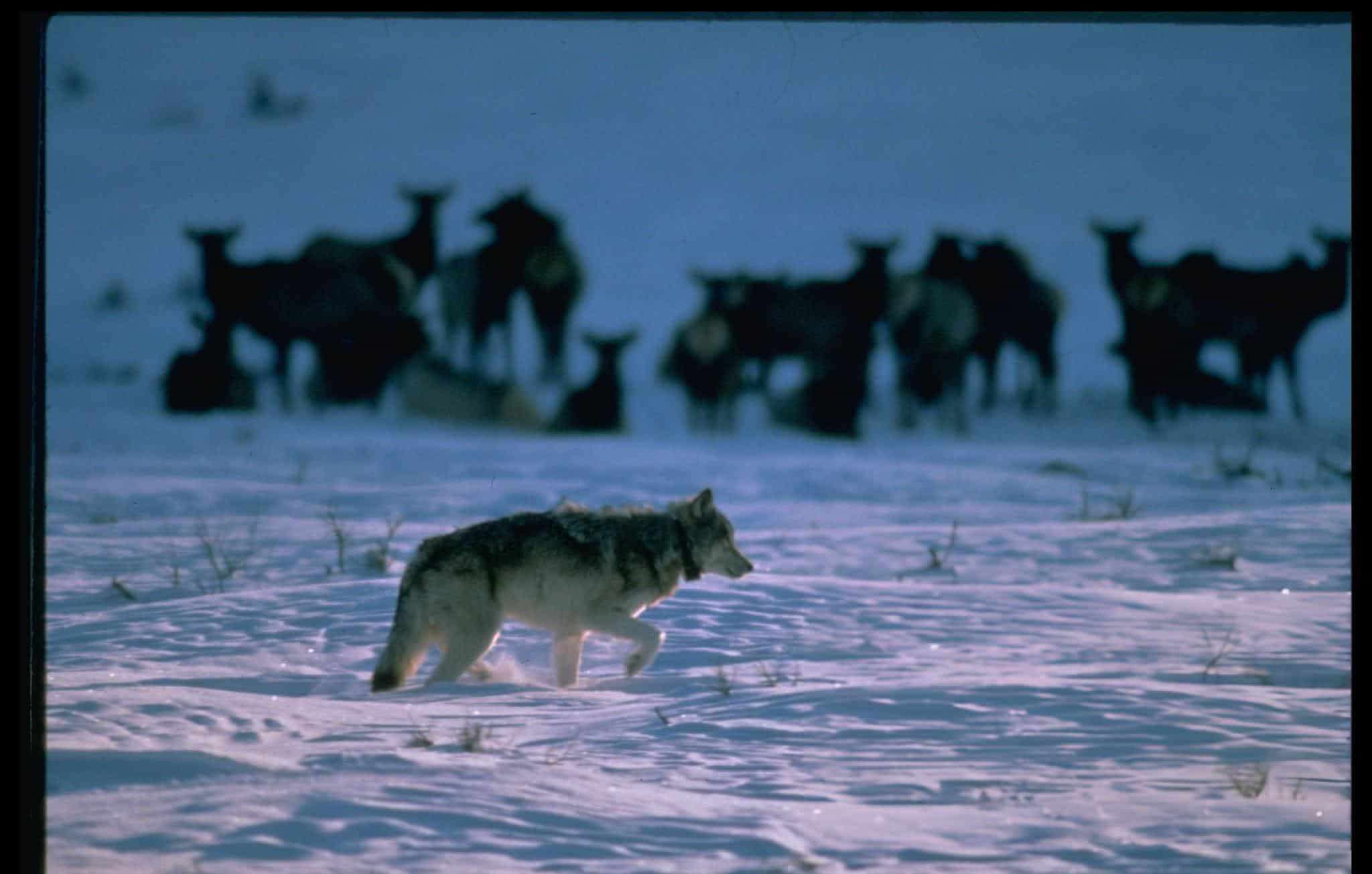
Scientists have verified the presence of a gray wolf pack within Lassen Volcanic National Park in Northern California, marking a groundbreaking milestone for wildlife restoration. Once eradicated from the region, gray wolves faced near extinction in California by the 1920s. This newly located pack, which is actively breeding, signals a pivotal step in the species’ comeback across the state.
First Established Wolf Pack in Over 100 Years Found in Lassen
For the first time in more than a century, researchers have documented a full gray wolf pack thriving in Lassen Volcanic National Park. Confirmed in October 2024, this group consists of two breeding adults and a minimum of two pups. While lone wolves have sporadically been observed in Northern California over recent years, this represents the first official evidence of a breeding pack living and reproducing within the park itself.
The group has not yet been assigned an official name, but conservationists are celebrating this discovery. California Wolf Watch announced this update on their Facebook page, noting that this pack is one of twelve confirmed in California.

Ecological Importance of the Wolf’s Return
The reappearance of gray wolves is crucial not only for the species but also for restoring balance within the ecosystem. As dominant apex hunters, wolves control populations of other animals such as coyotes, which have adversely affected native wildlife including the Sierra Nevada Red Fox. By curbing coyote numbers, gray wolves may help increase the survival chances of these rare foxes, found only in isolated parts of the park and neighboring Oregon.
Though welcomed by many conservation advocates, some local farmers and community members have expressed concerns about wolves preying on livestock like chickens, illustrating challenges in balancing wildlife recovery with agricultural interests.
Guidance on Staying Safe Around Wildlife in National Parks
The National Park Service (NPS) stresses the importance of maintaining proper distance when observing wolves and other wild animals. Visitors should adhere to these NPS safety recommendations:
- Keep at least 100 yards (91 meters) away from wolves and bears
- Maintain a minimum distance of 25 yards (23 meters) from other wildlife including bison, elk, and mountain lions
- Remain inside your vehicle when watching wildlife, especially large predators such as wolves
- Avoid approaching or feeding wild animals to prevent risky encounters
- Should you come across wildlife unexpectedly, stay calm and move slowly to allow animals space to retreat
Viewing wildlife safely is best done from within a vehicle. Several dangerous incidents in recent years have underscored the risks of getting too close, some resulting in tragic outcomes.
Wolves’ Return: A Positive Outlook for Conservation Efforts
Discovering a breeding gray wolf pack in Lassen Volcanic National Park brings renewed optimism for the species’ recovery in California. Restoring these apex predators to their historical ranges is an important part of broader ecological efforts, benefitting biodiversity and ecosystem resilience on a larger scale.
- Categories:
- Nature















0 comments
Sign in to Comment