
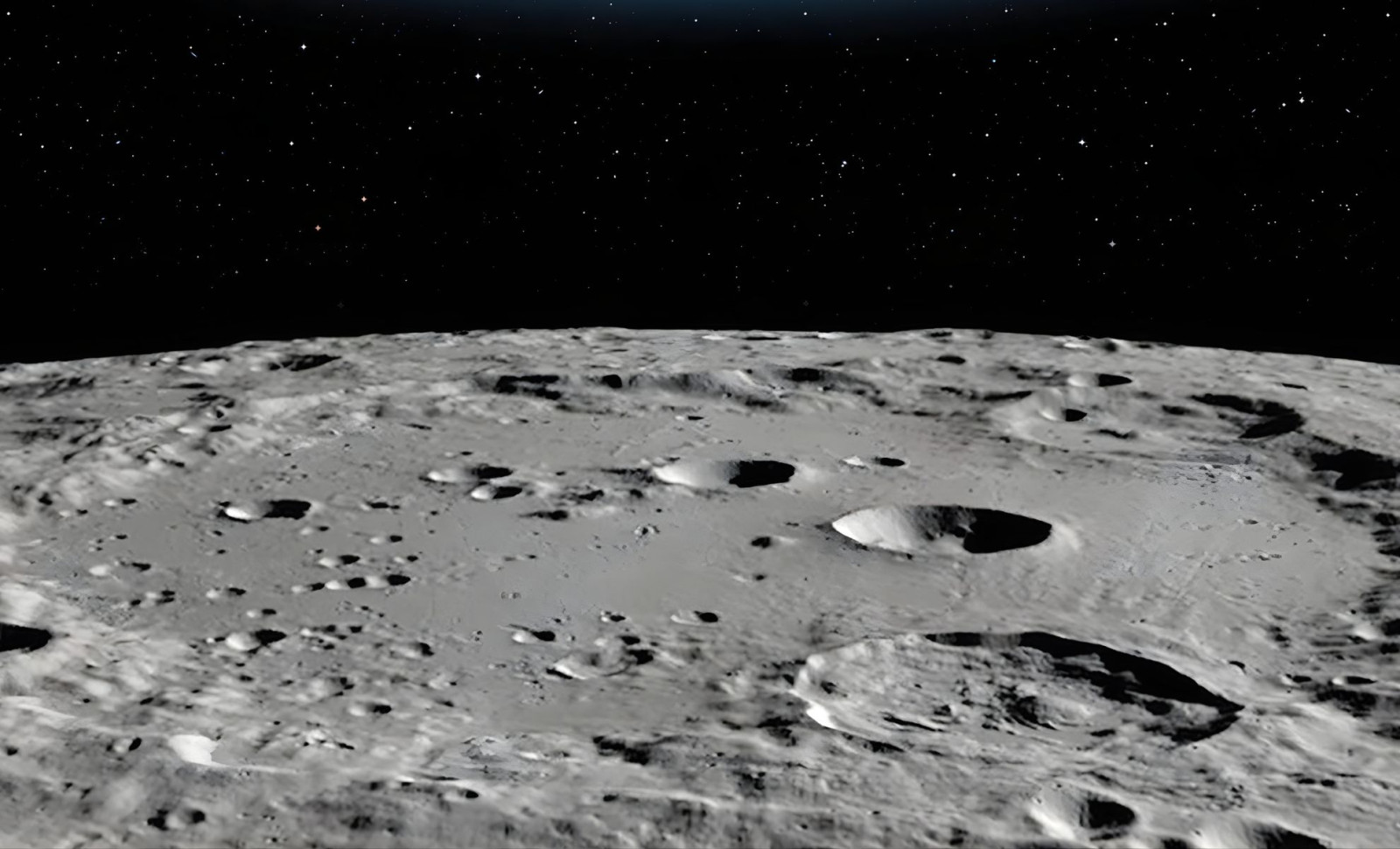
For more than sixty years, the precise whereabouts of the Soviet Luna 9 spacecraft, which achieved the first successful soft landing on the Moon, have remained a mystery. Thanks to advancements in artificial intelligence, researchers are now nearing a solution. A research team led by Lewis Pinault from University College London has implemented a machine learning algorithm to identify multiple possible landing locations, potentially paving the way for a breakthrough in 2026.
In 1966, Luna 9 marked a historic milestone as the first spacecraft to achieve a soft landing on the lunar surface and send images back to Earth. Despite this monumental feat, the original landing coordinates were not exact, and subsequent searches using detailed lunar photos failed to locate the spacecraft. Now, AI could provide the key to unraveling this long-standing enigma.
Luna 9: Pioneering Lunar Touchdown
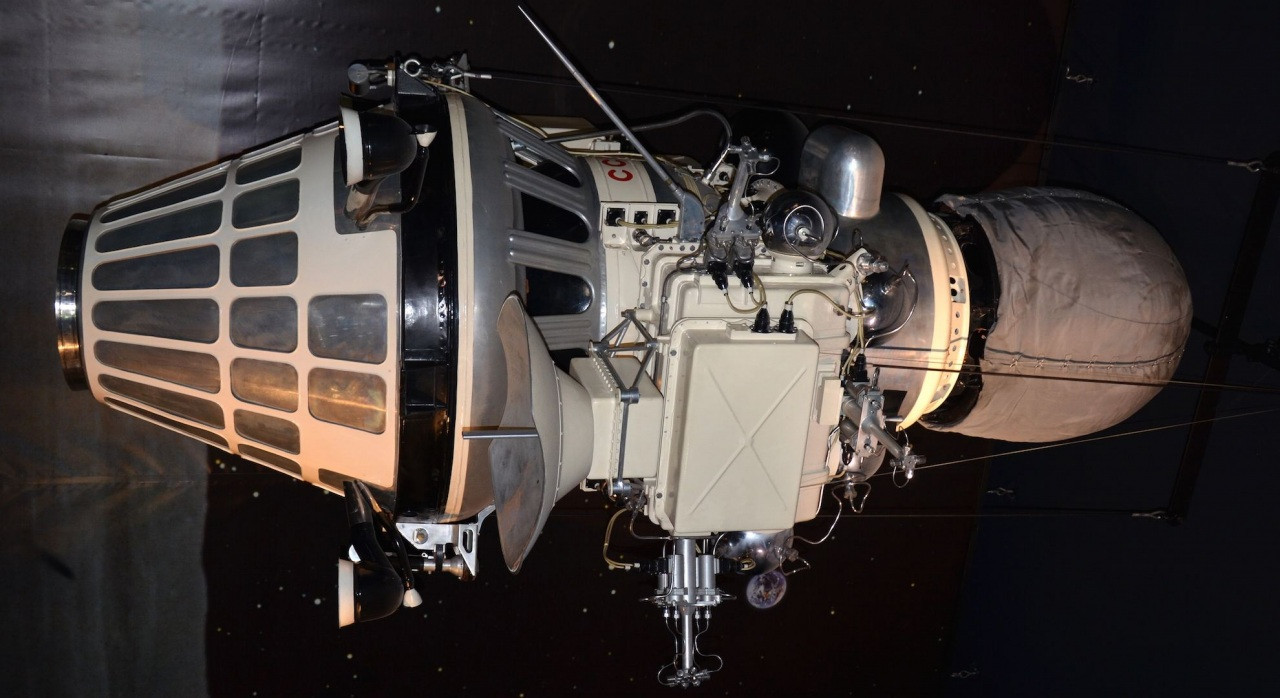
Luna 9 stands as a major achievement in space history. The mission deployed a 58-cm diameter, 100-kg spherical lander equipped with inflatable cushions to soften the impact. Upon touchdown, it bounced several times before settling with the help of four petal-like panels. Although it remained operational for just three days, it transmitted essential data including the first photographs ever taken from the Moon’s surface, laying critical groundwork for future human space missions.

Following its successful landing, Luna 9’s position was reported in Pravda, the Soviet Union’s official publication. However, the accuracy of these coordinates was later questioned. With the launch of NASA’s Lunar Reconnaissance Orbiter (LROC) in 2009, equipped with high-resolution imaging, lunar researchers expected to settle the debate. Nonetheless, the location details from the 1960s proved to be off by as much as tens of kilometers.
Harnessing AI to Rediscover Luna 9’s Resting Place
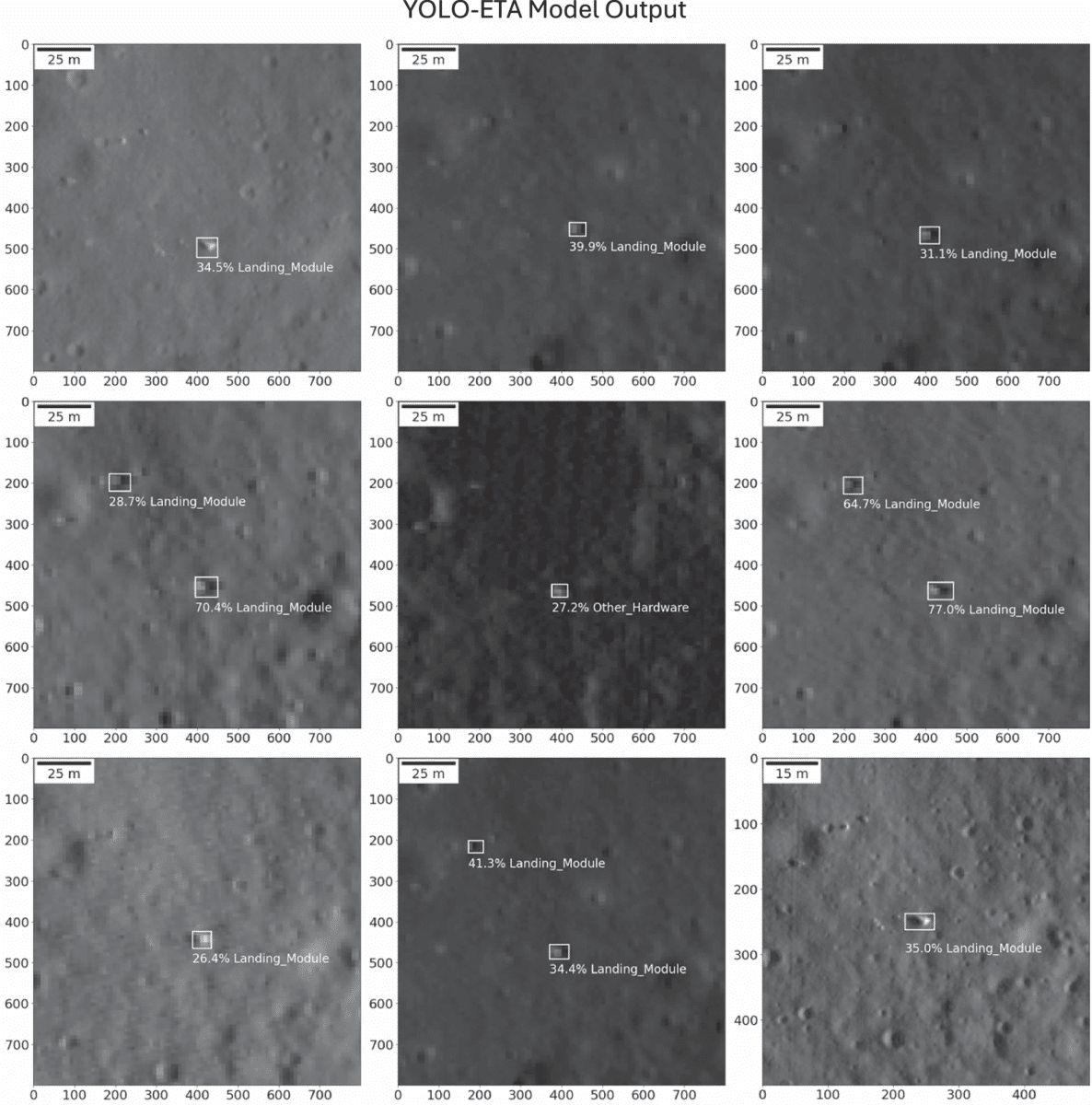
To track down Luna 9, scientists have employed cutting-edge artificial intelligence techniques. Their findings, published in npj Space Exploration, describe a machine-learning model designed to detect delicate lunar surface features left by spacecraft. Called YOLO-ETA (You-Only-Look-Once–Extraterrestrial Artifact), this algorithm was trained on images from Apollo mission landing sites, allowing it to recognize telltale signs of lander impacts.
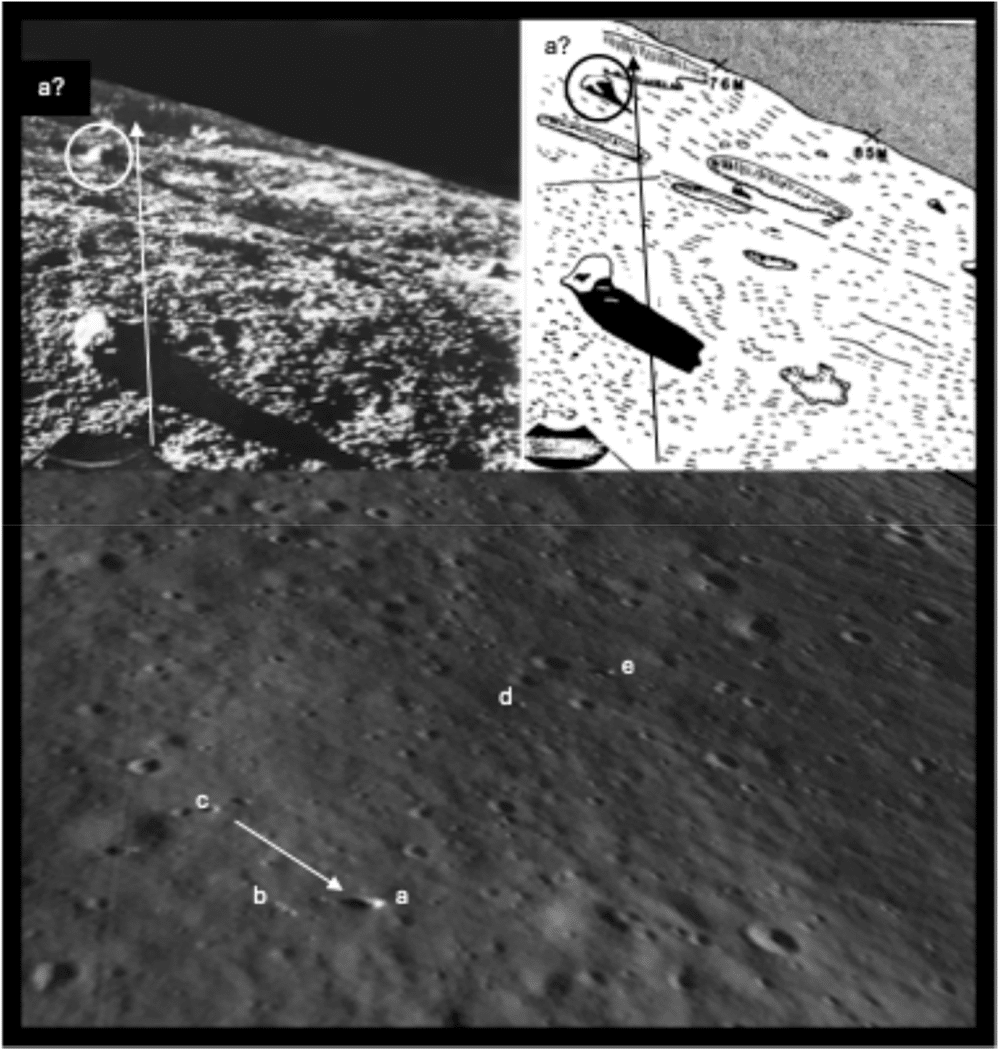
YOLO-ETA’s effectiveness was validated using images from the 1970 Luna 16 probe, which had a confirmed lunar touchdown. The algorithm successfully identified those known landing spots with impressive precision. Encouraged by these results, the team applied the software to a 5 × 5 km region near the original Luna 9 coordinates, uncovering several sites exhibiting surface disruptions consistent with artificial landings.
Chandrayaan-2 Takes Center Stage in 2026
The next pivotal step is set for March 2026, when India’s Chandrayaan-2 orbiter will survey the candidate area. The orbiter’s advanced imaging instruments are expected to be crucial for confirming the potential Luna 9 landing sites proposed by the AI analysis.
Should Chandrayaan-2’s data validate these AI-driven predictions, it may finally solve the six-decade-old mystery surrounding Luna 9’s location. This development would not only reveal the long-lost spacecraft but also highlight the transformative role AI plays in modern lunar exploration.
- Categories:
- Science







0 comments
Sign in to Comment