
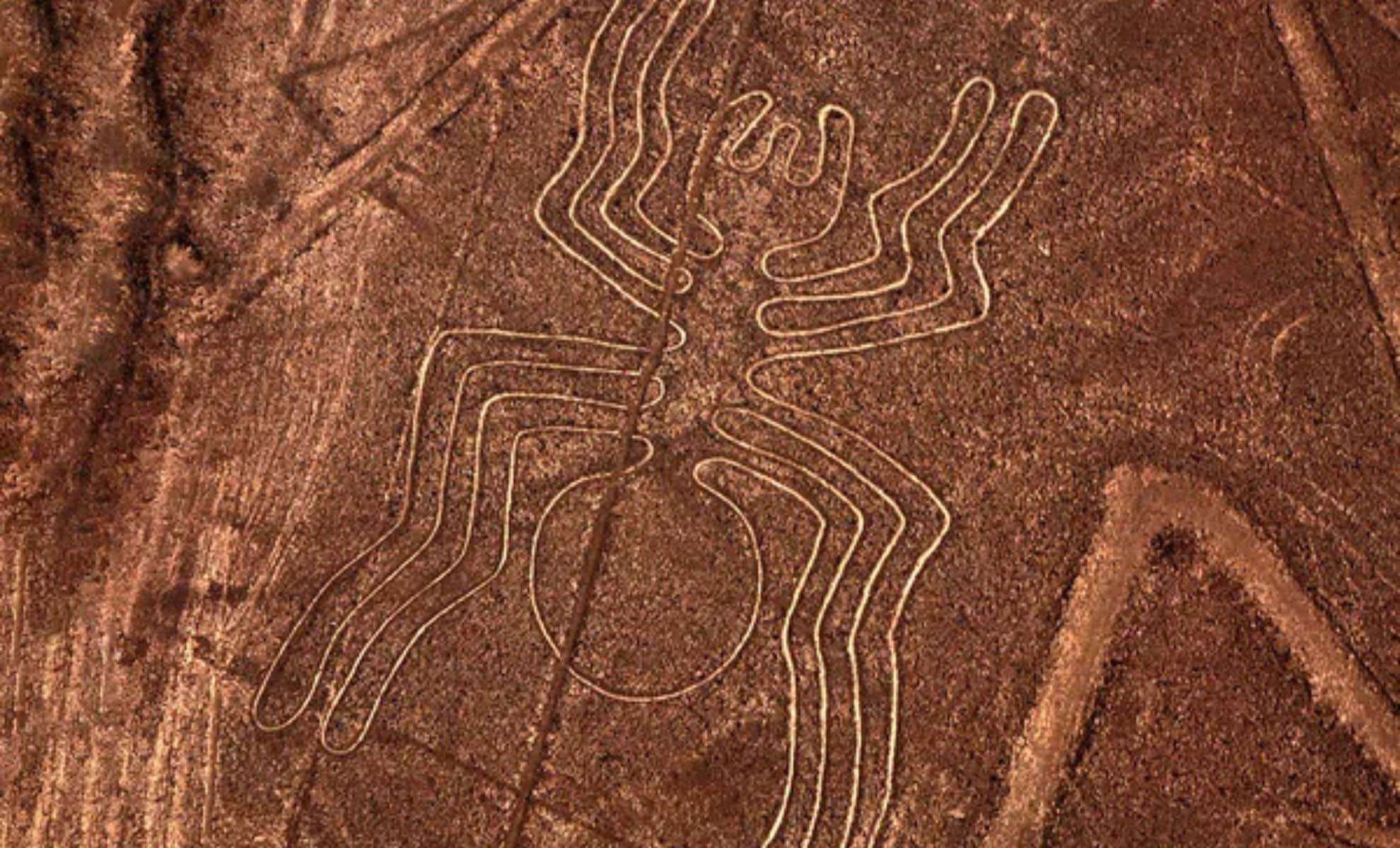
For more than 100 years, the mysterious Nazca Lines etched into Peru’s desert landscape have baffled experts. Crafted by the Nazca culture between 200 BC and 650 AD, these gigantic ground artworks depict various animals, plants, and tools spread across extensive arid terrain. Their full significance has long remained elusive, particularly since many designs are only visible from above.
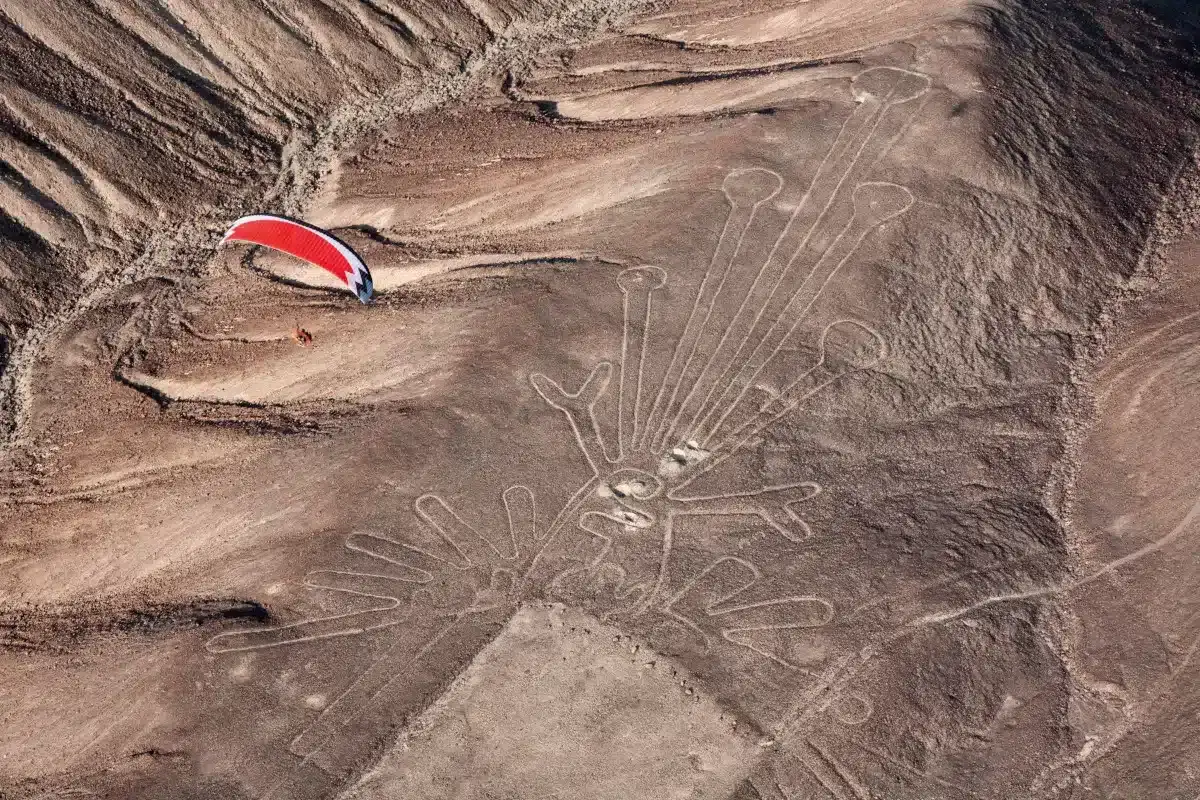
Recently, a groundbreaking alliance between archaeologists and artificial intelligence (AI) uncovered 303 previously unknown geoglyphs in just six months—doubling the previously known count. Enabled by AI’s capabilities, this remarkable find sheds new light on the enigmatic purpose of these formations, settling longstanding debates. According to Science Focus, this advance represents a monumental step towards resolving one of archaeology’s major mysteries.
Harnessing AI to Decode Ancient Landscapes
Teams including Prof. Masato Sakai at Yamagata University’s Institute of Nazca in Peru joined forces with IBM researchers to train AI systems to scan vast aerial photography datasets, revealing subtle geoglyphs missed by traditional methods. This technique dramatically sped up surveys, which once required extensive time and manpower. As noted by Sakai, “The short timeframe for completing this survey was only achievable through AI assistance.”

Beyond unearthing new geoglyphs, AI is revolutionizing the field by detecting intricate patterns invisible to humans, enabling more efficient and precise archaeological mapping. This technology is already being applied globally to locate and analyze diverse sites, including ancient burial mounds and historic shipwrecks.
Transforming Our View of Past Civilizations
The Nazca Lines are among the earliest cases where AI has directly enhanced archaeological discovery. Created by removing surface soil to uncover lighter material below, the lines demonstrate the creators’ sophisticated grasp of geometry and proportions.
German mathematician and astronomer Maria Reiche devoted years to studying the lines, marveling at their “perfect” symmetry. Today, AI has uncovered many more, revealing fresh clues about their symbolism and practical roles.
Traditional archaeological tools like detailed ground surveys and manual mapping have been surpassed by digital innovations. Dr. João Fonte, an archaeologist with ERA Arqueologia, emphasizes that “archaeology leads the way in adopting cutting-edge digital methodologies.”
Techniques such as photogrammetry and remote sensing complement AI, enabling faster and more accurate exploration of extensive archaeological sites.
Fresh Clues on the Nazca Lines’ Spiritual Significance
The AI-derived findings offer new understanding of how the Nazca Lines were used. Sakai’s group proposes that many of the recently identified geoglyphs were part of ceremonial pathways, facilitating ritualistic journeys where participants connected with nature and the divine. AI has confirmed that the lines served not just as artistic feats, but as profound cultural and religious symbols.
With its capacity to sift through enormous amounts of data, AI uncovers geoglyphs otherwise invisible, illuminating the Nazca’s spatial planning skills and their astronomical knowledge in greater detail.
AI’s Expanding Role in Archaeology’s Future
While AI’s impact on the Nazca Lines research is groundbreaking, the technology holds even broader promise. Dr. Alexandra Karamitrou, a specialist in AI applications at the University of Southampton, is designing tools to help archaeologists detect an even wider range of ancient ruins.
Her research shows AI can interpret complex relationships between archaeological features and environmental factors like water proximity or elevation, enriching our understanding of ancient settlement choices.
AI’s reach extends beyond geoglyphs; in 2023, scientists in the United Arab Emirates used AI to analyze satellite imagery from the Saruq Al Hadid copper-smelting site dating back to 1270-800 BC. The technology guided artifact mapping and excavation priorities, while AI’s future use may include uncovering submerged shipwrecks, hidden towns, and assessing climate threats to heritage sites.
Challenges and Constraints of AI in Archaeology
Despite its advantages, AI is not without flaws. Sakai’s team had to carefully validate AI’s predictions, filtering many suggestions to confirm actual geoglyphs. Dr. Karamitrou notes, “AI still has limitations, especially in archaeology, but advancements may soon deliver highly reliable algorithms that save substantial time and resources.”
As AI evolves, its growing accuracy is expected to accelerate archaeological investigations worldwide, enabling faster identification of sites and revealing new secrets of human history.
- Categories:
- News











0 comments
Sign in to Comment