
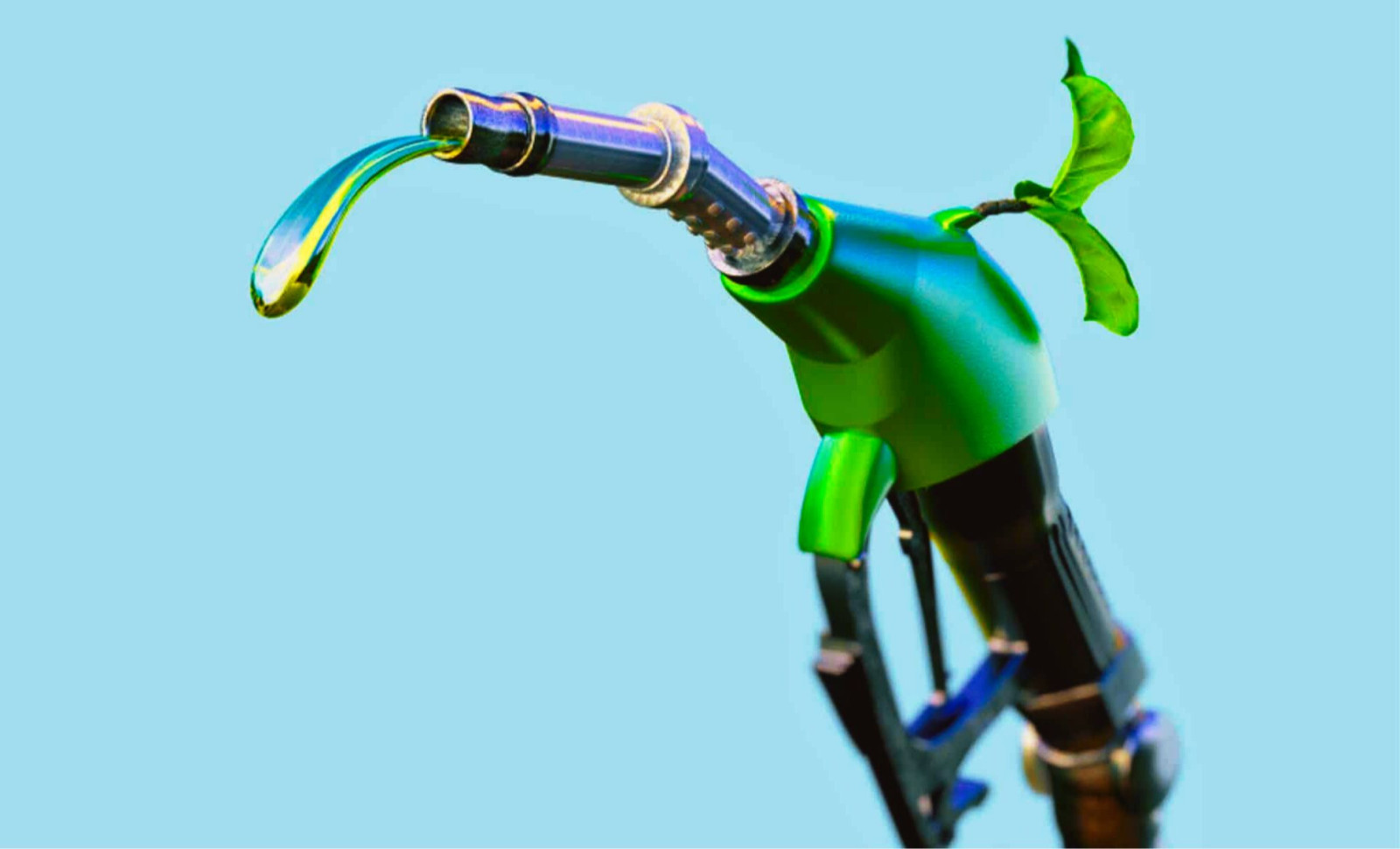
For years, the quest for sustainable energy has balanced between reducing carbon emissions and maintaining practicality. Often, achieving one means compromising the other. Electric vehicles cut down pollution, but their limited driving range and infrastructure challenges can deter widespread adoption beyond optimal settings.
Moreover, large-scale shifts take time to unfold, especially when the existing global system supports billions of vehicles and massive fuel infrastructure. Fossil fuels, despite their environmental drawbacks, remain deeply intertwined with essential transportation and emergency power frameworks.
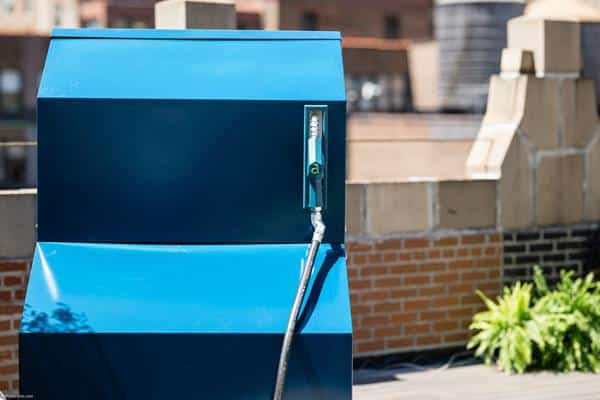
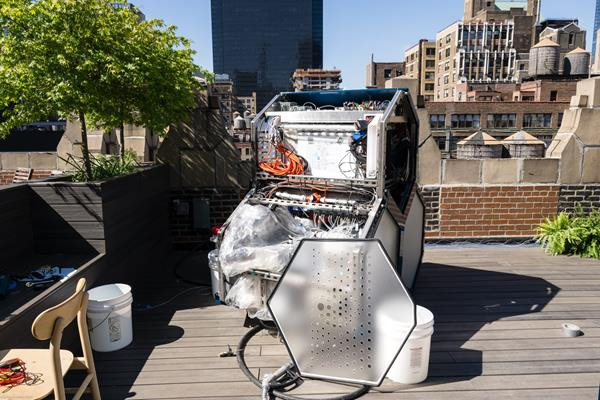
Last spring, a compact device appeared on a Manhattan rooftop, generating gasoline directly from atmospheric components, sparking intrigue rather than widespread attention. While it resembled a fancy gadget more than a disruptive invention, its potential could be transformative.

Compact Fuel Production Using Air, Water, and Clean Energy
The startup Aircela, established in New York in 2019, has developed technology that integrates direct air capture of CO₂ with on-demand fuel generation. By harnessing ambient carbon dioxide, hydrogen derived from water, and renewable electrical power, their system creates liquid gasoline compatible with existing combustion engines.
This is not just a concept but a functioning prototype. At a May 2025 event in Manhattan’s Garment District, the machine demonstrated its capability to produce usable petrol in real time, capturing CO₂ from air and synthesizing it with hydrogen through a process akin to Fischer-Tropsch synthesis, yet optimized for a small scale.
The gasoline crafted by this approach contains no sulfur or ethanol and requires no engine modifications or new refueling infrastructure. Chemically indistinguishable from traditional gasoline, it offers a straightforward replacement.
Initially, the technology is expected to serve use cases like remote off-grid sites, isolated locations, and industrial zones where transporting fuel is challenging or carbon-intensive. While pricing and efficiency details remain undisclosed, Aircela describes the system as a modular, decentralized solution.
This model contrasts with large centralized e-fuel facilities demanding hefty capital and complex logistics. Aircela envisions producing clean fuels locally, bypassing the need for pipelines, tankers, or refineries.
Investors and Industry Support Reflect Emergent Interest
Backed by an alliance of environmental investors and established industry leaders, Aircela counts among its supporters Maersk Growth, raising hopes for decarbonizing maritime shipping. Early investors also include Chris Larsen, co-founder of Ripple Labs, and Jeff Ubben, an ExxonMobil board member noted for his commitment to sustainable energy.
“Our investment in Aircela stems from their pioneering fuel production technique combining direct air capture with low-emission fuels,” stated Morten Bo Christiansen, head of energy transition at Maersk. “Seeing a functional prototype marks a significant leap forward.”
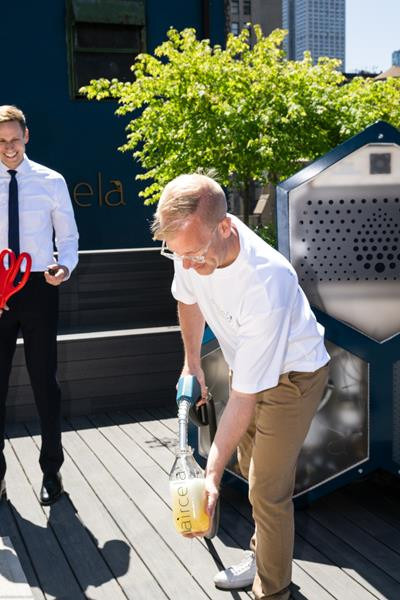
The launch event featured New York officials, including Councilmember Erik Bottcher and Energy Chairman Richard Kauffman. Aircela anticipates initial commercial rollout before the year concludes.
Interest in synthetic fuels is rising, especially in sectors where electrification is challenging. Industries like aviation, shipping, and heavy manufacturing continue to seek fuels combining high energy density with compatibility with current infrastructure.
Europe leads the way with established policies like the Fit for 55 climate package, which permits synthetic fuels to aid aviation emissions targets. The United States lacks comparable frameworks; its incentives largely favor electric vehicle adoption.
Emissions, Energy Demands, and Ongoing Questions
While branded as carbon-neutral gasoline, the environmental benefits of Aircela’s fuel rely heavily on operational conditions. When powered by wind or solar energy and using green hydrogen, the net carbon impact could near zero. If the energy inputs come from fossil sources, emission reductions would be diminished.
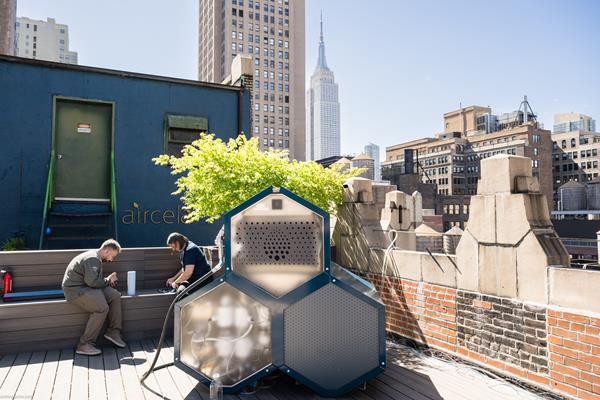
No independent verification of fuel efficiency, production capacity, or cost has been disclosed yet. Demonstrations prove concept viability but don’t confirm scalability.
Synthetic fuel creation demands substantial energy. According to the International Energy Agency, hydrogen electrolysis alone requires about 50–55 kWh per kilogram. Adding CO₂ capture and synthesis processes elevates energy consumption further, limiting practicality in regions lacking cheap renewable power.
Nonetheless, localized production offers resilience benefits, especially for disaster relief, military installations, or isolated populations. Whether synthetic gasoline can outperform diesel generators or long-range batteries depends on deployment costs and reliability.
Bridge Fuel Compatible with Today’s Vehicles
With over 1.4 billion combustion-engine vehicles worldwide, according to the International Energy Agency, converting entirely to electric mobility will require considerable time, investment, and coordinated policies that vary globally.
Aircela’s method meets a practical need by producing fuel compatible with current engines, circumventing hurdles like charging infrastructure, hardware upgrades, or user retraining. It offers a simple tank refill.
While not a permanent solution to fossil fuel dependence, this technology might serve as an interim alternative. Innovations that cut emissions without radical changes to behavior or industry could help bridge the gap during energy transitions on a national or global scale.
- Categories:
- News











0 comments
Sign in to Comment