
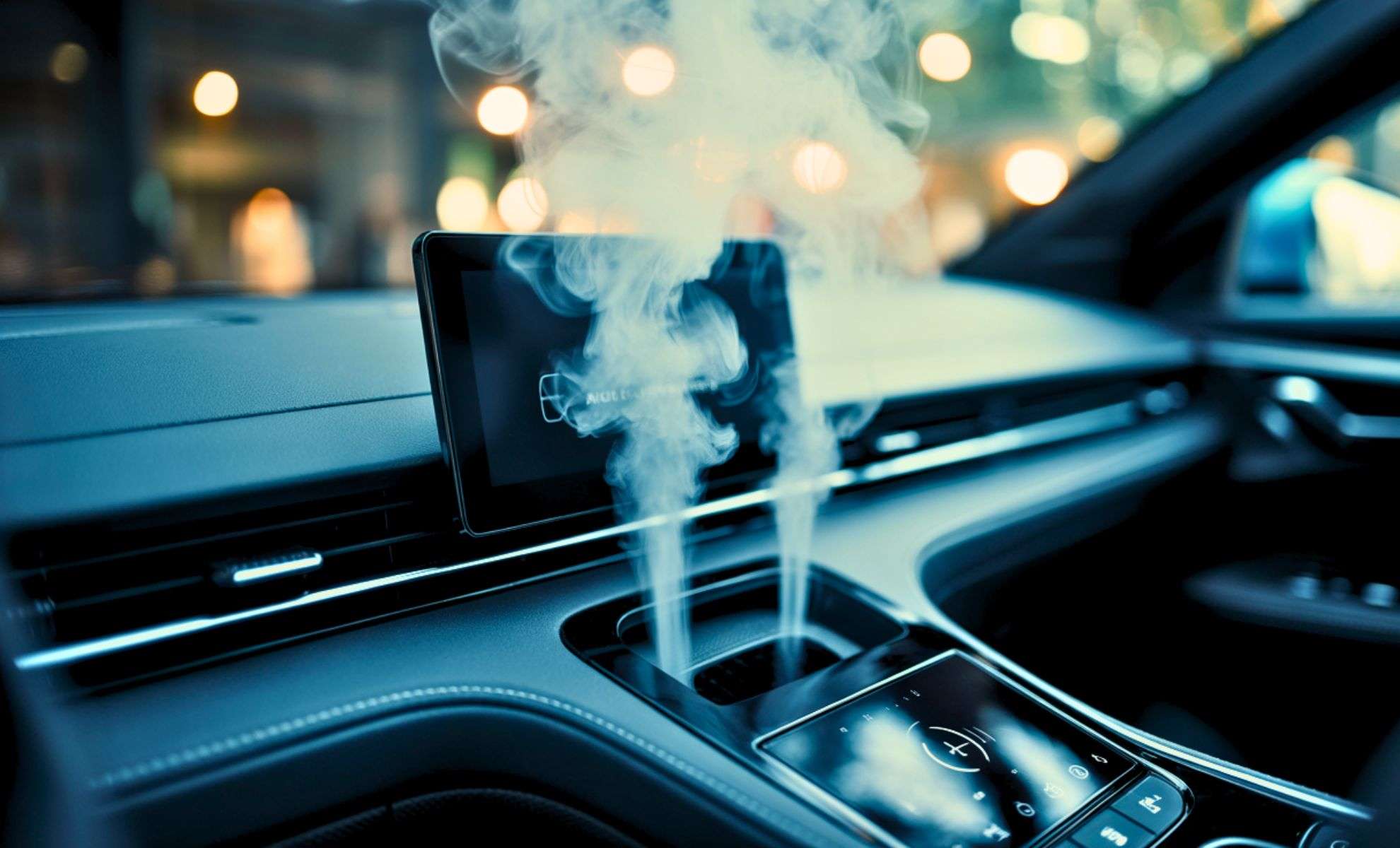
This fall, Kia’s Finnish distributor introduced gasoline-scented air fresheners as a unique gift for new electric car purchasers. While playful in nature, the initiative acknowledges a deeper emotional hurdle: moving to electric vehicles involves more than just technology—it’s also about managing nostalgia.
The limited-edition fragrance, designed as a tiny red jerrycan, replicates the familiar odors of motor oil and heated metal, evoking the ambiance of a bustling garage. Though absent from typical feature lists, this creative addition candidly addresses a commonly neglected aspect of EV marketing: the emotional void left by abandoning traditional engines.
A Scent to Soothe the Soul’s Range Anxiety
The project, spearheaded by Astara Auto Finland, debuted alongside the Kia EV4 model, providing drivers with a tangible and sensory connection to the past. The fragrance was carefully crafted by Finland’s sole professional perfumer, Max Perttula, who blended notes of motor oil, birch tar, galbanum, and jasmine to pay homage to the driving culture.

In a conversation with Tyyliniekka, Perttula described his painstaking process, including recreating a garage environment to develop the scent. It’s not simply a joke; it’s an intricate aroma crafted to evoke a specific kind of nostalgia that frequently goes unaddressed in EV adoption efforts.
The Instagram reel from Kia Finland embraces this feeling, calling the air freshener a “remedy for combustion withdrawal.” Humorous yet poignant, the clip resonated widely, revealing an honest truth: for many, parting with the scent of gasoline is an emotional challenge beyond just stopping its use.
Balancing Innovation with Emotional Resistance
Though electric vehicle sales continue growing in Europe, adoption varies significantly regionally. In Finland, EVs represent close to 11.5% of all cars, supplemented by a notable share of plug-in hybrids. However, fully electric models account for under 5%, according to mid-2025 figures from Statistics Finland. The gap isn’t just about infrastructure limitations—it stems largely from emotional barriers.
A 2023 analysis from the European Transport and Environment Federation found that strong sentimental ties to combustion engines reduced EV interest by 37%, even when incentives and charging stations were widely available.
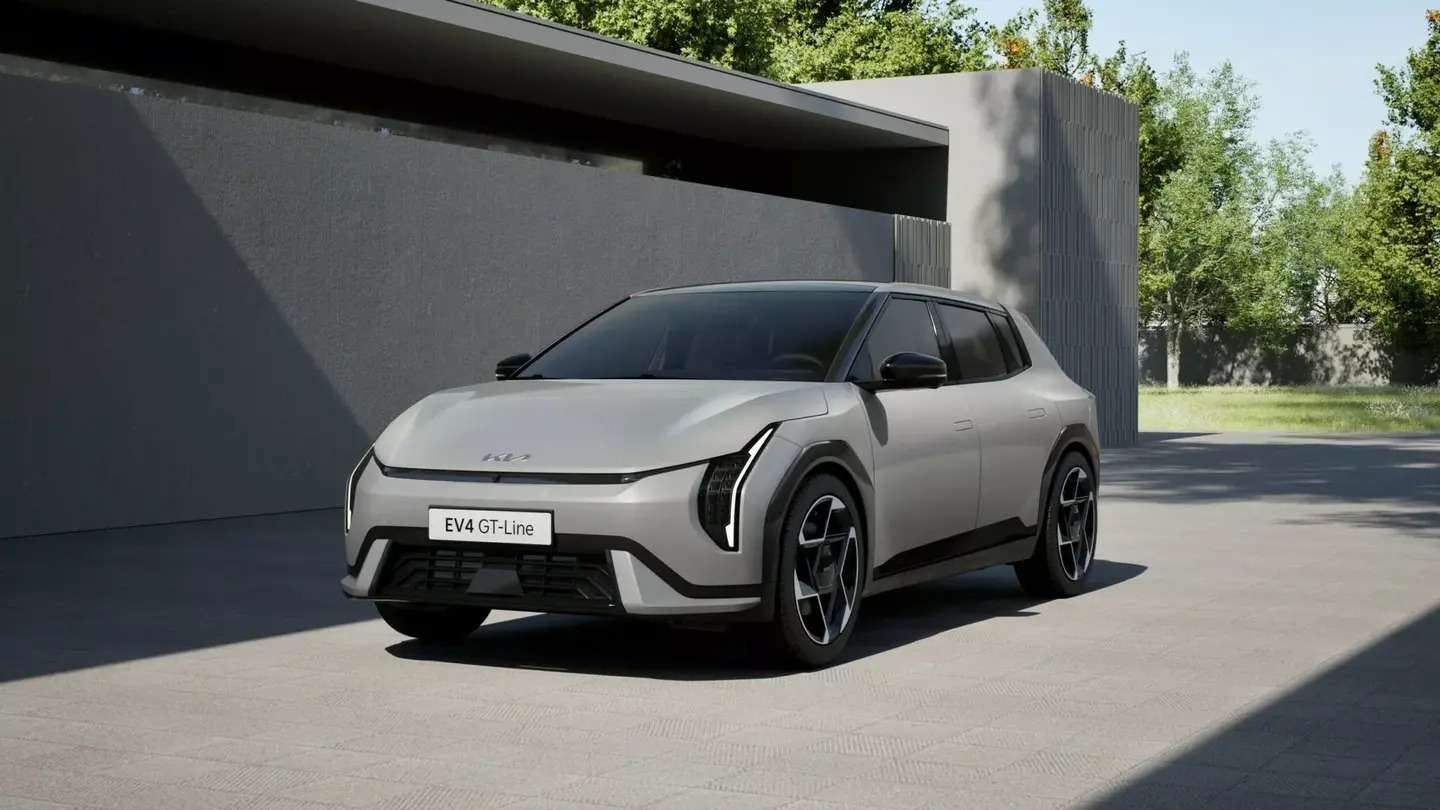
The campaign doesn’t claim to erase that challenge but openly recognizes it. As Klaus Pohjala, Kia Finland’s commercial director, noted, “Moving on from combustion can feel like losing a part of your identity.” The scent serves as a comforting connection—acknowledging that missing the old days is natural.
A Link Between Scent and Driver Identity
Research shows that smells trigger powerful emotions and memories. A 2020 study from the University of Toronto revealed that olfactory stimuli evoke more vivid personal memories than sights or sounds, particularly for individuals over 40, a demographic slower to adopt EVs. For those familiar with carbureted engines and oil-streaked garages, the smell of gasoline remains intertwined with their sense of self as drivers.
According to Automotive News, Kia’s approach isn’t merely a publicity stunt—it’s a thoughtful acknowledgment of the emotional side of electrification. By recognizing the unseen yearnings for combustion, Kia embraces change without dismissing the past.
This trend isn’t unique to Kia; other automakers like Ford and Porsche are exploring similar emotional innovations, including artificial engine sounds and tactile gear-shift feedback, designed to preserve familiar driving sensations within electrified vehicles.
Reimagining the Emotional Landscape of EV Adoption
Available exclusively to buyers of the EV4 GT-Line in Finland, the gasoline-scented air freshener wasn’t mass-marketed, but its cultural impact is unmistakable. It sends the message that shifting to EVs involves more than physical upgrades—it requires rethinking a deeply personal connection to driving.
With EVs representing 34% of new car sales in Finland this year, manufacturers increasingly recognize that emotional support is just as critical as charging infrastructure.
Research from Aalto University supports this perspective, revealing that for many middle-aged and older drivers, the main challenge to EV adoption isn’t price or battery life but the perceived threat to their identity. For those who view driving as an extension of who they are, the change is especially difficult.
- Categories:
- News










0 comments
Sign in to Comment